Article retraction is a significant issue in the world of research, occurring when a research article is officially withdrawn after publication due to serious errors, misinformation, plagiarism, or fraud. Typically, this happens when research findings are proven wrong or there is a violation of ethics. The retraction process emphasizes the importance of integrity among researchers and prompts caution in future research. In this article, Azizul Haque discusses some key aspects of this subject. By reading this article, you will gain the necessary knowledge for the future and be able to properly shape your own research and academic goals.
What is Article Retraction?
Article withdrawal or retraction is an important and sensitive topic in academia. Article retraction refers to the official cancellation or removal of a published research article by journal authorities. Generally, an article is retracted when it is found to contain serious errors, misinformation, plagiarism, or fraudulent or deceptive behavior (such as fake peer reviews). Through this process, the article in question is no longer considered valid or credible. According to a statistic from Nature, the number of retracted research articles exceeded 10,000 in 2023. Over the past two decades, the highest rates of retraction were observed in Saudi Arabia, Pakistan, Russia, and China. Almost all retractions in 2023 came from journals owned by Hindawi, a London-based subsidiary of the publisher Wiley. So far this year, Hindawi journals have retracted more than 8,000 articles. The main reasons cited for these retractions were that the “peer-review process was compromised” and “systematic manipulation of the publication and peer-review process.”
Reasons for Article Retraction:
The two main reasons for article retraction are — honest intentions and dishonest intentions. When a researcher conducts a study with honest intentions but ends up with incorrect results or conclusions, they themselves may decide to retract the article. Such retraction is generally termed “voluntary withdrawal,” which is viewed positively in the academic world and demonstrates the researcher’s integrity. On the other hand, if evidence of dishonesty is found in the research—such as presenting false data, plagiarism, publishing under someone else’s name, attempting to submit the same article multiple times, or ethical violations—the journal’s editorial board may decide to retract the article. In such cases, there can be serious consequences for the researcher’s career, funding, and future prospects.
Impact of Article Retraction:
The retraction of an article does not only affect the researcher or the specific research; rather, its indirect impact can be even deeper. Researchers who have relied on that article as reliable information for their own work or for medical purposes may also find their work at risk. If new research is conducted based on a retracted article, there is a greater chance that those findings may also be incorrect. Especially when it comes to references or citations, it is extremely important to avoid citing retracted articles. Relying on incorrect information can lead to further confusion in future research. Therefore, researchers should exercise caution regarding retracted articles. Article retraction does not just shake a specific study, but can also unsettle the entire field, challenging the associated knowledge and trust. This can lead to a crisis of confidence and a waste of additional time and resources in new research.
The Article Retraction Process:
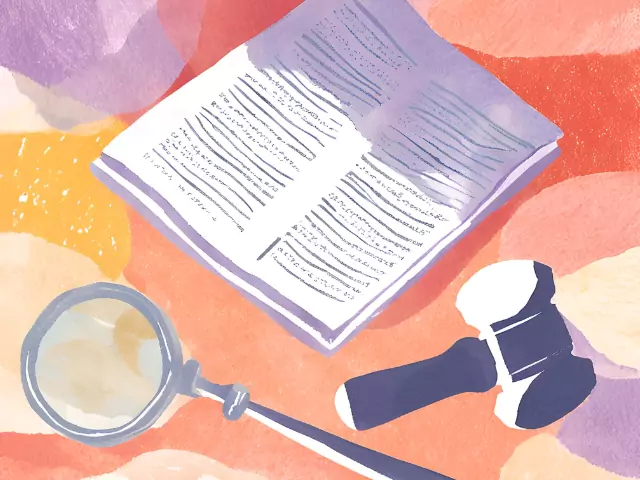
Article retraction is a highly sensitive and important process in the research world, usually undertaken when a publication is found to have serious errors, data fabrication, ethical violations, or other irreparable faults. This process typically involves multiple steps. First, the authors are notified via email that issues have been identified with their article. In some cases, the authors themselves discover the errors and notify the journal editor by email. After this, the editorial board formally sends a retraction request to the authors, detailing the flaws in the article. Alternatively, the authors may themselves formally request retraction from the editorial board. Large publishers like Elsevier, Springer, or Wiley generally publish a ‘Retraction Notice,’ which is linked to the original article. Although the original article remains available online, it is clearly marked as “Retracted,” and the HTML version is often removed. In this way, the retracted article is explicitly identified so readers can easily recognize that the article’s information and results are no longer considered valid. This process helps keep the research community vigilant and plays a vital role in maintaining the quality of scientific publication. It emphasizes transparency and integrity in research, and serves as a warning for future researchers.
On behalf of Biggani.org, we sincerely thank Azizul Haque for his inspiring and constructive discussion. His message will provide young researchers with a new perspective on the importance of scientific thinking, creativity, and perseverance. This valuable message will help them build a sustainable and successful scientific career, as well as enrich future research fields.