Before entering the world of research, young people need to prepare in areas such as formulating questions, literature review, research design, data collection, analysis, ethics, and writing—this article discusses those first steps.
Every year, thousands of young men and women in Bangladesh step into the world of research. Some are starting their Masters’ theses, while others are preparing themselves to fulfill their dreams of higher education abroad. However, many do not know where the real beginning of research lies. It is not just a laboratory or a library—research truly begins within our own thinking, our preparedness, and our capabilities.
The first thing needed is a question. Research is essentially the art of asking questions. Without a good question, good research cannot happen. For young researchers, this often proves challenging, as university curricula rarely provide training on crafting questions. Yet, research is fundamentally a quest for new knowledge. That’s why we need curiosity—the kind that spots gaps within existing knowledge. The question might be minor, regional, or focused on a local problem—but even so, it can be the starting point for world-class research.
Once the question is found, it’s time to dive into the trove of literature. Understanding what kinds of research have already been done on a topic, who has written what, which arguments have succeeded, and where limitations remain—this is called literature review. Many students find this process tedious, as it involves reading many articles, taking notes, and becoming familiar with previous researchers’ thoughts. But in reality, this is one of the most important steps in research. If we do not learn from past mistakes, we end up repeating them. At the same time, new creativity is born on the foundation of prior successes.
After developing the research question and reviewing the literature, it’s time for research design. This acts like a roadmap, guiding our path. Will we collect data from people? Or will we generate new data through experiments? Or perhaps analyze existing data to offer new insights? These decisions form the blueprint of the research. Here, it’s important to understand the difference between quantitative and qualitative research. Numerical data reveals one kind of truth, while human experience, description, and stories reveal another. A good researcher knows which method to use and when.
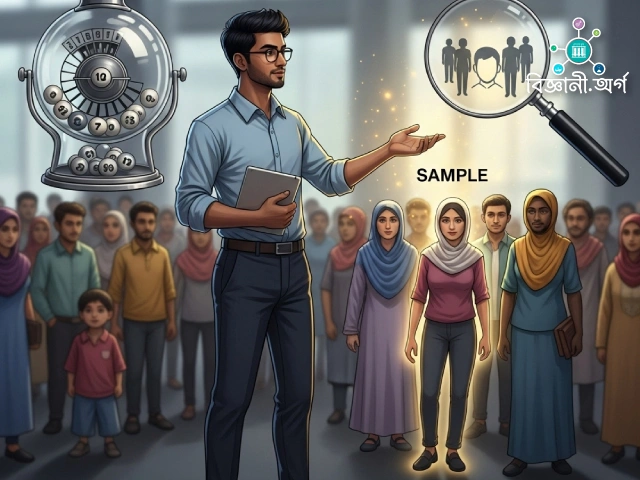
Now let’s come to data collection. This could involve surveys, interviews, observations, or complicated lab experiments. The first lesson in data collection is patience. Even gathering a small sample can take a long time. It’s not easy to get honest answers from people. In the lab, expected results may not appear as hoped. These setbacks are part of research. We shouldn’t fear them; rather, we learn from them.
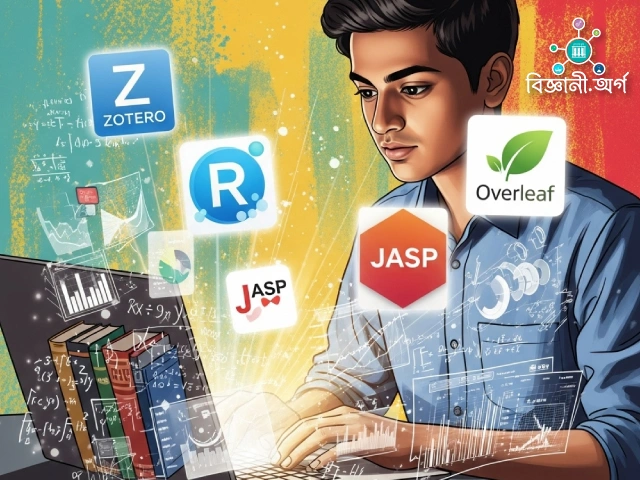
The analysis begins once we have the data. Nowadays, computer software greatly assists young researchers. Whether it’s statistics, graphs, or text analysis—digital tools can be used for everything. But before using technology, a solid foundation is needed; that is, how well our analysis aligns with the original research question. Data provides us evidence, but explaining that evidence is the researcher’s job.
Another important responsibility for young researchers is a commitment to ethics. Research means not just creating knowledge, but doing so responsibly. If we collect data from participants without consent, or fail to follow safety protocols in the lab, the research is not only unacceptable but can also be harmful. Across the world, numerous scandals have occurred due to ethical breaches in research. So from the very beginning, young researchers must prioritize ethics.
Another practical aspect of research is writing. No matter how well we collect data, if we cannot present it properly, its value greatly diminishes. Writing a thesis, crafting articles, or preparing submissions for journals—all require skill. This involves clear reasoning, an evidence-based approach, and the ability to communicate simply to readers. For Bangladeshi students, this is a challenge, as often writing is required in English. But with regular practice, reading quality research papers, and seeking advice from experienced mentors, it is possible to overcome this challenge.
Finally, it must be said that the path of research is by no means easy. It is long, tiring, and at times discouraging. But it is the only path that leads to true knowledge. Therefore, a young researcher must be mentally prepared from the start. Failures will come, results will be delayed, and often it may seem meaningless. Yet every step is gradually enriching the treasury of knowledge.
If the youth of Bangladesh carefully embrace these preparations for research, they can open new horizons not only for themselves but for the whole society. The development of our country should be based not only on economic statistics, but also on knowledge. And it is the young researchers who can create that knowledge, provided they begin their journey prepared from the start.