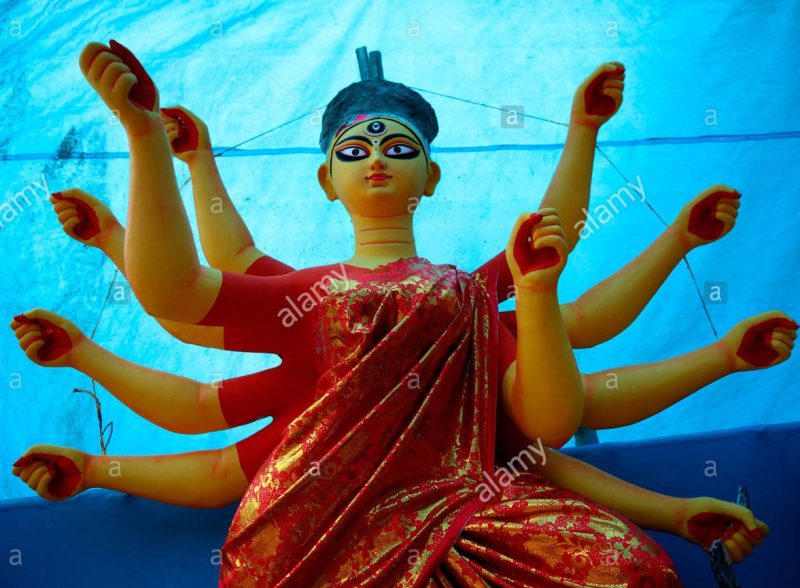
“Dashabhuja” means a woman with ten arms. We all know that Goddess Durga is known by this name. But a thought arises—can a woman with ten arms really exist? It is true that in the history of civilization, there has never been any record of a human being born with ten arms. But does this idea or imagination of a human with ten arms have any scientific basis? Absolutely! Let me explain in simple terms.
After the egg in the womb is fertilized by sperm, the fertilized egg goes through three main stages, gradually transforming until a baby is born. 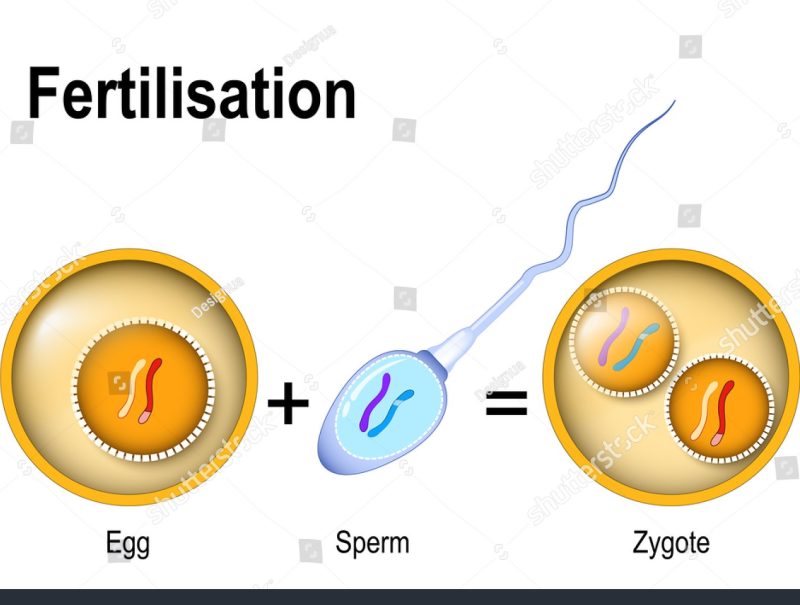
In the first week after fertilization, the egg is known as a “zygote.” From the second to the eighth week, it’s called the “embryo,” and after the eighth week, it is referred to as the “fetus.”
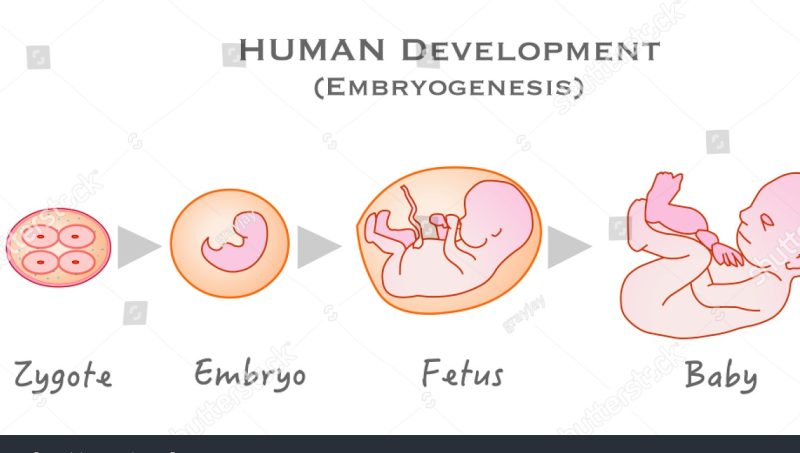
During the early “embryo” stage of the fertilized egg—about eight to twelve days after fertilization—the undeveloped baby’s organs start to form. In certain cases, just before the organs begin to develop, the fertilized egg splits into two or more parts. In this scenario, the segments of the egg continue to develop independently, with each part forming a complete baby with all organs. As a result, instead of one, multiple babies are born at the same time, whose gender and other external features are nearly identical. For example, if two such babies are born, they are called “identical twins”; similarly, if five are born, we call them “identical quintuplets.”
Although rare, sometimes the process of the fertilized egg splitting starts later—meaning that by the time the process begins, organ formation has already started. In such cases, the splitting stops midway, so the split sections continue developing while remaining partly attached to each other. This connection causes changes in the development of each section, sometimes interrupting normal development in one due to the other. Ultimately, when the babies are born, it astonishes everyone because multiple babies are born conjoined. These are called “conjoined babies.” The surprise deepens when, among the conjoined babies, some are not fully formed. In several cases of “conjoined babies,” only one baby is complete, and the others have underdeveloped bodies or heads—with only hands or legs having had the chance to form. Such children are called “asymmetric conjoined babies.”
Now, imagine if five such conjoined female babies were born, but only one was fully formed and the remaining four had only two arms each. The result would be—a girl with ten arms, or “Dashabhuja,” whom, in scientific terms, we could call “asymmetric conjoined quintuplets.”