Writer: Dr. Mashiur Rahman
From Stories of Science to a Sustainable Future
Throughout human history, science has been far more than a means of discovering new knowledge. It has been one of the most powerful forces for improving health, protecting the environment, advancing technology, strengthening societies, and building a more sustainable future.
From climate change and food security to public health, clean energy, water, environmental protection, artificial intelligence, and emerging technologies, science and innovation are deeply connected to many of the world’s most pressing challenges.
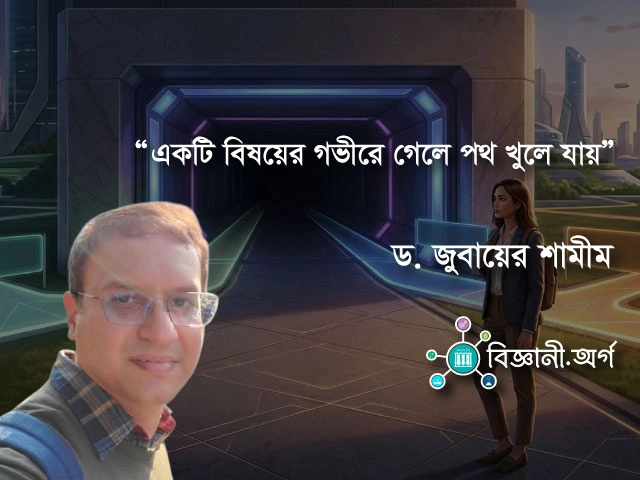
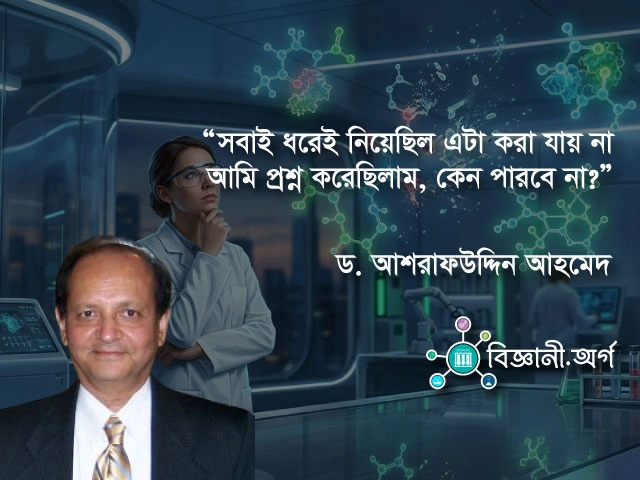
At Biggani.org, we believe that the stories of scientists and researchers are not simply stories of individual success. Behind every scientific journey lies curiosity, perseverance, discovery, and often an effort to solve a problem that affects people, society, or the planet.
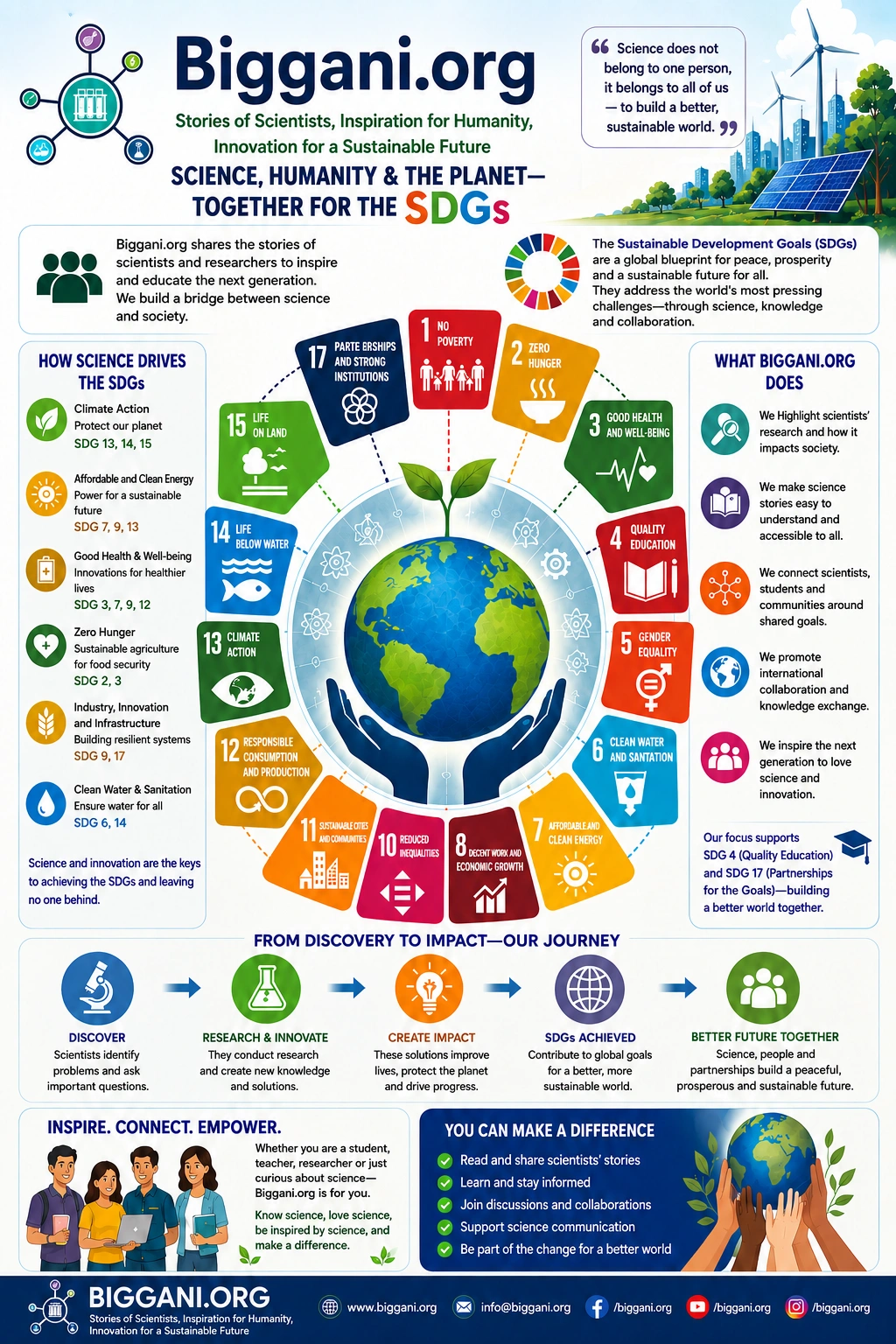
For this reason, Biggani.org is aligning its mission with the United Nations Sustainable Development Goals (SDGs). Both share a common purpose: to use knowledge, innovation, education, and collaboration to help create a better and more sustainable world for present and future generations.
The Sustainable Development Goals: A Shared Global Commitment
In 2015, all United Nations Member States adopted the 2030 Agenda for Sustainable Development. At the heart of this agenda are 17 Sustainable Development Goals and 169 associated targets. Together, these goals provide a global framework for addressing some of humanity’s most important challenges.
They include ending poverty and hunger, improving health and education, advancing gender equality, ensuring access to clean water and affordable energy, promoting decent work and innovation, building sustainable communities, addressing climate change, protecting life on land and below water, and strengthening global partnerships.
The central idea behind the SDGs is simple but powerful: development should improve human well-being today without compromising the ability of future generations to live healthy, secure, and meaningful lives. Achieving these goals, however, is not the responsibility of governments or international organisations alone.
Scientists, researchers, educators, students, universities, industries, civil society organisations, media platforms, innovators, and communities all have important roles to play. Science is especially important because many of the problems identified by the SDGs require evidence, research, technology, innovation, and new ways of thinking.
Science as a Driver of Sustainable Development
The relationship between science and the Sustainable Development Goals can be seen across almost every field of research. When a researcher develops a new method for detecting or treating disease, that work may contribute to SDG 3: Good Health and Well-being.
When scientists work on solar energy, hydrogen technologies, advanced batteries, or other forms of renewable energy, their research may contribute to SDG 7: Affordable and Clean Energy. Research in semiconductors, artificial intelligence, robotics, advanced materials, manufacturing, and engineering can support SDG 9: Industry, Innovation and Infrastructure.
Studies focused on climate change, carbon emissions, environmental resilience, or disaster mitigation can contribute to SDG 13: Climate Action. Research in agriculture, food production, biotechnology, or agricultural technologies may support SDG 2: Zero Hunger.
Similarly, research involving water, ecosystems, biodiversity, and environmental protection can contribute to SDG 6: Clean Water and Sanitation, SDG 14: Life Below Water, and SDG 15: Life on Land.
In other words, a scientific project taking place inside a laboratory may be closely connected to one of the world’s broader development challenges. The language may be different, but the purpose is often the same: understanding a problem, developing knowledge, and creating solutions that can improve lives.
Biggani.org: Connecting Scientists, Young People, and the SDGs
At the heart of Biggani.org are people. On one side are scientists, researchers, engineers, innovators, and academics who are creating new knowledge.
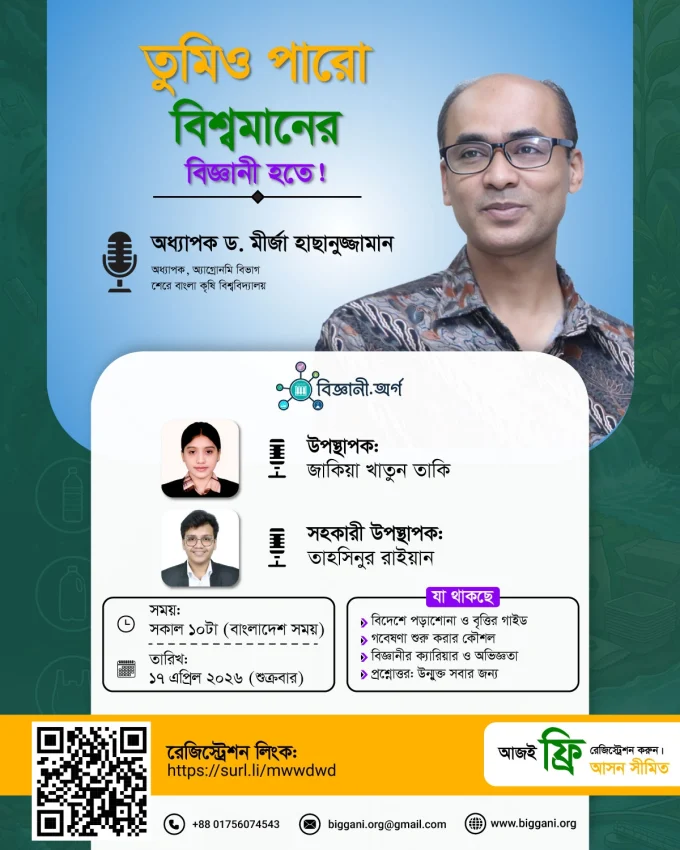
On the other side are students, young readers, aspiring researchers, and future scientists who are looking for inspiration, guidance, and opportunities to understand how science can shape the world. Biggani.org connects these two communities.
We identify scientists and researchers working in different parts of the world and bring their stories to a wider audience. We explore their educational journeys, research interests, challenges, failures, achievements, motivations, and visions for the future.
As part of our alignment with the Sustainable Development Goals, we are adding another important dimension to these stories. Whenever we feature a scientist or researcher, we aim to identify which Sustainable Development Goal, or Goals, are connected to their work and how their research may contribute to sustainable development.
For example, if a scientist is developing advanced battery technology, we may highlight the connection with SDG 7 and SDG 9. If a researcher works in public health, the relevant connection may be SDG 3. If the work focuses on agriculture, it may contribute to SDG 2 and SDG 9. If the research addresses climate change, biodiversity, or environmental protection, the connection may include SDG 13, SDG 14, or SDG 15.
Our intention is not simply to place an SDG icon beside an article. We want to explain the real connection between scientific research and its potential impact on society. A simple way of expressing this approach is:
Scientific Challenge → Research and Innovation → Potential Social Impact → Relevant Sustainable Development Goal
By showing this pathway, we hope readers will better understand not only what a scientist is researching, but also why that research matters.
Biggani.org’s Own Contribution to the SDGs
Biggani.org does not only highlight the SDG-related work of scientists. Our own mission is also connected to several Sustainable Development Goals. One of the strongest connections is with SDG 4: Quality Education. A key purpose of SDG 4 is to ensure access to inclusive and meaningful education and to help people develop the knowledge and skills needed to contribute to sustainable development.
By presenting the real-life journeys of scientists, explaining research in accessible language, and introducing students to pathways in higher education and scientific careers, Biggani.org aims to strengthen science education and encourage curiosity among young people.
A school student may read the story of a scientist working in space science and begin to imagine a future in research. A university student may learn from the experience of a researcher working abroad and gain a clearer understanding of postgraduate study, scholarships, laboratories, or research careers.
A young reader may discover a field of science they had never encountered before. These moments of inspiration may appear small, but they can have long-term impact. Biggani.org is also closely connected with SDG 17: Partnerships for the Goals. Science is global by nature.
Knowledge crosses borders, and many of the world’s most important scientific challenges require collaboration among researchers, universities, institutions, industries, governments, and communities.
By connecting scientists around the world with students and readers, particularly young people from Bangladesh and other emerging communities, Biggani.org contributes to the broader idea of knowledge-sharing and global collaboration.
When a student in Bangladesh learns directly from the experience of a scientist working in Japan, Singapore, Europe, the United States, or another part of the world, a bridge is created. That bridge may eventually lead to education, collaboration, mentorship, research, innovation, or new partnerships.
Bringing Science Closer to Society
Scientific research is often communicated through academic journals, technical reports, conference papers, and specialist language. As a result, even highly important research may remain difficult for students and the general public to understand. Biggani.org seeks to reduce this gap.
When we speak with a scientist, we are interested not only in the technical details of the research but also in three fundamental questions:
- What problem is the scientist trying to solve?
- Why does this research matter?
- How could it improve human life, society, or the future of our planet?
These questions naturally connect scientific research with sustainable development. They also help transform scientific communication from a technical explanation into a story of human impact. This direction is increasingly important at the global level.
The United Nations has declared 2024–2033 the International Decade of Sciences for Sustainable Development, with UNESCO leading its implementation. The initiative recognises that science must become more closely connected to society and that stronger cooperation is needed among scientific communities, decision-makers, institutions, and citizens.
This global vision strongly reflects the philosophy behind Biggani.org: bringing science closer to people and encouraging future generations to participate in solving the challenges facing humanity.
Every Scientist’s Story Can Inspire Change
We believe that major change often begins with a simple question. A young student may read the story of a scientist on Biggani.org and become curious about science. That curiosity may lead to education. Education may lead to research. Research may lead to an innovation.
And that innovation may one day improve the lives of thousands or even millions of people. At that point, a scientist’s story is no longer just a story. It becomes the beginning of another journey. This is why, for Biggani.org, the Sustainable Development Goals are more than 17 international goals or a collection of colourful icons.
They provide a shared language for understanding some of the most important challenges facing humanity. Science provides one of the most powerful tools for addressing those challenges. Biggani.org seeks to connect the two.
We share the stories of scientists and their discoveries.We explain the broader social and global relevance of their work.We identify the Sustainable Development Goals connected to their research.And we encourage young people to understand that they, too, can contribute to building the future.
Our mission is therefore not only to document the journeys of scientists. We want those stories to create curiosity, inspire new questions, encourage research and innovation, and help a new generation recognise its potential to contribute to society.
Because the story of today’s scientist may inspire the scientist of tomorrow. And through science, knowledge, innovation, education, and collaboration, that next generation may help move the world one step closer to a healthier, more equitable, innovative, resilient, and sustainable future.