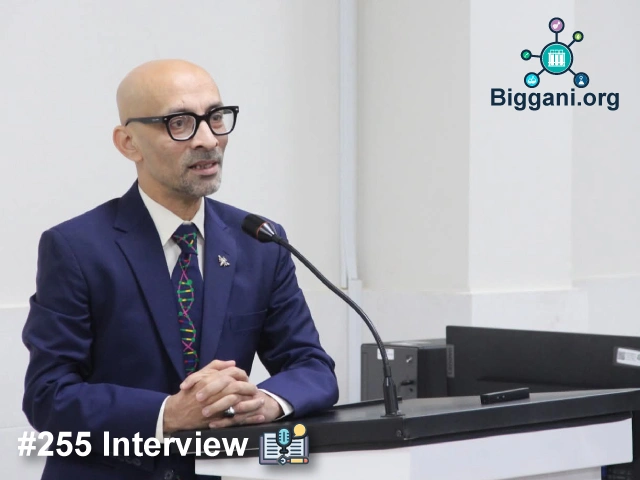


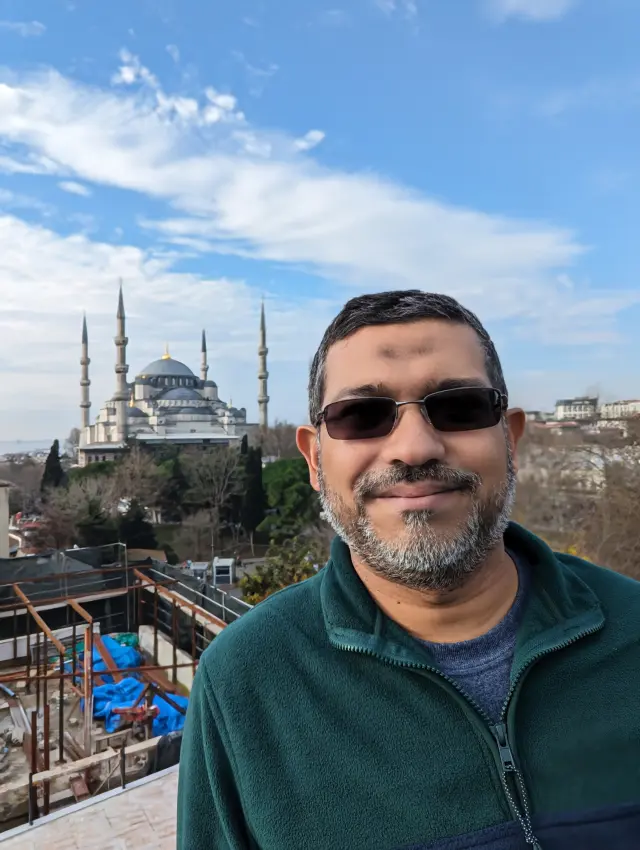
Today, on behalf of Biggani.org, we spoke with Bangladesh’s renowned scientist Dr. Rashed Islam. He is primarily a materials scientist and reliability physicist. In this conversation, he shared his deep passion for research, success stories, and valuable advice for young researchers.
The Start of Research: Emergence of Interest from Materials Engineering
Dr. Rashed Islam began his academic journey at Bangladesh University of Engineering and Technology (BUET), where he earned his bachelor’s degree in Metallurgical Engineering. During his undergraduate studies, he became deeply fascinated by the properties of metals. He specifically noticed that changes in the amount of carbon and other elements in iron lead to significant differences in its qualities. For example, increasing the carbon content in steel makes it stronger but more brittle, whereas low-carbon steel is more ductile. These kinds of material science concepts paved the way for his interest in research.
The Concept of Research: The Pursuit of Discovery
Dr. Islam believes that research means seeking anew, that is, “re-search.” According to him, the main goal of a researcher is to add something new to the world’s body of knowledge. This realization inspired him to begin his journey as a researcher.
First Steps: Research at City University of Hong Kong
For postgraduate studies, he applied to study in the United States but could not go due to visa complications. However, he did not stop there. He used that time to complete his master’s degree at BUET and later began research at the City University of Hong Kong. There, he worked on electronic packaging technology, which helps improve the reliability of the main logic board. This technology is vital in modern electronics, as it enhances microchip reliability.
In Hong Kong, working under a renowned scientist, he learned the methods of research and the art of securing research funding. He realized that obtaining funding is a crucial skill for any researcher.
Research in the United States: PhD and New Technologies
Later, he enrolled in the PhD program at the University of Texas at Arlington in the United States. There, he worked on piezoelectric technology, which generates electricity on a micro scale through mechanical stress. Using this technology, he developed magnetic sensors that help detect buried mines for the defense industry. At the time, there were very few researchers in this field, which motivated him to pursue it further.
He says that considering the impact of research is crucial. Finding new topics and asking the right questions are keys to success in research.
Electronic Packaging and Reliability
Dr. Islam has worked on electronic packaging, where electronic circuits or boards are packaged in such a way that they are reliable and long-lasting. Reliability engineering is a field focused on extending a product’s service life and reducing failure rates. Studies have shown that about 30% of electronic device failures stem from packaging problems. Proper packaging protects devices from external environments and enhances their performance.
Sustainability and Recycling Plastic
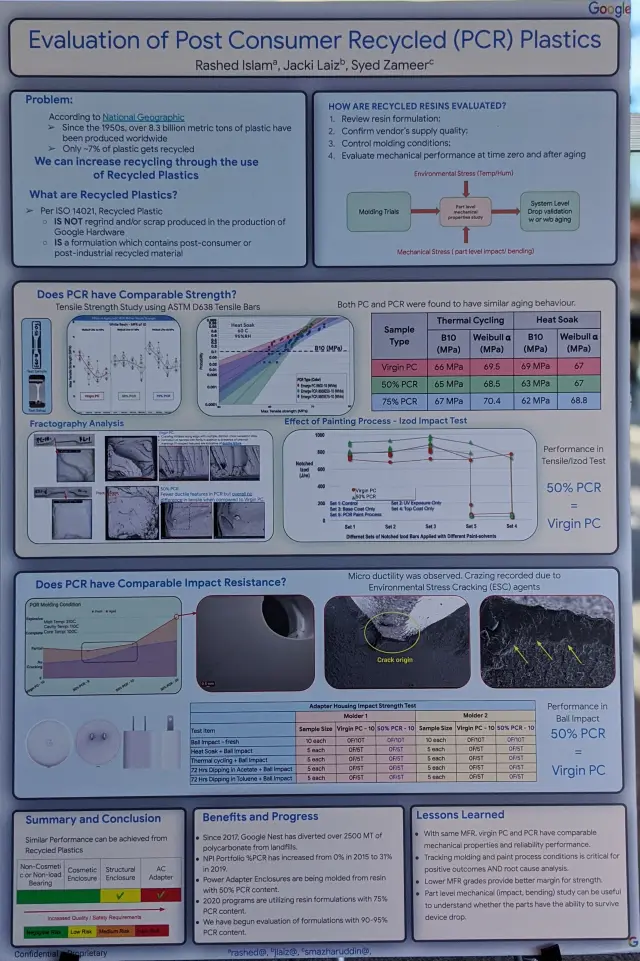
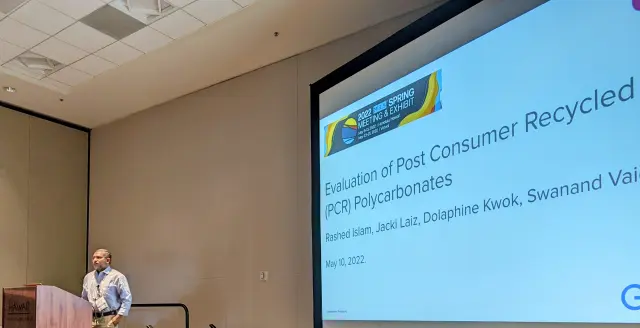
He later became interested in sustainability and worked on the reliability of recycled plastic. Plastic waste is a major global issue, with about 380 million tons produced yearly, but only 9% is recycled. He is researching how to optimize the process of recycling so that the quality and strength of recycled plastic remain intact and last longer.
Future Plans: Plastics from Natural Sources
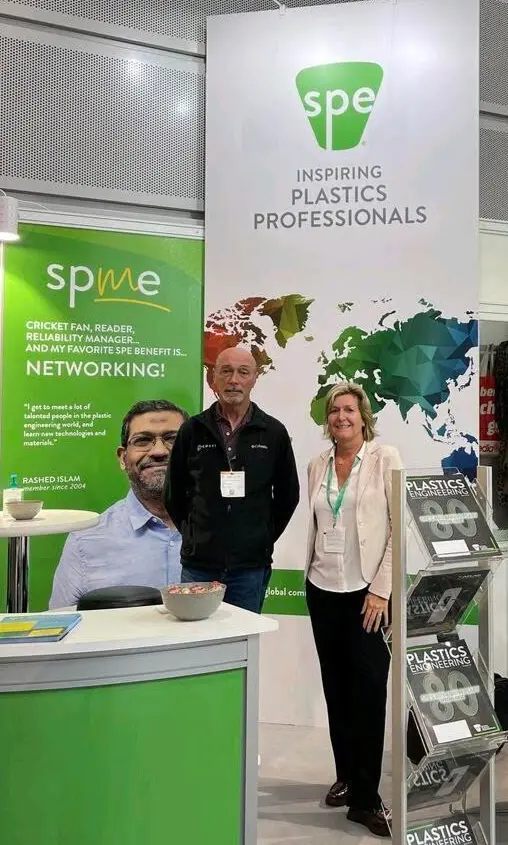
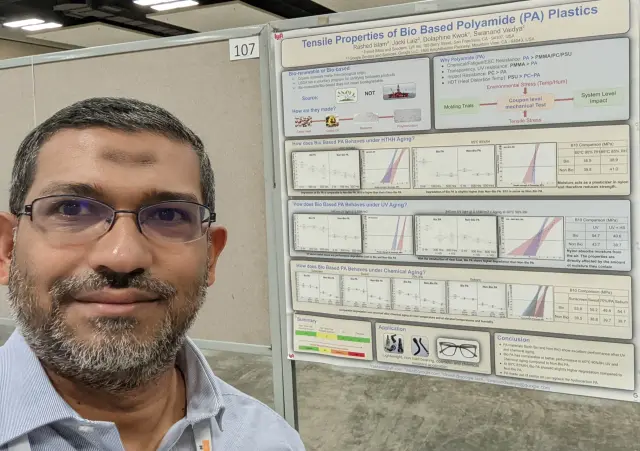
Dr. Islam is currently working on the reliability of bioplastics and how to make them biodegradable. Biodegradable plastic is better for the environment, as it naturally decomposes in soil and reduces pollution. For example, plastics made from corn starch or cellulose are biodegradable and recyclable.
Advice for Young Researchers
He says that not everyone has to become a researcher. But those who want to must first discover their true motivation. Knowing the answer to “why” is very important. To find this answer, one must read extensively and learn about current research fields. Reading and analyzing research papers is essential for young researchers.
Patience and Perseverance: Keys to Success
Patience and perseverance are very important in research. He says that during the first two years of his PhD, he had no results and felt frustrated. But his supervisor encouraged him to keep going. Eventually, he completed his PhD successfully. In his view, a researcher must work with great patience and perseverance.
More details on Dr. Rashed Islam:
- LinkedIn Profile: https://www.linkedin.com/in/rashed-islam-65353a17/
- Google Scholar reference: https://scholar.google.com/citations?view_op=list_works&hl=en&authuser=1&hl=en&user=xqNsjAQAAAAJ&sortby=pubdate&authuser=1
- Researchgate (for all the article full text): https://www.researchgate.net/profile/Rashed-Islam-2
Final Words
Dr. Rashed Islam’s research journey is a source of inspiration for us all. His experience and advice are invaluable for new researchers. His dedication to research and ability to overcome challenges encourages us all.
This was our conversation with Dr. Rashed Islam on behalf of Biggani.org. We hope that his research achievements and passion for working on new technologies will continue to enlighten our future.
This interview was conducted by Dr. Mashiur Rahman on behalf of Biggani.org.
Interview with Bangladeshi Scientist Dr. Rashed Islam: A Steadfast Journey in Research
Today, on behalf of Biggani.org, we had the privilege of speaking with Bangladesh’s renowned scientist Dr. Rashed Islam. A materials scientist and reliability physicist by profession, Dr. Islam shared his deep passion for research, success stories, and valuable advice for aspiring researchers.
The Genesis of Research: A Spark from Materials Engineering
Dr. Rashed Islam began his academic journey at the Bangladesh University of Engineering and Technology (BUET), where he earned his bachelor’s degree in Metallurgical Engineering. During his undergraduate studies, he developed a profound interest in the properties of metals. He noticed that slight variations in the carbon and other element content in iron could significantly alter its characteristics. For instance, increasing carbon in steel makes it stronger but more brittle, while low-carbon steel is more ductile. These insights into material physics propelled him toward a path of research.
The Essence of Research: Striving to Discover Something New
Believing that research is about “re-searching” or exploring anew, Dr. Islam feels that a researcher’s primary goal is to contribute something novel to the repository of human knowledge. This realization inspired him to embark on his journey as a researcher.
First Steps: Research at City University of Hong Kong
After his undergraduate studies, Dr. Islam received a full scholarship in United States for his postgraduate education but faced visa complications. Undeterred, he completed his master’s degree in BUET and later began research at the City University of Hong Kong. There, he delved into electronic packaging technology, which helps establish improved reliability of the main logic board of devices . This technology is crucial in modern electronics as it enhances the reliability of microchips.
Working under a prominent scientist in Hong Kong, he learned valuable research methodologies and strategies for securing funding—a skill he recognized as essential for advancing in research.
Pursuing a PhD in the USA: Embracing New Technologies
Subsequently, Dr. Islam enrolled in a PhD program at the University of Texas in the United States. His research focused on piezoelectric technology, which generates micro-scale electricity through mechanical stress. Utilizing this technology, he worked on developing magnetic sensors capable of detecting landmines buried underground—a significant contribution to the defense industry. The scarcity of researchers in this niche field motivated him to dive deeper.
He emphasizes the importance of considering impact in research. “Finding new topics and asking the right questions are the keys to success in research,” he asserts.
Electronic Packaging and Reliability Engineering
Dr. Islam has also contributed to electronic packaging, ensuring that electronic circuits or boards are enclosed in a way that promotes longevity and reliability. Reliability engineering focuses on extending a product’s service life and reducing failure rates. Studies indicate that approximately 30% of electronic device failures stem from packaging issues. Proper packaging safeguards devices from external factors and enhances their performance.
Sustainability Initiatives: Recycling Plastics
With a growing interest in sustainability, Dr. Islam turned his attention to recycling plastics. Plastic waste is a global concern, with around 380 million tons produced annually and only about 9% being recycled. He is researching methods to optimize the recycling process to maintain the quality and durability of recycled plastics.
Future Endeavors: Creating Plastics from Natural Materials
Currently, Dr. Islam is exploring the production of plastics from natural sources. Biodegradable plastics benefit the environment by naturally decomposing in soil, thereby reducing pollution. Plastics made from corn starch or cellulose, for example, are both biodegradable and recyclable.
Words of Wisdom for Aspiring Researchers
“Not everyone needs to become a researcher,” he notes. “But for those who aspire to, it’s crucial to discover your genuine passion. Knowing the answer to ‘why’ you want to pursue research is vital.” He advises aspiring researchers to immerse themselves in extensive reading and to familiarize themselves with current research fields. Reading and analyzing research papers is essential for developing a solid foundation.
Patience and Perseverance: Pillars of Success
Dr. Islam underscores the importance of patience and perseverance in the research journey. He recalls the first two years of his PhD when he struggled to achieve results and felt discouraged. However, his supervisor encouraged him to stay the course. Eventually, he successfully completed his PhD. “A researcher must work with great patience and dedication,” he emphasizes.
Information of Dr. Rashed Islam:
- LinkedIn Profile: https://www.linkedin.com/in/rashed-islam-65353a17/
- Google Scholar reference: https://scholar.google.com/citations?view_op=list_works&hl=en&authuser=1&hl=en&user=xqNsjAQAAAAJ&sortby=pubdate&authuser=1
- Researchgate (for all the article full text): https://www.researchgate.net/profile/Rashed-Islam-2
Closing Thoughts
Dr. Rashed Islam’s journey in research serves as an inspiration to us all. His experiences and insights are invaluable to young researchers. His dedication and ability to overcome challenges motivate us to strive for excellence.
This was our insightful conversation with Dr. Rashed Islam on behalf of Biggani.org. We hope that his achievements and enthusiasm for pioneering new technologies will continue to brighten our future.
On behalf of biggani.org Dr. Mashiur Rahman, editor of biggani.org conducted this interview.