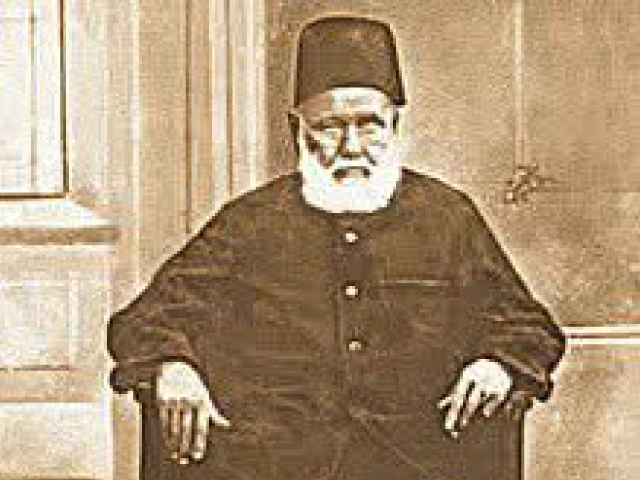
Fingerprint technology is now an essential tool worldwide for crime detection and ensuring security. Yet, one of the key inventors of this revolutionary method was a Bengali scientist whose name remains unknown to many—Khan Bahadur Kazi Azizul Haque.
The Story of a Forgotten Scientist
Born in 1872 in Phultala, Khulna district of British India, Azizul Haque was a student of mathematics. After completing his studies in mathematics at Presidency College, Kolkata, he joined the Writers’ Building in Kolkata in 1892. At that time, the method used to identify criminals was called anthropometry, which was lengthy and complicated.
With his mathematical skills and innovative thinking, Azizul Haque developed a method that made criminal identification much easier. This system later became known as the ‘Henry System’. Unfortunately, the credit for this system was solely attributed to British police officer Sir Edward Richard Henry, even though its real foundation depended on Haque’s research.
Recognition and Rewards—But Was It Enough?
In recognition of his significant contributions, the British government gave Azizul Haque the title ‘Khan Bahadur’, awarded him five thousand rupees, and granted him a small land estate. He was also promoted to the position of Superintendent of Police (SP). But did this recognition truly honor the value of his innovation?
The British government recognized him, but how well do we Bengalis know him? Perhaps if he had not been a Muslim, his name would have been even more renowned!
International Acknowledgment, Forgotten in Bengal
Although his name is little known in Bangladesh and the Indian subcontinent, Britain has not forgotten him. The Fingerprint Society established ‘The Fingerprint Society Azizul Haque & Hem Chandra Bose Prize’ in honor of him and Hem Chandra Bose. This prize is awarded to researchers who have made significant contributions to the field of forensic science.
The Final Chapter of His Life
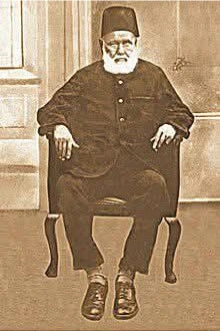
Azizul Haque spent his final days in Champaran, Bihar, in undivided India. He passed away in 1935 and was buried within the grounds of his own home, ‘Aziz Manzil’.
Azizul Haque was not just a police officer; he was a great innovator whose research is still used globally today. But have we truly honored him as he deserves?
Conclusion
It is our responsibility to present this forgotten hero of Bengal to the new generation. His contribution is not just a part of past history—it’s a milestone in current and future security and forensic science. Therefore, there should be more research and discussion on the life and work of Azizul Haque, so that his name is not merely on a list of awards but becomes a true source of our inspiration.