✍️ News Desk, Biggani.org
📧 Contact: biggani.org
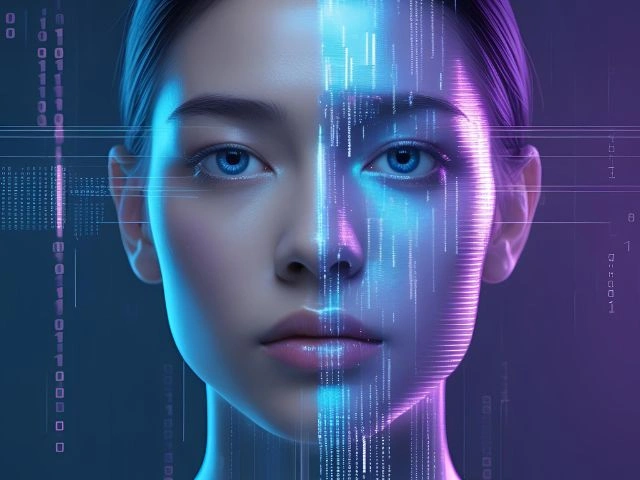
The world has entered an era where, thanks to the advancement of artificial intelligence (AI), human faces, voices, and even body movements can be digitally replicated. This is known as deepfake technology—videos are now being produced that are so realistic, it’s often impossible to distinguish them from the real thing. While this technology is sometimes used for fun, it’s also being exploited for fraud, defamation, and the spread of misinformation.
In this context, Denmark is on track to become the first European country to introduce a law that would automatically grant every citizen copyright ownership over their face, voice, and body’s digital representations. That means, if someone uses your digital likeness to create something—without your consent—it will be considered a legal offense.
Let’s dive into the details of this proposed law.
✅ Copyright for Personal Appearance, Voice, and Body
According to this Danish law, every citizen’s digital representation of their face, voice, and body will be considered their own copyright property. If anyone wishes to artificially reproduce or use these features, they must obtain the individual’s consent.
This applies not only to celebrities but also to ordinary citizens. Even if someone’s face is used in another video with AI, it will be considered a crime if done without permission.
🤖 Direct Action Against Deepfake Technology
The primary goal of this law is to prevent the misuse of AI-generated deepfake videos and audio. These days, we’re seeing—
- Fake statements being circulated by placing politicians’ faces on videos
- Creating fake videos of actors and actresses
- Blackmailing ordinary people by making fake videos in their name
Individuals will be able to take legal action against such incidents and demand that videos or content be removed.
The Danish government believes that deepfake technology is no longer just a technical issue—it’s a matter of personal rights and security.
🎭 Who Does This Apply To?
This copyright law applies not only to ordinary people, but also to well-known artists and performers. Often, an artist’s voice, face, dance, or acting is digitally imitated. Under this law, those instances will be legally protected as well.
However, the law does provide for some exceptions.
😂 Exceptions: Parody and Satire
The law permits parody, satire, or comedic representations. So, if someone makes a video portraying a well-known figure in a humorous or satirical way, and it’s clearly for entertainment, it will not fall under this law.
The intention here is to ensure that creativity and artistic freedom are not stifled, while also protecting personal rights.
💰 Enforcement and Penalties
Digital platforms (like Facebook, YouTube, TikTok) that fail to remove deepfake content after user complaints may face substantial fines. This will pressure these platforms to be more proactive in protecting digital rights.
Denmark has announced its intention to promote such laws across Europe during its presidency of the European Union (EU).
🌍 Why Is This Law So Important Now?
As technology advances rapidly around the world, legal frameworks often lag behind. Deepfake technology is spreading confusion, deception, and even politically motivated misinformation. Many ordinary people end up believing fake content without realizing it’s not genuine.
A study found that there were around 12 million deepfake videos online globally in 2023 alone. Of these, 96 percent were pornographic and the majority targeted women.
This law will help people protect their digital identities, while also safeguarding human dignity, privacy, and freedom.
📢 Our Opinion: A Bold Step for the Future
This move by Denmark is undoubtedly bold and timely. Through this law, the human risks hidden behind technological progress are being taken seriously. This could be a milestone that inspires other countries as well.
This law provides food for thought for Bangladesh as well. Because in our country, the use of digital content is rising, and so are incidents of privacy violations.
If in the future, Bangladesh and other nations enact laws safeguarding digital rights for their citizens, it would be a major step towards digital human rights.
📌 Conclusion
Face, voice, body—these are not just biological identities; in this digital age, they also carry personal and legal value. Denmark’s initiative shows us that as technology propels us forward, laws must also keep pace.
Do you want to have rights over your own face?
If so, it’s time to start thinking about such laws—because AI isn’t waiting for us.
📢 What do you think about this?
Comment on the biggani.org Facebook page or write to [email protected].
Your feedback will help shape our upcoming reports.
🗞 Biggani.org – Science for All.