Guest Writer – Azizul Haque
Assistant Professor, Yeungnam University.
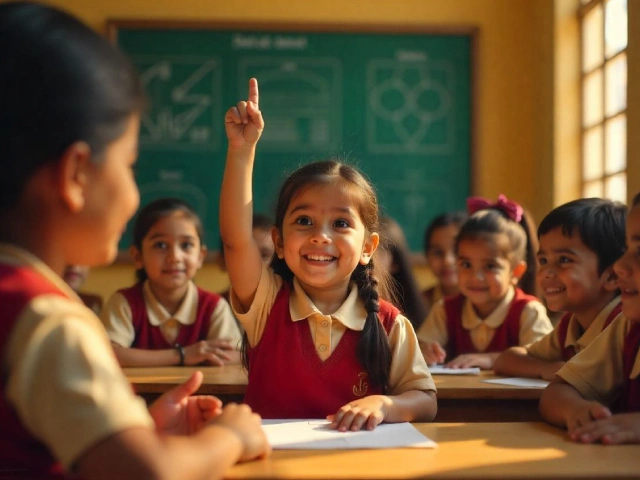
Those of us who have participated in classes or taught in different countries have surely noticed that students there easily ask the teacher questions whenever they do not understand something. Teachers patiently answer all questions. Often, some students keep asking questions repeatedly until they fully understand the topic at hand. If the teacher cannot answer a question right away, they frankly admit, “I don’t know this now, but I’ll find out and let you know later.” This is a very normal process.
But we Bangladeshi students lag far behind in this area. The culture of asking questions has not yet fully developed in our education system. Even when students do not understand something in class, they remain silent, feeling shy to ask questions. This is because many harbor an invisible fear: if I ask a question, others will think I don’t even understand simple things. In fact, many who go abroad for studies also hesitate to ask the professor questions, always worrying, “What will the professor think? Will they get angry? What if they think I can’t even grasp such an easy topic?” Yet, this very fear is the biggest obstacle on the path to learning.
In foreign education systems, asking questions is always encouraged. Students not only ask questions but also present their own opinions or differing viewpoints with respect. Teachers accept this sincerely.
On the other hand, in many educational institutions in Bangladesh, even today, asking questions is seen as impudence, an attempt to look unnecessarily smart, or an excessive display of enthusiasm. When someone asks a question, classmates often mock them, and some teachers show negative reactions. As a result, the student’s confidence is damaged, and others also lose interest in asking questions.
This culture is seen not only in educational institutions but also within families. When young children ask various questions out of curiosity, adults often get irritated or, sometimes unknowingly, say, “There’s no need to know so much,” or “Stop asking so many questions.” Such responses send a negative message to children, making them feel that asking questions is not right. This stifles their curiosity, which is one of the main drivers of their intellectual development.
Asking questions is not just a learning strategy but an expression of depth of thought, analytical abilities, and self-confidence. When a student asks a question, they’re not just learning themselves—other students also benefit. Often, the question one person asks was on the minds of many others, but they didn’t have the courage to speak up.
Teachers should create an environment where students can ask questions without fear. If a teacher does not know the answer to a question, admitting it is also a part of teaching. Just as teachers teach students, students’ questions also prompt teachers to think.
The intellectual growth of a nation depends on its curiosity and its people’s ability to ask questions. This courage needs to be fostered from an early age—in families, schools, and higher educational institutions. We need to build an educational system where asking questions is encouraged as a path to knowledge.
Education is not just about rote learning but about understanding, analysis, and application. And this journey of understanding begins with questions.
Note: Collected from Facebook.