The early morning light hasn’t fully come in yet. In the hostel corridor, the air is thick with the scent of dampness, the stale sweat of the night, moist walls, and the smell of leftover food. In a corner, a plastic bucket holds the plates and spoons from last night, still unwashed. Inside the room, three out of six are still asleep, two are glued to their mobile screens, and the last—a second-year college student—quietly gets up. His name is Mohsin. He knows he won’t have breakfast today either. It’s not just about skipping a meal; there’s simply nothing to eat in the hostel in the mornings. There’s a mess, but the only option is reheating last night’s rice—something he can no longer take.
Mohsin washes his face and heads out. Class is at eight. He feels a mild ache in his stomach, but he’s come to accept it as normal. At the bus stand, his breakfast is a cup of tea and a piece of cake. The hunger subsides for a while, but his body doesn’t. His brain is still waiting for glucose. In class, he finds it hard to concentrate. What the teacher writes on the board registers visually, but doesn’t sink in. He doesn’t realize that his cortisol levels are rising because he hasn’t eaten, his sympathetic nervous system is activated, and his brain is now in its worst state for learning.
By noon, hunger can’t be ignored any longer. As soon as class ends, he and his friends head out. The familiar hotel next to the college greets them with its pungent smells, dark oil, and half-washed plates. Rice, lentils, vegetables, eggs or chicken curry are on the menu. The food isn’t actually bad, but no one knows how many times the oil has been reused. There’s too much salt, too few vegetables, almost no fiber. While eating, he feels a sense of satisfaction—his body has finally received some calories. But this satisfaction is deeply deceptive.
This one meal can’t make up for the damage done to Mohsin’s body throughout the day. The hypoglycemic stress caused by skipping breakfast actually gets worse when he suddenly eats a heavy lunch. His insulin spikes, and his blood sugar swings rapidly. If this pattern continues for months, the body gradually moves toward insulin resistance—which is a major reason for rising diabetes among young people in Bangladesh.
Mohsin’s story is not unique. The lives of almost all hostel or mess residents, and even students living in rented homes in the city, are nearly identical throughout Bangladesh. There’s no time in the morning, no opportunities, and above all, a lack of awareness. We tell ourselves, “We’re young now, we’ll fix things later.” But the body doesn’t do the math based on age—it makes decisions based on habit.
The biggest harm from regularly eating outside food occurs in the digestive system. The water used in our country’s street food or small hotels is often of questionable quality. Sometimes it comes straight from a WASA line or ponds. As a result, E. coli, Salmonella, Shigella enter the body, and though they may not cause serious illness in one day, over time they disrupt the natural bacterial balance of the gut. Mohsin often experiences bloating or gastritis, but brushes it off as part of college life.
The effects of these gut problems aren’t limited to the stomach. Modern medical science is clear: the gut and brain are directly connected, known as the gut–brain axis. I’ve written a short article on this before, so I won’t go into details here. Prolonged consumption of junk and unclean food reduces serotonin production. The result: low mood, irritability, disturbed sleep. Mohsin notices he’s not as lively as before. Even when there’s no study pressure, he feels inexplicably tired.
Another major problem in the Bangladeshi context is food adulteration. Street food often contains artificial colors, tasting salt, and excessive monosodium glutamate. While these may enhance flavor in the short term, over the long run they put strain on the kidneys, liver, and nervous system. Our dietary habits play a major role in the increasing rates of fatty liver, high uric acid, and even hypertension at a young age in our country.
Is this situation just a personal failure? No. It’s a problem rooted in social structure. Hostels rarely offer nutritious breakfast, college cafeterias are more focused on profit than serving healthy food, and students living away from home rarely get any guidance. We make exam routines and class schedules, but never meal routines.
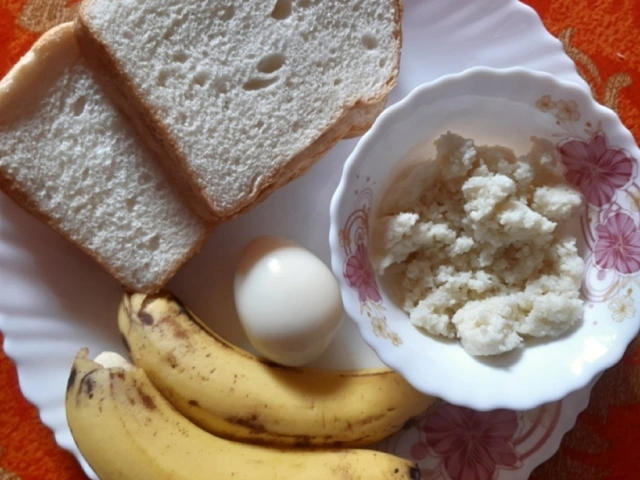
The solution isn’t impossible. Small changes can have a big impact within Bangladesh’s reality. Even in hostels or messes, providing a simple breakfast—like khichuri, eggs, bananas, or roti—a few days a week could be implemented. College canteens should have minimum guidelines for healthy meals. Students themselves must realize that starting the day with just a cup of tea isn’t wise.
Eventually, change comes to Mohsin’s life too. Not necessarily after some major illness, but rather one day when he sees his own tired face in the mirror. Slowly, he adds a banana or a boiled egg to his mornings. Even if he eats out for lunch, he keeps dinner light. These small choices gradually help his body recover.
The aim of this article isn’t to frighten anyone. Rather, it’s to hold up a real mirror. Eating outside food will always be a part of our lives. But if it becomes a habit, your body, your mind, and your future will pay the price.
The college student Mohsin of today is the working citizen of tomorrow. What’s on his plate today will determine how healthy he’ll be for the next twenty years. Food might seem like a simple matter, but in truth, it’s one of life’s quietest yet most powerful choices.
Md. Iftekhar Hossain
2nd Year MBBS, Cox’s Bazar Medical College, Bangladesh
Main interests: behavioral science, neuroscience, and habit science.