The progress of human civilization has always been deeply connected to the pursuit of knowledge, especially in the fields of science and technology. Every significant advancement and development in society has been driven by scientific research, discoveries, and technological innovations. While many people associate science only with engineering or electronics, it is important to understand that science is not limited to these areas. Science encompasses wide-ranging fields, including social structures, psychology, and human relationships—all of which are governed by scientific principles. Therefore, scientific knowledge is not limited to tangible subjects alone; it also includes the exploration of abstract and invisible phenomena.
In the context of Bangladesh, which is a developing country facing numerous challenges, the importance of science and technology is immense. Especially after August 5, 2024, when the taste of freedom has been rediscovered by overthrowing the autocrat, we are reassessing our future directions and approaches. From the state structure to every sector of society, we are now contemplating reforms. At this critical juncture, this article calls upon us to refocus on science and technology.
To narrow the gap with developed nations, Bangladesh must prioritize scientific research and technological advancement. While developed countries have already built robust infrastructures, the path is more challenging for Bangladesh. The positive aspect, however, is that we do not need to start from zero. By learning from successful models in other countries and adapting that knowledge to our own context, we can make significant progress.
The Importance of Scientific Thinking
Scientific thinking and attitudes are crucial for Bangladesh’s national development. The changes of August 5 have ushered in a new horizon for us. During this time, it is necessary to reconsider our thoughts and priorities. Innovative thinking and evidence-based decision making will help address the problems present in our society.
It is imperative to restructure our education system to value innovation over rote learning. Focus must be given to teaching students skills in innovation and problem solving. This will not only enhance the quality of our education but will also help create a scientifically-minded society.
Improving the Quality of Teachers and Education
To improve Bangladesh’s education system and the quality of its teachers, a reassessment and the hiring of qualified teachers is needed. Due to corruption, unqualified teachers have entered the education sector, which has damaged the quality of education. If recruitment is based on merit and competence, students will receive high-quality education, which will help shape them into skilled scientists and technologists in the future.
Investment in Science and Technology
An important step for Bangladesh’s progress in science and technology is to increase investment in research and development (R&D). A significant portion of the budget should be allocated for research and development. This investment is essential to build the necessary infrastructure and human resources for technological progress.
By establishing state-of-the-art research centers and innovation hubs, and investing in human resource development, we can lead the country toward progress through the development and utilization of new technologies.
Proper Utilization of Diaspora Talent
Many expatriate Bangladeshis are eager to contribute to the country’s development. By harnessing their skills and experience, we can achieve significant progress in the development of science and technology in Bangladesh. Through collaborative projects and ensuring their participation in national development, we can strengthen our capabilities.
Fostering a Culture of Innovation and Development
To achieve success in science and technology in Bangladesh, we must foster a culture of innovation and creativity. Innovative thinking and creative problem-solving can play a critical role in our society. Coordinated efforts among government policies, private sector collaboration, and educational institutions will help establish an innovative environment.
Our school and college teachers should be paid salaries that rank among the highest of all professions, so that talented students are encouraged to join this field. Currently, many who do not receive good pay in other professions end up as school and college teachers. As a result, students are not nurtured properly. In fact, most of these teachers are unable to teach effectively.
Opinions of Bangladeshi Scientists
On this subject, I spoke with several Bangladeshi scientists who attach great importance to this matter. Below are some of their quotes:
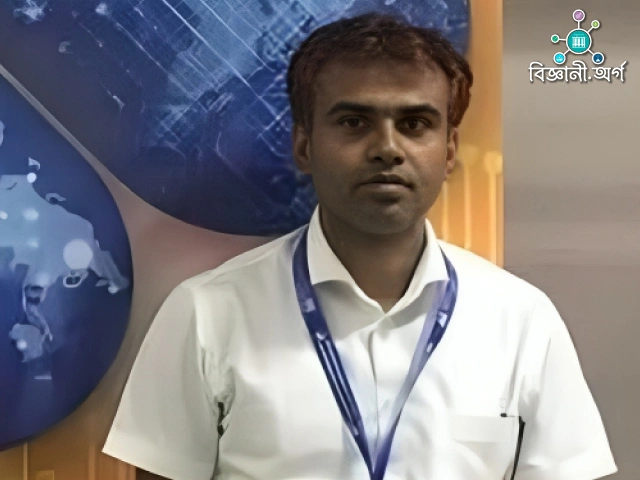
Professor Mahmudul Kabir: Akita University, Japan
There is nothing new to say about Japan’s technology. However, there are some unique aspects of their education system that may be among the reasons for Japan’s technological advancement. For example, elementary school students do a type of summer homework called “Guiyu Kenkyu.” In Bengali, this could be called “self-directed research.” The main objective of this assignment is for students to observe their topic of interest, collect simple data, and analyze it in their own way.
While parents or other family members may assist with this research, the primary responsibility falls on the student. Some may observe the growth of a flowering plant, some measure wind speed, and others think about the relationship between plant growth and temperature. Many students create small models—making figures out of clay, building things with wood, and even researching mosquitoes and flies.
The main goal is to develop research habits and foster a curiosity for learning new things. Such assignments may play a key role in enhancing Japan’s capacity for innovation in the future.
Professor Mohammad Nasimul Islam: Malaysia
During Bangladesh’s crisis, the student population not only achieved victory but also protected the country. Now we must build the nation. I find it appropriate to offer a few suggestions for this task.
1. As much as possible, qualified and impartial individuals must be placed in the right positions in every government institution.
2. Every institution’s research cell must be made active.
3. The duties of officials must be clearly defined and compliance made mandatory.
4. Radical and unproductive persons should be removed through golden handshakes.
5. Eliminate discrimination and prioritize education, health, agriculture, and research.
6. Avoid putting old rubbish in new bottles.
7. Flaws and faults in every sector—both good and bad—must be identified scientifically, and for this, the importance of forensic science must be emphasized.
8. Avoid unnecessary harassment through false cases.
9. Finally, to curb corruption, a three-tiered check and balance system must be implemented, with the third tier being confidential in nature.
Dr. Khandaker Abdullah Al Mamun: Professor, United International University, Bangladesh
1. Generation Z must become hard-working and serious about personal development so that they can play a crucial role in the country’s progress.
2. A spirit of volunteerism has always proven effective in helping people in any situation. Our Generation Z demonstrated this during the movement of 2024 by controlling traffic, protecting minorities, and aiding people during floods. Therefore, to instill a sense of responsibility toward society and others, the culture of volunteerism needs to be widely promoted. This will help reduce issues like selfishness, corruption, and abuse.
3. I want to promote my philosophy of education and development for Generation Z, focusing on problem-solving and skill development, which consists of three steps: 1. Understanding, 2. Believing, and 3. Implementing. I believe that in anything we do in life—be it education, skill development, or career—we must first have a clear understanding of what and why we are doing it. Then we must believe in it, and finally, with patience and determination, implement it. Generation Z must develop themselves as problem-solvers and contribute to solving the country’s social and industrial problems through research, innovation, invention, and commercialization. This will reduce our dependence on foreign technology and specialists, lowering imports and improving our foreign currency reserves. Collectively, we must transform Bangladesh from an importing country to an exporting one, as Japan and South Korea have done.
Dr. Faruq Sattar – Academic Researcher, Victoria University, Canada
For the overall development of the country, Generation-Z needs to pay greater attention to science and technology. Unfortunately, we have invested little in this vital sector, leading to minimal progress. Here are some of my suggestions for developing their technical and scientific skills:
First, we need to improve our science and engineering facilities in all universities. We should open more research labs and science centers for our students.
Second, we must create more opportunities for students to engage in practical, hands-on projects through various competitions, such as AI (Artificial Intelligence) challenges sponsored by non-profit organizations.
Third, we need to increase research collaborations with Bangladeshi expatriate experts/scientists, who can be involved as external research advisors/investigators on various projects.
Fourth, it is important to encourage students to submit ideas for startup companies led by university professors/researchers and scientists.
Finally, we urgently need more well-equipped scientific libraries, enriched with numerous scientific research articles, journals, databases, and more.
Conclusion: A Vision for the Future
The role of science and technology is indispensable in Bangladesh’s journey of development. By prioritizing education, investing in research, effectively utilizing diaspora talent, and promoting innovative thinking, we will be able to build a strong and advanced Bangladesh. This journey begins with a promise: by creating a science-oriented and innovative society, we can ensure a brighter future for our country.