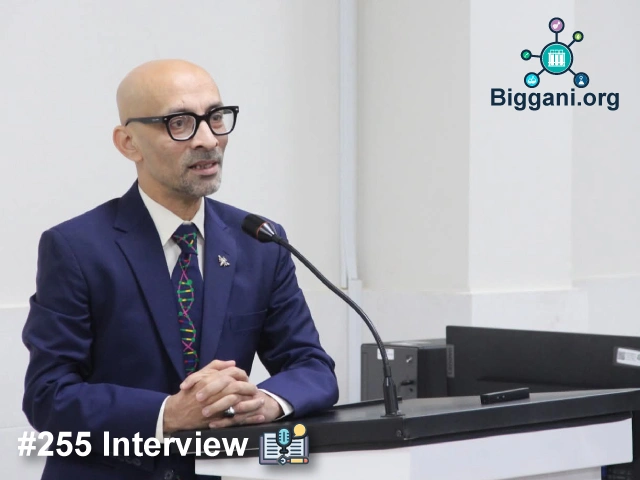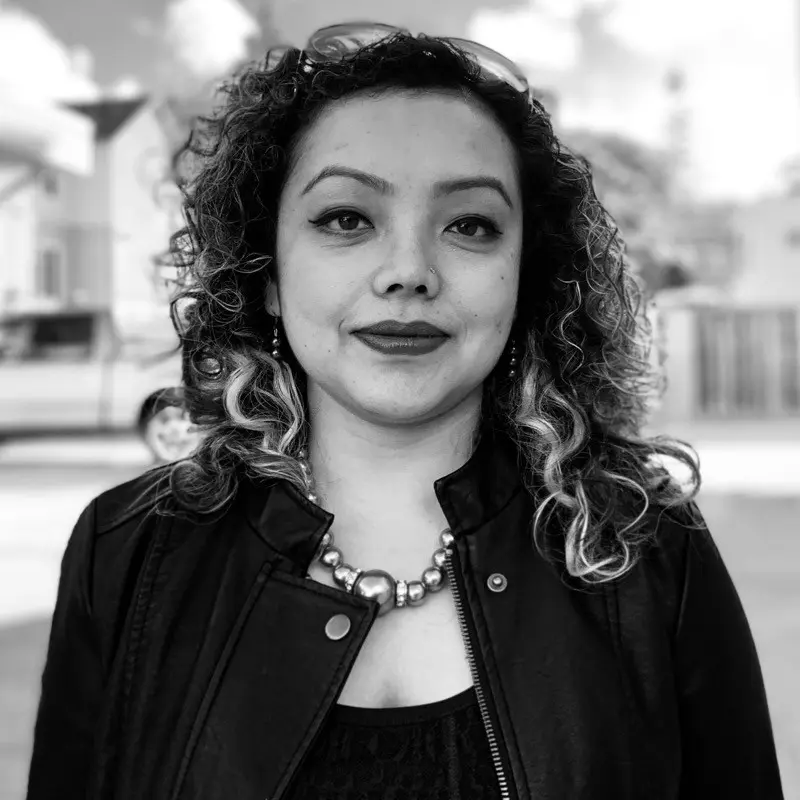
In the series on accomplished scientists, I spoke with Dr. Fariah Mahzabeen. She is currently teaching at North South University out of love for her homeland, having previously taught at San Jose State University in the United States. Notably, Fariah Mahzabeen was once my student, and I felt immense pride interviewing my former student. Although many people leave Bangladesh to pursue higher education abroad, there are also many, like Fariah, who are inspired by patriotism to return and dedicate themselves to their country. Finding Fariah among these extraordinary and passionate individuals truly fills me with pride. Indeed, scientists like Dr. Fariah Mahzabeen are a source of pride for us all. Please read the interview with Dr. Fariah Mahzabeen below:
First, please tell us a bit about yourself.
I am currently an Assistant Professor in the Department of Electrical and Computer Engineering (ECE) at North South University, Bangladesh. Before joining here, I was a tenure-track Assistant Professor at San Jose State University in the United States. I have also worked at Alphabet Inc. and Google Cloud as a Hardware Engineer and Technical Program Manager.
I completed my MS, PhD, and postdoc in Electrical Engineering at Stanford University, USA, on a full scholarship (“Fulbright” and “Faculty for the Future” fellowships). My PhD and postdoctoral research focused on the design of a biosensor for point-of-care blood diagnostics. This work was selected for a NASA grant, through which we further developed the biosensor for monitoring astronauts’ personal health. This research involved a variety of topics, from semiconductor and optical sensor design to clinical pilot studies.
What is your research focus?
Digital health is a vast field. It connects various areas of STEM, hardware, and software, and I am especially interested in interdisciplinary research. Interdisciplinary research means that instead of focusing only on a single area of expertise, we look at how different fields can be integrated to solve a problem. My current research projects encourage students to focus on solving challenging and meaningful problems. For example:
1. Assessing the usability of existing smartwatches for the elderly population in lower-middle-income countries like Bangladesh. The first stage of this research is to evaluate the barriers to adoption of wearable devices such as smartwatches among seniors, who stand to benefit the most from such home monitoring technology. In the next stage, we will use these findings to develop an affordable, customized, user-friendly watch for the older generation.
2. Developing a biosensor for field detection of typhoid bacteria. This project is in collaboration with the Child Health Research Foundation of Bangladesh, where our sensor will be able to detect bacteria more quickly and efficiently, enabling easier implementation of preventive measures for typhoid.
3. Using AI (Artificial Intelligence) and patient data from IRB (“Institutional Review Board”) (possibly EHR: Electronic Health Records or hospital-stored electronic health records) to predict the risk of heat-related illnesses.
4. Detecting glaucoma using machine learning models. Glaucoma is an eye disease where increased intraocular pressure (pressure inside the eye) can damage the optic nerve. The optic nerve transmits visual information from the eye to the brain, so damage to this nerve can gradually reduce vision and even lead to permanent blindness.
5. Developing fall detection monitoring sensors for the elderly, i.e., to provide alerts when an older person falls out of bed.
6. Home-based cardiac risk monitoring using multiple sensors and machine learning. Monitoring heart disease risk is extremely important for reducing risk and maintaining cardiac health. Through regular health checkups and controlling risk factors, the chances of heart disease can be significantly reduced.
7. Detection of multiple skin diseases using smartphone images and machine learning: By capturing images of skin using a smartphone camera and analyzing them with machine learning and deep learning algorithms, skin conditions can be identified automatically. Researchers believe this technology will open new horizons in healthcare delivery, especially in rural areas where dermatologists are scarce.
What qualities do you think a scientist should have?
I believe a scientist should have the following 7 qualities:
1. Perseverance in finding a way through challenges and uncertainty: Research naturally comes with many types of challenges and uncertainty. This quality refers to the mental strength and resilience that help you overcome these obstacles and stay on the right path. It means staying steady in adverse situations and having the capacity to find solutions.
2. A lifelong passion for learning: This is a mindset where you are always eager to learn something new. It means embracing learning at every stage of life and always striving for self-improvement. Through continuous learning, you can enrich and empower yourself over time.
3. Focus and adaptability: The ability to give full attention to specific goals and adapt yourself according to circumstances. This means maintaining concentration on your work and responding effectively in a changing environment.
4. Technical skills for deep and broad thinking: Having deep technical knowledge and the ability to apply it in various contexts. This includes critical thinking, problem-solving, and the ability to generate innovative ideas.
5. Awareness of technology and society: Being knowledgeable about current technological advancements while also understanding social impacts and responsibilities. It means having a comprehensive understanding of technology’s use and implications, and a desire to apply it for the betterment of society.
6. Collaboration and communication: Working together with researchers and specialists from various fields and establishing effective communication. This indicates the necessary communication skills and collaborative mindset required for success in teamwork.
7. Patience: Staying calm and composed even in the face of adversity or delays. This means having the ability to wait for long-term goals and to keep working hard toward them.
What message or advice do you have for young students in Bangladesh who want to pursue a career in science?
In today’s era of the internet and artificial intelligence, science and innovation are no longer limited by borders.
There is an incredible strength among the youth of Bangladesh, which, if channeled effectively, can yield outstanding results. In STEM, young people now have access to virtually all resources needed to learn about emerging technologies. Students should stay updated on current trends and the latest, most impactful innovations in STEM. Today’s innovations require interdisciplinary approaches and research spanning multiple fields—AI/ML, sensors, circuits, IoT, biomedical, mechanical, public health, education, environment—every area is now interconnected. Our students should be aware of this and be interested in engaging with impactful, interdisciplinary projects—and we, as teachers, are always eager to support them on this journey!
Your contact information
fariahmahzabeen @ gmail.com