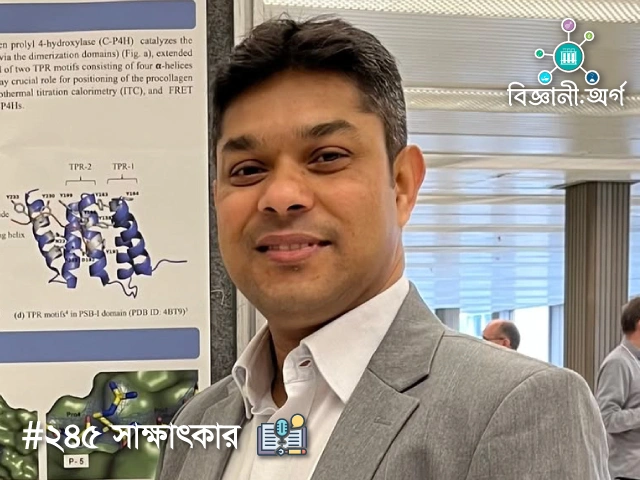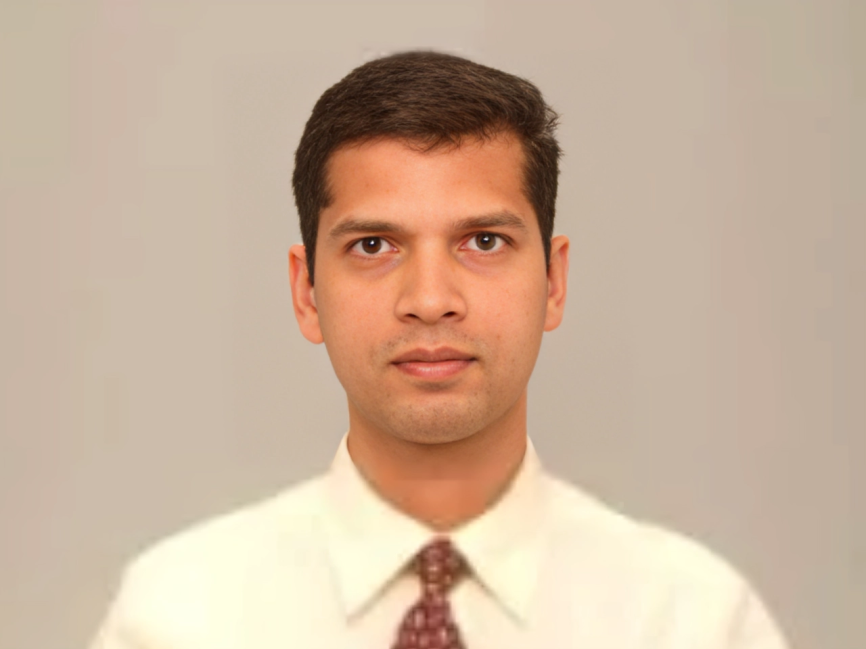
Biggani.org is proud to present an inspiring interview with Dr. Mohammad Khalilur Rahman. His innovative research is advancing fuel cell and lithium-ion battery technologies, playing a significant role in building a sustainable energy future.
The Journey of Curiosity and Excellence
Dr. Rahman’s academic and professional life is a story of inspiration. He began his education at Mirpur Bangla High School and Government Science College and completed his honors and master’s degrees in Chemistry from the University of Dhaka. Though his career started with ACI and Berger Paints, his passion for higher education took him to Yokohama National University in Japan, where he completed his Ph.D. in fuel cells.
After his Ph.D., he worked on lithium-ion battery research at Japan’s AIST. From 2009 to 2011, he worked at the lithium-ion battery company ENAX Inc.
Role at ENAX:
Under the supervision of Dr. Ozawa, who first developed the commercial lithium-ion battery at Sony in 1991, Dr. Rahman had the opportunity to work at ENAX. After retiring from Sony in 1996, Dr. Ozawa established ENAX. While working there, Dr. Rahman collaborated on lithium-ion battery development projects with major companies like Nissan Motor, BMW, Audi, and Schlumberger.
He developed his own innovative know-how for lithium-ion battery electrolytes, which are now used by battery companies in different countries.
Currently, he is working at Suzuki Motor Corporation in Japan, where he is opening new horizons in fuel cell and battery technology research.
Innovative Research: Energy for a Sustainable Future
Fuel Cells: A New Era of Clean Power
Fuel cells are a revolutionary technology that generates electricity through the chemical reaction of hydrogen and oxygen gases. Their only byproducts are water and heat.
Dr. Rahman explains, “Fuel cells are at the heart of sustainable mobility.” This technology is currently used in vehicles by companies like Toyota, Hyundai, and Honda.
His ongoing research focuses on increasing the efficiency and durability of fuel cells, so that they can play a key role in the transition to clean energy.
Lithium-Ion Batteries: Powering Modern Life
Dr. Rahman is working intensively to improve the performance of lithium-ion batteries, the cornerstone of electric vehicles and portable electronics.
He explains:
- During charging, lithium ions transfer from the cathode to the anode.
- During discharge, these ions return to the cathode, releasing energy.
The main materials used in cathodes are:
- Lithium Nickel Cobalt Aluminum Oxide (NCA)
- Lithium Nickel Manganese Cobalt Oxide (NMC)
- Lithium Manganese Oxide (LMO)
- Lithium Cobalt Oxide (LCO)
- Lithium Iron Phosphate (LFP)
Dr. Rahman has also explored alternative materials such as Lithium Titanium Oxide (LTO), which provide higher stability and safety.
The Impact of Research: The Future of Clean Energy
The impact of Dr. Rahman’s research goes far beyond the laboratory; it is shaping a broad future for clean energy systems.
- Fuel Cells: Will help reduce carbon emissions in clean transport and energy systems.
- Lithium-Ion Batteries: Will enhance efficiency in electric vehicles and renewable energy storage.
He says, “Every step in research, no matter how small, is part of a greater vision for a cleaner and more efficient world.”
Qualities of a Scientist: A Mantra of Inspiration
Dr. Rahman believes that to succeed as a scientist, one must possess curiosity, creativity, and perseverance.
Important qualities of a scientist:
- Curiosity: An unquenchable desire to learn new things.
- Creativity: The ability to find innovative solutions to complex problems.
- Perseverance: Moving forward by overcoming obstacles.
- Critical Thinking: An analytical approach to finding effective solutions to problems.
Message for the Youth: Toward a Bright Future
His advice to young researchers:
- Read Malcolm Gladwell’s Outliers and learn about the stories behind success.
- Maintain perseverance to achieve your goals.
- Accept failure as a part of learning.
He encourages youth to explore various fields of science and technology. He says, “Science is not just a profession; it is a way to make meaningful contributions to humanity.”
Pioneering the Path of Innovation
Dr. Mohammad Khalilur Rahman’s journey from Bangladesh to leading the global research platform in Japan serves as an example. His innovative work not only solves scientific challenges but also opens the way for building a sustainable future.
His story inspires us to think boldly, seek innovative solutions, and play a positive role in the advancement of the world.
To learn more about his research, visit his Google Scholar Profile.
Email:[email protected]
The Visionary Scientist Powering the Future: Dr. Mohammad Khalilur Rahman
Biggani.org presents an exclusive interview with Dr. Mohammad Khalilur Rahman, a trailblazing researcher whose groundbreaking contributions to fuel cells and lithium-ion battery technologies are shaping the future of sustainable energy.
A Journey Rooted in Curiosity and Excellence
Dr. Rahman’s academic and professional journey is nothing short of inspiring. After completing his early education at Mirpur Bangla High School and Government Science College, he pursued a degree in Chemistry from the University of Dhaka. His professional career began with roles at ACI and Berger Paints, but his passion for higher studies led him to Yokohama National University in Japan, where he earned his Ph.D. in Fuel Cells.
After completing his Ph.D., Dr. Rahman joined Japan’s AIST (National Institute of Advanced Industrial Science and Technology), where he worked on lithium-ion battery research. From 2009 to 2011, he worked at the lithium-ion battery company ENAX Inc., gaining invaluable experience in collaboration with global leaders.
Role at ENAX:
Under the mentorship of Dr. Kazunori Ozawa, the father of the first commercial lithium-ion battery (developed at Sony in 1991), Dr. Rahman joined ENAX, a company Dr. Ozawa founded after retiring from Sony in 1996. At ENAX, Dr. Rahman worked with major global companies such as Nissan Motor, BMW, Audi, Schlumberger, and others on joint lithium-ion battery development projects.
He also developed innovative know-how related to lithium-ion battery electrolytes, which are now widely used by several battery companies in various countries.
Currently, Dr. Rahman is contributing to groundbreaking research at Suzuki Motor Corporation in Japan, where he continues to advance the fields of fuel cell and battery technologies.
Innovative Research: The Power Behind the Future
Fuel Cells: Clean Energy for Tomorrow
Fuel cells are a game-changing technology, and Dr. Rahman’s expertise has been instrumental in advancing this field. These electrochemical cells use hydrogen and oxygen to generate electricity, with water and heat as their only byproducts. Unlike traditional combustion-based energy sources, fuel cells are highly efficient, environmentally friendly, and have the potential to revolutionize energy systems.
Dr. Rahman highlights their importance, stating, “Fuel cells are the heart of sustainable mobility.” They are already being adopted by global automotive giants like Toyota (with its Mirai fuel cell vehicle), Hyundai, and Honda. The scalability of fuel cells also makes them suitable for diverse applications, from powering vehicles to providing energy for homes and industries.
His ongoing research aims to enhance the efficiency and durability of fuel cells, ensuring they become a cornerstone of the clean energy transition.
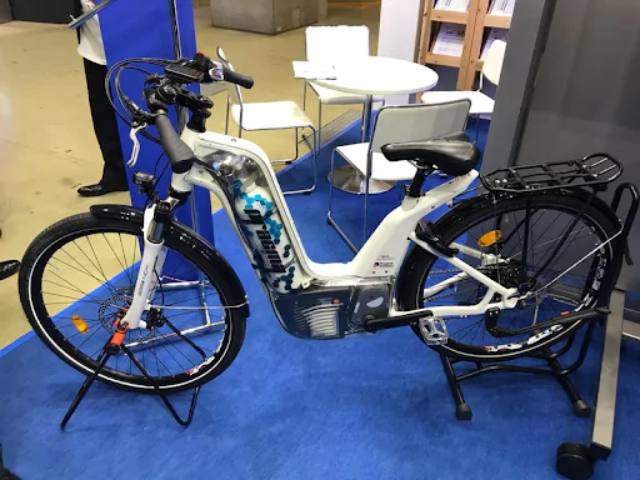
Fuel Cell Bicycle
Lithium-Ion Batteries: Powering Modern Life
Lithium-ion batteries, a cornerstone of portable electronics and electric vehicles, owe their efficiency to innovative materials and processes. Dr. Rahman has worked extensively to enhance the performance and safety of these batteries.
He elaborates on the science behind these batteries:
- During charging, lithium ions migrate from the cathode to the anode, where they are stored as lithium metal in a graphite-based structure.
- During discharging, these ions return to the cathode, releasing energy.
ey materials used in the cathodes include:
- Lithium Nickel Cobalt Aluminum Oxide (NCA)
- Lithium Nickel Manganese Cobalt Oxide (NMC)
- Lithium Manganese Oxide (LMO)
- Lithium Cobalt Oxide (LCO)
- Lithium Iron Phosphate (LFP)
Dr. Rahman has also explored alternatives like Lithium Titanium Oxide (LTO) for anodes, which offer greater stability and safety. His innovative techniques have been implemented in Japan and China, contributing to advancements in electric vehicles and renewable energy storage systems.
Impact Beyond the Lab: A Vision for the Future
Dr. Rahman’s work in fuel cells and lithium-ion batteries has far-reaching implications. By focusing on cost-effective, scalable solutions, his innovations make these technologies accessible to a broader audience.
For fuel cells, his contributions promise cleaner transportation and energy systems, significantly reducing carbon emissions. For lithium-ion batteries, his research enhances the performance of electric vehicles and renewable energy storage, supporting the global shift toward sustainability.
“Every step in research, no matter how small, contributes to a larger vision for a cleaner, more efficient world,” he says.
essons from a Visionary: What Makes a Great Scientist?
Dr. Rahman believes that success in science stems from a combination of curiosity, creativity, and perseverance. According to him, the essential qualities of a scientist include:
- Curiosity: An insatiable desire to learn and explore.
- Creativity: The ability to think innovatively and solve complex problems.
- Resilience: Overcoming setbacks and continuing to push boundaries.
- Critical Thinking: Approaching challenges analytically to find effective solutions.
He also emphasizes the importance of mentorship and collaboration, drawing inspiration from his time with Dr. Ozawa, the “father of commercial lithium-ion batteries,” who played a pivotal role in his career.
Words of Wisdom for Aspiring Scientists
To young researchers, especially in Bangladesh, Dr. Rahman offers profound advice:
- Read Malcolm Gladwell’s Outliers to understand the factors behind success.
- Be persistent in the pursuit of your goals.
- Embrace failures as stepping stones to success.
He encourages students to explore diverse fields of science and technology, adding, “Science is not just a career; it’s a way to make meaningful contributions to humanity.”
A Legacy of Innovation and Inspiration
Dr. Mohammad Khalilur Rahman’s journey from Bangladesh to becoming a global leader in energy research exemplifies the transformative power of science. His groundbreaking contributions to fuel cells and lithium-ion batteries not only address critical challenges but also set the stage for a sustainable future.
Through his work, he continues to inspire young minds to dream big and take bold steps in the world of science and innovation.
For more about Dr. Rahman’s groundbreaking research, visit his Google Scholar Profile.
Let his story motivate you to think critically, innovate boldly, and contribute meaningfully to the world.