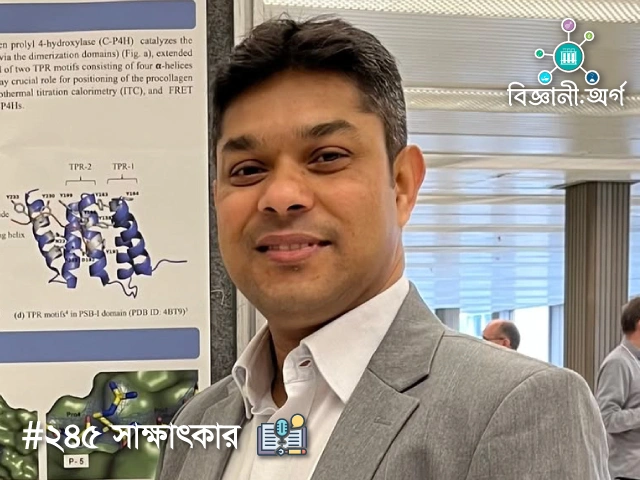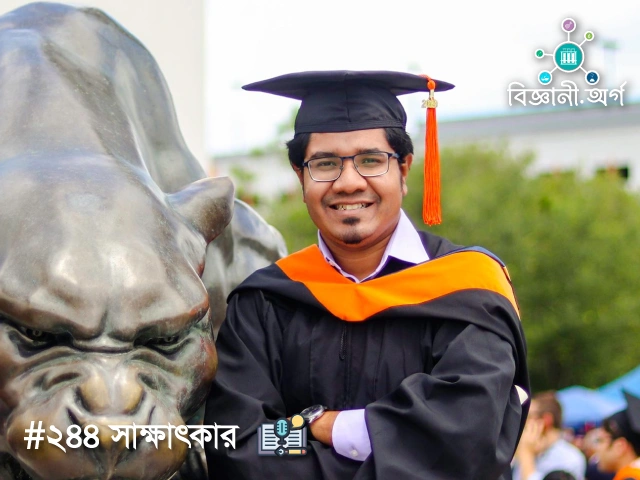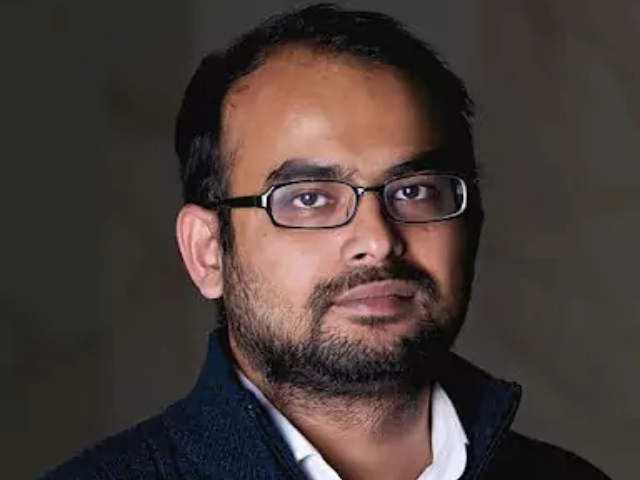
He once dreamed of science as a child, and today he has turned that dream into reality. We are speaking with Dr. Ashiqur Rahman—a biologist whose every step is dedicated to improving people’s quality of life. His story is full of world-class research, the strength to overcome failures, and inspiration for the next generation.
How did it all begin?
His journey in science started at Notre Dame College. He then completed his postgraduation in Microbiology at the University of Dhaka. But that was not the end for him. He went on to complete a Ph.D. in cardiovascular biology and angiogenesis at Kumamoto University in Japan.
Along this path, he worked as a postdoctoral researcher at Harvard Medical School, conducting research on cardiovascular disease and oncology. These research experiences inspired him to play a crucial role in world-class drug development.
As a result of this inspiration, he joined Takeda Pharmaceutical Company as a Scientist, taking part in cell and gene therapy drug development for rare diseases. Afterwards, he worked as a Team Lead at Novo Nordisk and is now a Senior Scientist at Astellas, leading projects in autoimmune and oncology-based cell therapy.
He has over 15 years of research experience. During this time, he gained expertise in cell and molecular biology, preclinical project development, and large-scale drug development. However, he views research not just as a profession, but as an essential way to improve human quality of life.
The Main Goal of His Research:
The main field of Dr. Ashiqur’s research is cell and gene therapy. This is a modern treatment approach that uses cells and genes to eliminate the root causes of complex diseases. As he explains, “For example, if someone cannot produce blood, we develop therapies that activate the cells to restore their ability to make blood.”
His research also focuses on developing therapies that strengthen cells to fight cancer (oncology), and repairing the body’s own immune system in autoimmune diseases.
How does it work?
The main objective is to develop treatments that can repair the body’s own cells and boost the immune system’s capabilities. This research is especially effective for diseases with limited or no traditional treatments.
Cell therapy:
This is a process where special types of cells are collected from the patient or a donor. These cells are then enhanced in the lab and reintroduced into the body, so they can fight the disease more effectively.
Gene therapy:
Here, the problems within the genes are repaired. For example, if a disease is caused by a faulty gene, that gene can be corrected or replaced to cure the disease.
Example:
For example, if a patient’s body cannot produce enough blood, I develop therapies that use cells or genes to restore the body’s ability to make blood.
The main aim of this research is to make future treatments more advanced and effective. These therapies are designed to not just reduce symptoms, but to eliminate the root causes of diseases.
Research Experience: Lessons from Failure:
Just as research brings success, it also comes with failures. While working at Harvard Medical School, he faced many challenges during an important project.
“The initial results did not meet our expectations. But I learned that every failure is actually a chance to discover a new path. With patience and persistent effort, we eventually uncovered a mechanism that will contribute to future drug development,” he says.
The Potential Impact of Research:
Dr. Ashiqur’s research is opening new horizons for the treatment of complex diseases. His work is creating new therapeutic avenues for conditions where existing treatments are limited or ineffective. The results of this research will play an important role for people in Bangladesh as well as around the world.
1. Treatment of complex diseases:
Through cell and gene therapy, he is working on advanced treatments for autoimmune diseases, cancer, and rare diseases. For example, in complex diseases like diabetes and cancer, therapies are being developed that can strengthen the body’s immune system and repair the underlying causes.
2. Personalized Medicine:
Dr. Ashiqur’s research is making it possible to design treatments tailored to each patient’s needs. This will make therapies more effective and safer.
3. Solutions for genetic diseases:
For diseases caused by genetic mutations, such as thalassemia or some neurological conditions, his research focuses on developing new technologies to repair those defects.
4. Next-generation advanced therapeutics:
His work will help create a future where patients won’t just manage diseases with medication, but will be able to fully recover.
5. Advancing healthcare in Bangladesh:
World-class treatment options will become available in Bangladesh. For example, cell and gene therapy could make the treatment of rare diseases in Bangladesh easier and more affordable.
Dr. Ashiqur believes that his research will help ensure improved healthcare for the people of Bangladesh in the future and unlock new possibilities in medical science.
The Qualities of a Scientist: The Key to Success:
According to Dr. Ashiqur Rahman, to be a successful scientist, one needs not only intelligence or skills, but certain special qualities that make a scientist creative and dedicated to the welfare of humanity.
1. An inquisitive mind
The main strength of a scientist is curiosity. The drive to find answers to “why,” “how,” and “why not” leads them to discover new things.
2. Patience and perseverance
The path of research is never easy. There will be challenges, and there will be failures. Dr. Ashiqur believes patience and resilience are what bring a scientist to the threshold of success.
3. Problem-solving skills
The ability to effectively address complex challenges is one of a scientist’s most important qualities. Critical thinking and analytical skills are the keys to developing this ability.
4. Creativity
The ability to think differently and find unconventional solutions makes a scientist unique. It is through creativity that new avenues in research are uncovered.
5. Collaboration and teamwork
Scientific advancement is a result of collective endeavor. Dr. Ashiqur believes strong communication and teamwork can enhance a scientist’s reach.
6. Integrity and ethics
Upholding honesty and ethical principles in research is essential. Presenting accurate information and following ethical guidelines are fundamental responsibilities for a scientist.
7. Love for learning
A scientist is always eager to learn new things. Staying updated with recent advancements and exploring new fields are prerequisites for successful research.
8. Self-management skills
Research sometimes requires individual effort, other times teamwork. Therefore, self-motivation and time management are vital for enhancing efficiency.
Dr. Ashiqur tells the new generation of scientists: “Don’t fear failure—develop a mindset to learn from it. Believe in yourselves and work for the betterment of humanity through science.”
These qualities are not only crucial for personal excellence but are essential for the greater good of society.
Message for the youth of Bangladesh
Dr. Ashiqur believes that young people in Bangladesh can take science forward. He says:
“Dream and work towards fulfilling your dreams.
Develop the habit of asking questions.
Use science for the welfare of humanity.”
Plans and hopes for the future
Dr. Ashiqur Rahman’s aspiration is not just scientific progress, but also making world-class treatments accessible to people in Bangladesh. He firmly believes, “Through cell and gene therapy, it is possible to open new, affordable, and effective treatment options for rare diseases in Bangladesh.”
According to him, if the talent and energy of young people are utilized with proper guidance, Bangladesh can achieve global excellence in science and technology. However, to do this, developing a research culture is extremely important.
Recommendations for youth
Dr. Ashiqur believes some fundamental reforms in the education system are needed for the advancement of science and research in Bangladesh. He points out some important areas which will help build a brighter future for the youth:
Increasing research opportunities:
Establishing more modern research labs in universities and expanding opportunities for students to participate in research. Research grants and funding should also be increased.
Hands-on learning opportunities:
Science shouldn’t be limited to books. Hands-on training and practical experiments should be increased in schools, colleges, and universities.
Fostering innovative and entrepreneurial mindsets:
Youth should develop a mindset that encourages them to create new products or services based on their knowledge.
International collaboration and mentorship:
Scholarship programs, international conferences, and mentorship opportunities should be expanded so that young scientists can establish themselves globally.
Science awareness:
The general public needs to be made aware of science so that they realize the importance of investing in research and how it can improve quality of life.
Dr. Ashiqur’s Message for Science and the Youth:
“Our youth are intelligent and full of potential. With proper guidance, opportunity, and support, they can lead scientific initiatives not just in Bangladesh, but around the world.”
According to Dr. Ashiqur, research has the power to transform societies. Through his proposals, he has expressed hope for an advanced, science-driven future.
Addressing the next generation, he says, “Love science, dream big, and move forward with courage. Because one day, the world will change through your hands.”
Dr. Ashiqur’s Profile
LinkedIn:
http://www.linkedin.com/in/hnashiqurrahman
His story is not just the tale of one scientist’s success; it’s a journey that will guide the next generation. Scientists like him are exemplary for both Bangladesh and the world.
Transforming Lives Through Research: The Inspiring Journey of Dr. Ashiqur Rahman!
What begins as a dream in childhood often shapes the legacy of a lifetime. This is the story of Dr. Ashiqur Rahman, a visionary biologist whose work in cell and gene therapy is revolutionizing the way we approach complex diseases. His journey is a testament to the power of perseverance, innovation, and the relentless pursuit of a better future.
The Beginnings of a Remarkable Journey:
Dr. Rahman’s academic pursuit started at Notre Dame College, where his passion for science took root. He later completed his postgraduate studies in Microbiology at the University of Dhaka, setting the foundation for his global scientific endeavors.
Refusing to rest on his laurels, he pursued a Ph.D. in Cardiovascular Biology and Angiogenesis at Kumamoto University, Japan. This journey of excellence led him to Harvard Medical School, where he worked as a postdoctoral researcher, focusing on groundbreaking studies in cardiovascular disease and oncology.
His illustrious career includes impactful roles at global pharmaceutical giants. As a Scientist at Takeda Pharmaceutical Company, he contributed to developing cell and gene therapies for rare diseases. Later, at Novo Nordisk, he led teams to advance novel treatments, and now, as a Senior Scientist at Astellas, he spearheads projects in autoimmune and oncology-based cell therapy.
With over 15 years of experience, Dr. Rahman excels in cell and molecular biology, preclinical project development, and large-scale drug development. For him, science is more than a profession; it’s a mission to improve human lives.
The Core Focus of His Research:
At the heart of Dr. Rahman’s work lies the transformative potential of cell and gene therapy—a field poised to redefine modern medicine.
“Imagine a patient unable to produce enough blood,” he explains. “We develop therapies that activate cells to restore this ability, effectively tackling the root cause of the problem.”
His research also focuses on developing therapies to enhance immune responses in autoimmune diseases like diabetes and arthritis, as well as strengthening cellular mechanisms to fight cancer effectively.
How It Works
Cell Therapy:
Special cells are collected from the patient or a donor, enhanced in laboratories, and reintroduced to the body to fight diseases more effectively.
Gene Therapy:
Genetic anomalies are corrected by modifying faulty genes, providing a permanent solution to underlying conditions.
For example, gene therapy can repair genetic defects causing conditions like thalassemia or neurological disorders, ensuring a patient’s body functions normally.
This cutting-edge research aims not only to treat symptoms but to eradicate the root causes of diseases, bringing new hope to countless lives.
Learning from Challenges: Turning Failures into Opportunities:
Dr. Rahman emphasizes that research often involves navigating failures. While working on a challenging project at Harvard Medical School, the initial results fell short of expectations.
“Every failure is an opportunity to explore new perspectives,” he shares. By revisiting their approach and fostering collaboration, his team uncovered a mechanism with the potential to revolutionize future drug development.
The Impact of His Research:
Dr. Rahman’s groundbreaking work addresses some of the most pressing medical challenges:
Treating Complex Diseases:
His cell and gene therapy research has paved the way for advanced treatments of autoimmune diseases, cancer, and rare conditions.
Personalized Medicine:
Developing tailored therapies specific to an individual’s needs ensures safer and more effective treatments.
Solving Genetic Disorders:
His innovations in correcting genetic defects hold promise for curing conditions like thalassemia and other hereditary diseases.
A Brighter Future:
Dr. Rahman envisions a world where patients recover fully rather than merely managing their conditions.
Advancing Healthcare in Bangladesh:
By introducing cutting-edge therapies like cell and gene therapy, his work aims to make high-quality healthcare accessible and affordable in Bangladesh.
The Traits of a Successful Scientist:
Dr. Rahman believes that becoming a successful scientist requires more than intellect. It demands a unique set of qualities:
Curiosity: The drive to ask “why” and seek answers:
Patience and Perseverance: Overcoming failures and continuing to push boundaries.
Problem-Solving Skills: Using critical and analytical thinking to find innovative solutions.
Creativity: Thinking outside the box to open new avenues in research.
Collaboration: Science thrives on teamwork and effective communication.
Integrity: Upholding ethical standards in every step of research.
Lifelong Learning: Staying updated with the latest advancements and continuously seeking knowledge.
Message for Aspiring Scientists:
Dr. Rahman encourages young scientists, particularly in Bangladesh, to embrace challenges and pursue their dreams with determination:
“Dream big and work tirelessly to achieve your goals.”
“Cultivate curiosity—ask questions and seek answers.”
“Science is not just a career; it’s a way to make meaningful contributions to humanity.”
Vision for the Future:
Dr. Rahman’s aspirations go beyond personal achievement. He envisions a future where advanced therapies are accessible to all, including underserved communities in Bangladesh.
“I firmly believe that cell and gene therapy can open affordable and effective treatment options for rare diseases in Bangladesh,” he says.
He stresses the importance of nurturing research culture in Bangladesh through initiatives like:
Expanding research opportunities and funding.
Encouraging hands-on training in schools and universities.
Promoting innovation and entrepreneurship.
Building international collaborations and mentorship programs.
Raising awareness about the importance of science and research.
Inspiration for Generations:
Dr. Rahman’s story is not just about his success—it’s a beacon of hope for future scientists. He stands as a testament to what is possible with passion, persistence, and a vision to create meaningful change.
As he puts it, “Science has the power to transform lives and societies. Dream big, work hard, and let your efforts shape a better world for all.”
Connect with Dr. Rahman:
LinkedIn Profile
http://www.linkedin.com/in/hnashiqurrahman
His journey inspires us to believe in the power of science to create a brighter, healthier, and more equitable future for all.