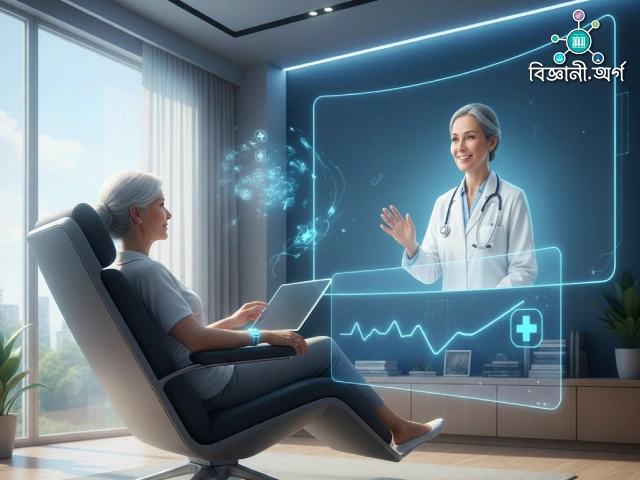
In the early days of the pandemic, we thought of telehealth as a temporary solution for emergencies—a kind of digital bandaid set up for just a short time. But three years later, reality has brought scientists to an unexpected truth: telehealth is not just an alternative, but one of the lasting pillars of future healthcare. Recent research by the US-based health data company athenahealth has shown that chronic patients (those with long-term illnesses) are 88 percent more interested in using telehealth than their healthy peers. This figure is not just a trend—it is a reflection of changing health awareness, habits, and trust.
The study included nearly two thousand US citizens, spanning from early 2019 to mid-2022. When the first wave of the pandemic led to the partial closure of hospitals and clinics, virtual visits quickly became mainstream in healthcare. In the spring of 2020, about 12 percent of all healthcare visits were online—meaning the doctor was on the other side of a smartphone or computer screen. As the pandemic subsided, this rate dropped somewhat, coming down to 8.9 percent in the first half of 2022. But the research suggests that within this reduced percentage lies the true success of telehealth—it is no longer an emergency alternative, but a complementary part of the healthcare system.
Why are chronic patients relying so heavily on telehealth? The first reason is immediate access to care when needed. The survey found that 23 percent of patients use telehealth for regular check-ins or follow-ups, and 9 percent use it for emergencies or sudden issues. For those living with chronic illness, regular monitoring of medication side effects, lifestyle changes, or fluctuations in blood pressure or blood sugar is extremely important. Telehealth bridges this gap, making it possible to consult a doctor from home within just a few minutes.
There are also notable gender differences in telehealth usage patterns. According to the study, women use telehealth more than men. The usage rate among men is 15 percent lower than among women. Even more surprising—a patient whose primary care doctor is a man is 60 percent less likely to use telehealth compared to those whose doctor is a woman. Why this difference? Experts believe female physicians are more proactive in encouraging online communication with patients and are generally more comfortable with relational, dialogue-based care through digital channels.
There is also diversity in telehealth usage based on ethnicity. Although Black and Hispanic patients use telehealth more, they tend not to stay consistently connected to a single physician. In other words, their telehealth experience is fragmented and less continuous—which can pose obstacles to long-term healthcare. These findings are crucial in health equity discussions, because while telehealth is easily accessible, high-quality and consistent use is not equal across all communities.
Mental health services are another significant advancement brought by telehealth. The survey showed that 25 percent of patients have used telehealth for mental health reasons, and 23 percent of these patients are interested in continuing with virtual care in the future. Social stigma around mental health or the embarrassment of publicly visiting a clinic often deters patients from seeking help. Virtual visits have broken down these psychological barriers, making care easier and more accessible.
The main takeaway from the research is clear—telehealth has become a powerful tool in healthcare. It is by no means a replacement for in-person treatment, but its importance as a supplement to traditional care is increasing day by day. Jessica Sweeney-Platt, Vice President of Research and Strategy at athenahealth, states that telehealth does not harm the patient-doctor relationship; instead, it creates new types of connections that make care more human and more accessible.
In the end, the question is not technology versus traditional medicine; rather, it is how to integrate the two so that patients benefit the most. Whether someone is a chronic patient, seeking mental health support, or just managing a busy urban lifestyle—telehealth has opened a new door of possibilities for everyone. As digital healthcare rapidly expands in Bangladesh as well, these global studies provide us with important guidance: healthcare is no longer limited to four walls—it is now reaching people’s homes, right in their hands, across their screens.