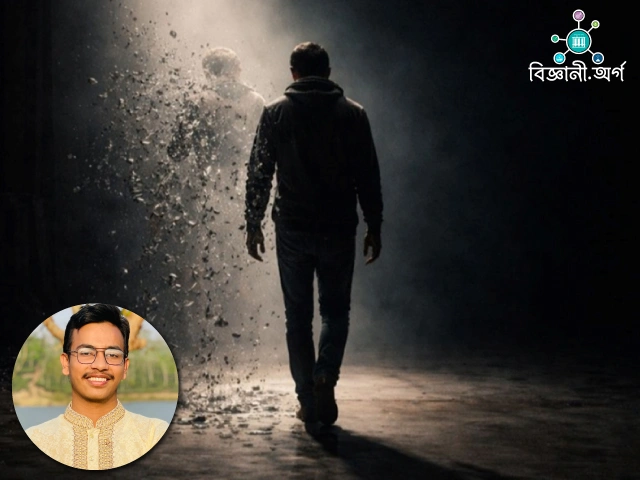
The sound of a heart stopping is very faint. A straight line on a machine. Suddenly, silence all around. Everyone assumes this is the end. But inside, in the dark room of the mind, nothing stops just yet.
The brain is reluctant to believe at first. For so many years, the body has obeyed its commands—why is it not listening now? That question races like electricity through the neurons. Oxygen dwindles, blood no longer rises, yet the neurons flare up one last time before dying. Just as the eyes suddenly seek light before darkness falls, so too does the brain try desperately to grasp something in the final moment.
Time becomes strangely distorted. The difference between seconds and minutes vanishes. For a moment, it feels as if everything is paused; the next, as if ages have passed. Doors of memory open one after another: a childhood room, words spoken on some dusky evening, an unspoken truth. The question arises—are these a final farewell, or simply the brain’s panicked imagination?
Suddenly, it feels as if one’s own body lies far away—cold, motionless, unfamiliar. Someone is pressing on the chest, calling out the name, declaring that the person is gone. It’s the words “no longer” that are most terrifying. Because inside, there is still someone present, still listening, understanding, but unable to scream. Like being buried alive.
A chemical storm erupts from lack of oxygen. Endorphins flood the pain with strange peace, masking the fear. Some see light, some, deep darkness. Yet behind this calm, a question writhes: Is this truly the end? Or just the wait before the end?
The most terrifying moment comes when the brain finally realizes that the body will not return. This understanding does not arrive suddenly. It’s a slow, settling awareness. The neurons extinguish one by one, but until they go out, they bear witness to their own demise. The last conscious thought may be an ordinary name, a face, or perhaps an unfinished regret.
On the outside, everyone assumes the person is gone. Inside, someone is still trapped in the final corner of time, with no path forward, and none to turn back. This empty space is the most frightening—the in-between moment of death.
When the final neuron fades, nothing remains. No light, no sound, no thought. Yet the question still lingers in the air: does death really come instantly, or do people, in their last seconds, feel their own ending with crystalline clarity?
Perhaps we will never know. Those who know never return. And those who return cannot tell it all.
Md. Iftekhar Hossain
2nd Year MBBS, Cox’s Bazar Medical College, Bangladesh |
Main areas of interest: behavioral science, neuroscience, and habit formation.