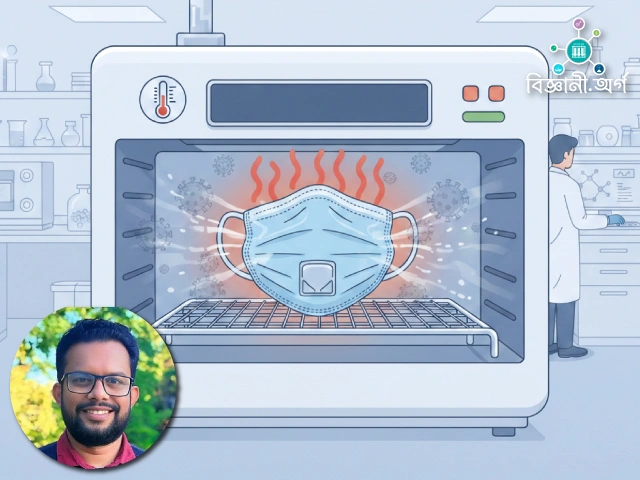
In a recent interview with biggani.org, Dr. Mohammad Sagor Hossain discussed his significant research experience during the COVID-19 pandemic. At that time, there was a sudden surge in demand for health supplies worldwide, especially surgical masks. The supply chains in various countries broke down, making it difficult even in nations like New Zealand to obtain enough masks. Out of this crisis, a research initiative emerged involving Dr. Sagor Hossain.
In the interview, he stated that at the beginning of the pandemic, surgical masks were generally considered single-use items. However, in practice, it was often seen that masks still appeared intact after one use. This raised the question—was it scientifically possible to safely reuse these masks multiple times? At that time, although the World Health Organization mentioned the possibility of reuse in various places, there was not enough scientific evidence on this subject. This lack of information highlighted the need for research in this area.
According to Dr. Sagor Hossain’s account, this research was a collaborative effort among multiple universities. The goal was to determine how used surgical masks could be sterilized and whether their material integrity remained intact after sterilization. He said the first step was to ensure that any germs or microbes on the mask could be destroyed. The next step was to assess whether this process damaged the mask’s materials—in other words, whether the mask remained reusable.
The method he described in the interview could be applied in a household setting. A protocol was developed for sterilizing used surgical masks by heating them at a specific temperature for a set period. Through this process, harmful microbes on the mask could be destroyed; meanwhile, materials scientists were responsible for ensuring that this heat did not excessively damage the internal structure of the mask.
Dr. Sagor Hossain said that one major aspect of this research was its practical application. The laboratory findings were swiftly implemented in hospitals, enabling more effective use of limited resources during the crisis. He also shared his personal feelings in the interview, explaining that at the beginning of the pandemic, he felt somewhat helpless, as he could not directly contribute to combating COVID. By joining this project, he realized that it was possible to make a tangible contribution during a real crisis through research.
This experience clarifies an important point—science is not always confined to the laboratory. When the findings of research are rapidly implemented during times of crisis, they can have a direct impact on people’s lives. Dr. Mohammad Sagor Hossain’s experience, shared in his interview with biggani.org, encourages us to rethink the role of scientists during a pandemic.
For more details on this discussion, readers can view the full interview with Dr. Mohammad Sagor Hossain published at biggani.org: