
Some people believe that household cats do not want their owners to have children because they do not want to share the food allocated to them. This idea about cats’ psychology is held by some, but no scientific basis for it has ever been found. However, it is scientifically true that pregnant women should avoid caring for cats.
Cats often hunt and eat rodents and other similar animals, which is why their bodies can sometimes host a single-celled parasite called Toxoplasma gondii. This parasite can cause an infectious disease called “toxoplasmosis” in any warm-blooded animal.
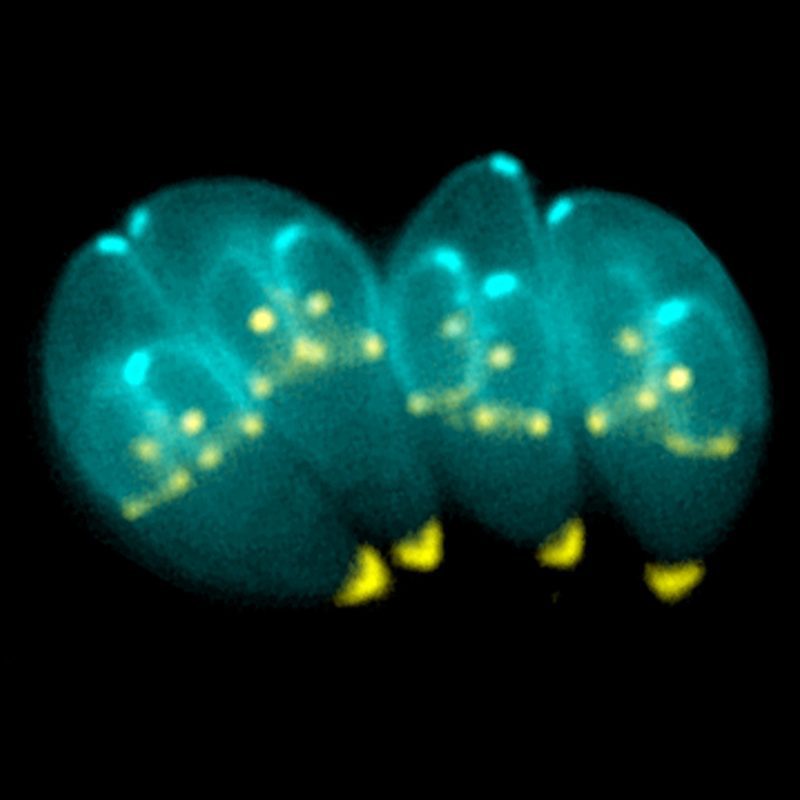
The tendency for this parasite to be found in the bodies of cats is highest because, while it can survive in the bodies of almost all warm-blooded animals, only in cats can it reproduce.
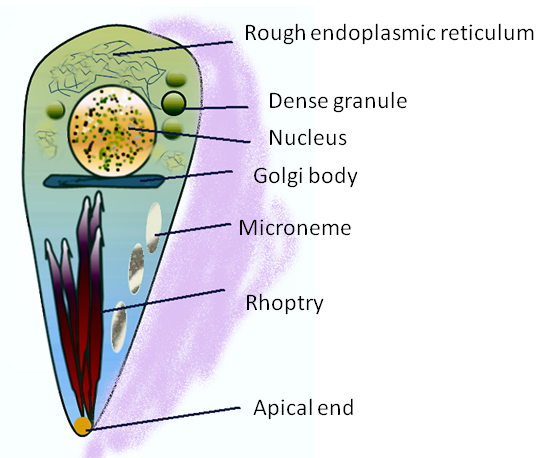
It seems that Toxoplasma gondii engages in a deep conspiracy to ensure its entry into the bodies of cats. It takes shelter in the brains of mice and other rodents, reducing the methylation process (where a methyl group is added to specific genes in the DNA) in the central section of the amygdala—the brain region responsible for fear and behavior. As a result, the hormone vasopressin, produced in the hypothalamus of rodent brains, cannot be converted into arginine vasopressin at a normal rate. This imbalance between vasopressin and arginine vasopressin in the brain significantly reduces rodents’ instinct to avoid their primary predator, the cat, which then seizes the opportunity. Thus, Toxoplasma gondii secures a ticket into the body of the cat. While touching a cat infected with Toxoplasma gondii is not dangerous, humans can easily become infected by coming into contact with the feces of such a cat.
If a pregnant woman becomes infected, the baby in the womb can suffer damage to the eyes or brain. In some cases, even if no problems are found in the newborn, the child may develop blindness or other health issues later in life. That’s why it is better for pregnant women to avoid cats or caring for cats. However, if the cat is kept indoors at all times and only fed dry canned food, the risk is greatly reduced.