News Desk, Biggani.org |
Contact: [email protected]
Background: What is Biological Computing?
When we think of a computer, we imagine a device built on silicon chips that operates according to specific programs. Modern artificial intelligence (AI) has evolved based on these digital computers. However, a special branch of biology – Biological Computing – envisions a system where computing tasks are performed using living cells or biological materials.
The core idea is: since the human brain accomplishes thinking and learning with astounding efficiency, why not create computers using those brain cells (neurons) themselves? This would lead to a form of intelligence that not only processes data but can also learn and adapt.
Biological Computer CL1 – A Revolutionary Innovation
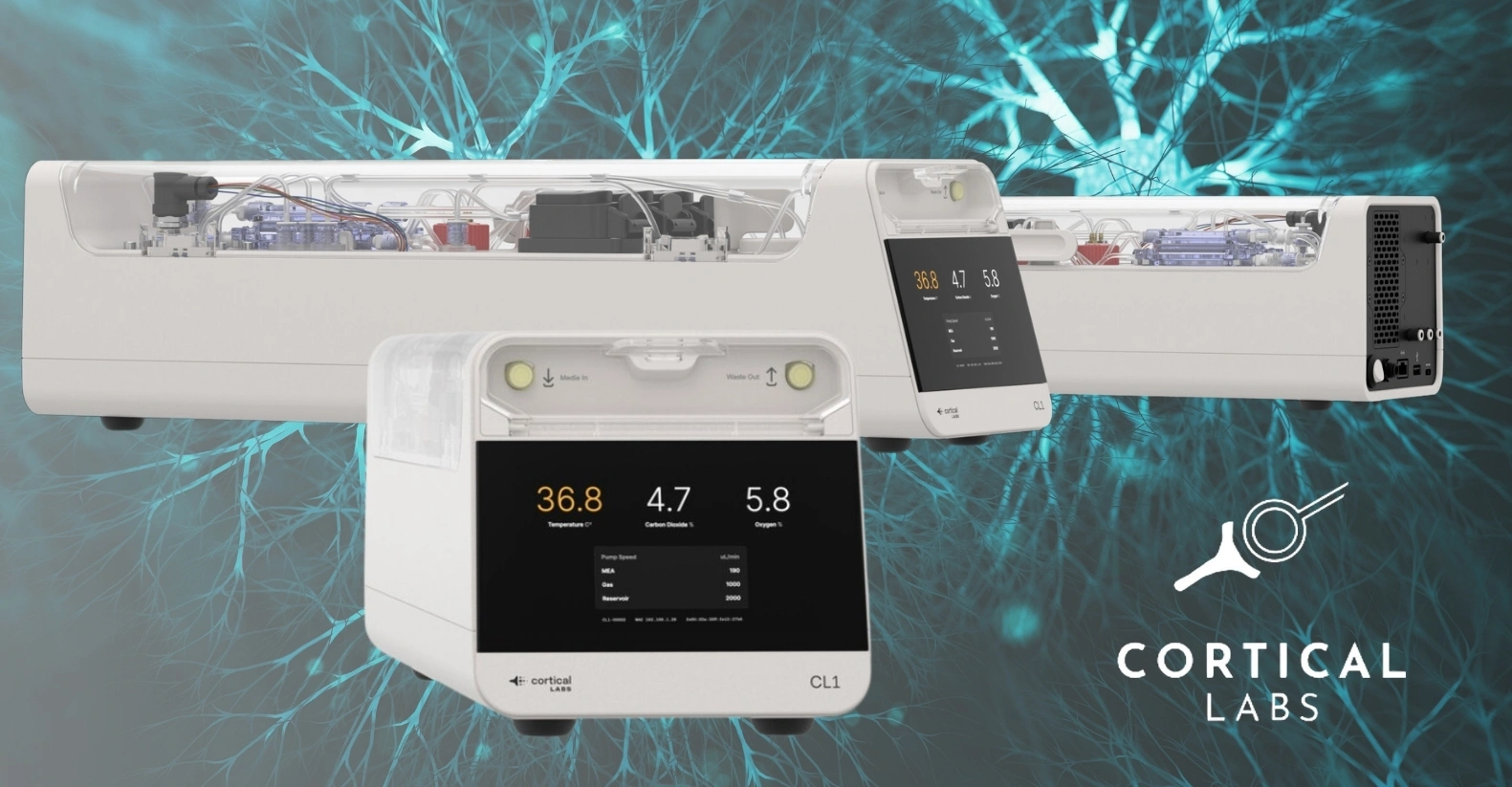
On March 2, 2025, at the Mobile World Congress in Barcelona, Australia-based company Cortical Labs officially announced the world’s first biological computer, CL1.
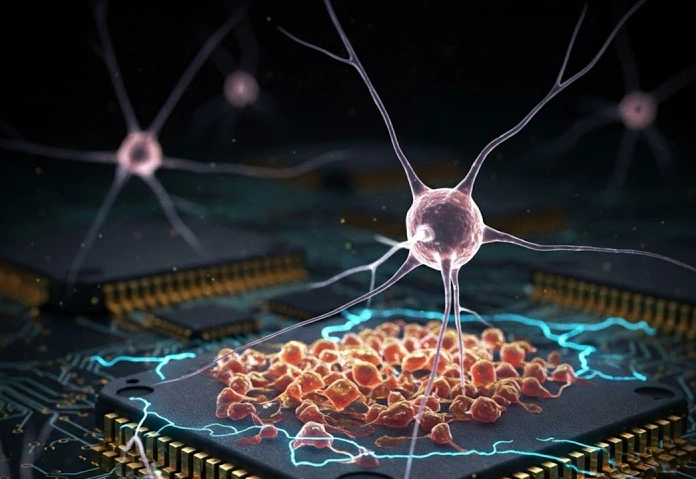
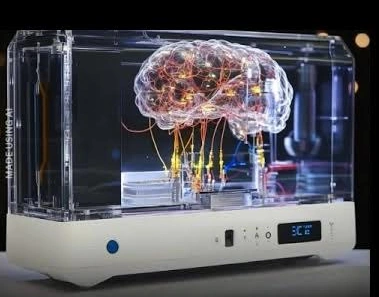
This device is based on the concept of “Synthetic Biological Intelligence (SBI)” – meaning it is a computing system that combines human lab-grown neurons (brain cells) with silicon chips, enabling it to learn from its own experiences.
What makes CL1 special?
- Use of living neurons: CL1 utilizes about 1 million neurons, created from human stem cells in the lab.
- Learning ability: These neurons have already demonstrated their learning process by playing the “Pong” game; now, research applications are expanding into medical research and robotics.
- Energy efficiency: Compared to standard AI chips, CL1 consumes almost one million times less power.
- Affordable cost: The price of CL1 is about $35,000 USD, which is relatively affordable for research institutions.
- Wetware-as-a-Service (WaaS): Through remote cloud access, Cortical Labs is offering researchers around the globe the opportunity to use this computer from anywhere in the world.
How does CL1 work?
CL1 essentially trains neurons so that they can make decisions based on input signals. Unlike traditional mechanical computers that follow set logic, it learns to make decisions autonomously, much like a real human brain.
What is the future of this technology?
Globally, the artificial intelligence market was valued at $450 billion USD in 2024, and it’s projected to surpass $1.5 trillion by 2030. In this context, biological computing is opening a new horizon, blending not only machines but also biological knowledge to make artificial intelligence even more human-like.
Researchers are now trying to create a Minimal Viable Brain—the smallest effective brain—to help understand the fundamental nature of human intelligence.
Importance for Bangladeshi Students
If undergraduate students start learning about this type of research and technology now, it will be easier to participate in international research in the future. By building expertise in genetics engineering, neuroscience, computer science, and AI, Bangladeshi students could one day be part of innovations like CL1 themselves.
Conclusion
CL1 proves that we have entered an era where technology and biology are coming together. In the future, computers may not just be made of code, but also of living flesh and blood cells. Now is the time for undergraduate students to cultivate an interest in new technology and step into the world of research.