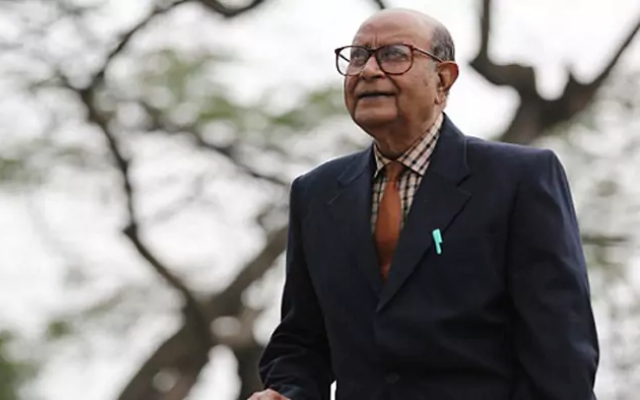
Dr. M. R. Khan (1916–2009) was one of the foremost pioneers of child healthcare in Bangladesh, making significant contributions to the development of child health, public health policy, and medical education in the country for more than half a century since the 1950s. He was a renowned pediatrician and researcher who was not satisfied with only medical treatment; rather, he sought to transform the entire healthcare system by considering social, economic, and policy perspectives.
Early Life and Education:
M. R. Khan was born in what is now Bangladesh under then British-India. From his childhood, he understood the importance of education and social service. To pursue higher education in medicine, he studied at various institutions both at home and abroad. After acquiring experience and knowledge, he returned to the country and dedicated himself to making child healthcare and public health services more effective and accessible to the masses.
Leading Role in Pediatric Health and Medical Research:
Since the 1950s, M. R. Khan brought about a new era in research and treatment related to child health. During that time, child mortality rates due to diarrhea, malnutrition, respiratory infections, and pneumonia were alarmingly high. He conducted extensive research on child nutrition, hygiene, infectious disease prevention, and the management of primary healthcare. As a result, child healthcare in the local context reached a new dimension.
He realized that hospital-based treatment alone was not sufficient; what was needed were social awareness, nutritious food intake, and an expansion of primary healthcare services. Based on his research and guidance, various programs were initiated to improve child healthcare, which later became reflected in national health policy.
Contributions to Public Health Policy and Decision-Making:
M. R. Khan did not limit medical services to a purely clinical approach. He always advocated for how public health policies could be made more favorable to children. His recommendations for expanding vaccination programs, promoting health education in impoverished areas, and integrating maternal and child health were visionary.
His research-based information and advice were invaluable to policymakers. He emphasized sustainable development in health policy, assessment of local needs, and prioritizing infrastructure development in the health sector. As a result, processes were set in motion to reduce children’s health risks, ensure safe childhood from birth, and significantly lower child mortality rates.
Medical Education, Training, and Institution Building:
Dr. M. R. Khan realized that to build a mature healthcare system, it was essential to train skilled doctors and health workers. Therefore, he focused on reforming the structure and curriculum of medical education. He played a pioneering role in giving more importance to pediatric subjects in the curriculum, promoting research-based education, training on effective primary healthcare, and strengthening the humanistic values of healthcare workers.
For an effective health system, he stressed that doctors should not only treat diseases but also focus on prevention, nutrition management, raising public awareness, and identifying the underlying causes of child health issues. This perspective inspired new generations of doctors, nurses, paramedics, and health workers.
Social Awareness and Voluntary Activities:
Beyond hospital walls, Dr. M. R. Khan worked to raise awareness among the general public. Through health-related seminars, workshops, and training events, he educated parents, guardians, educational institutions, and local communities about child health. He tirelessly strove to expand healthcare services in rural and disadvantaged areas and ensure accessible healthcare for all.
International Recognition and Honors:
Dr. M. R. Khan was internationally recognized as a world-class pediatrician. His research and policy recommendations were highly regarded by the World Health Organization (WHO) and other international bodies. His contributions to the advancement of child healthcare and the transformation of public health policy in Bangladesh have been acknowledged well beyond the country’s borders.
Legacy and Impact:
Although he passed away in 2009, he left behind a solid foundation. Bangladesh’s child healthcare is now much improved, there has been visible progress in controlling malnutrition and infectious diseases, and the expansion of immunization programs has increased the survival prospects of children. Today’s doctors, researchers, and healthcare workers are following M. R. Khan’s philosophies and practices to conduct further research, formulate policies, and raise public awareness about child health.
Conclusion:
Dr. M. R. Khan was a trailblazer who did not confine himself within the boundaries of treatment or research. He understood that true healthcare is a holistic process of lifelong awareness, prevention, and creating equal opportunities for all. His farsightedness in child healthcare, transformative public health policies, and visionary medical education were truly unique. His life story reminds us that when humanitarian values, research-driven thinking, and dedicated commitment work together, a nation’s children can be assured of a safe and healthy future.