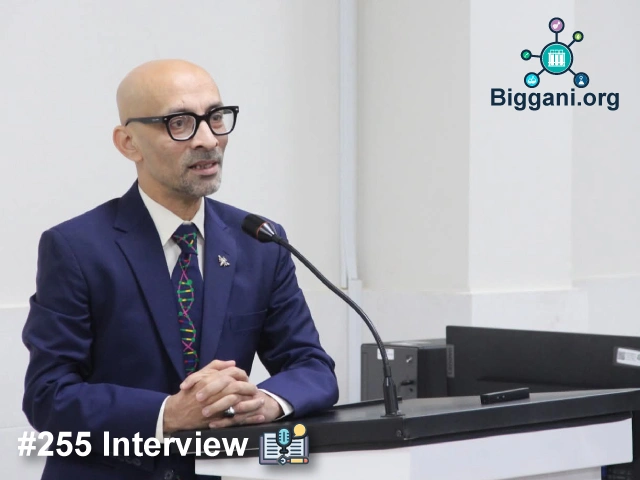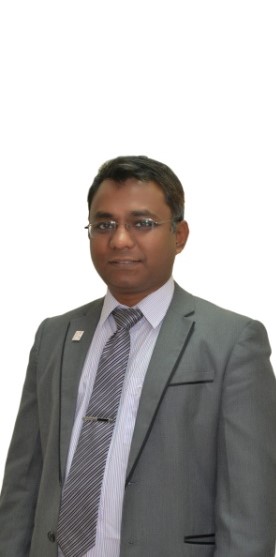
Dr. Mahdi Miraj was born in Bhola district, Bangladesh. Although he completed his early education in Bhola, he spent much of his adolescence at Barisal Cadet College. After achieving 12th place in the board merit list in his higher secondary examination, he studied for a while at BRAC University. Later, he earned his Bachelor’s, Master’s, and PhD degrees from Wrexham Glyndŵr University in the UK. During his university years, he was actively involved in student politics and was elected as the first international secretary of the university student council.
Professionally, he taught as a lecturer and director of the Cisco Network Academy at the University of Ha’il in Saudi Arabia for seven years, and as an assistant professor at AMA International University in Bahrain for one and a half years. Currently, he is working as a post-doctoral fellow at the Centre for Financial Regulation and Economic Development (CFRED) at The Chinese University of Hong Kong, conducting research on blockchain, FinTech, and RegTech technologies.
Dr. Mahdi Miraj is also working with Bangladeshi youth through various international projects, where the application of holographic imaging, IoT, mobile learning, and blockchain technology are playing significant roles.
💬 Q&A Session:
Question: Tell us a little about yourself.
Answer: I was born in Bhola district. Although I spent my childhood in Bhola, a large part of my adolescence was spent in Barisal due to studying at Cadet College. I completed my studies at Cadet College by achieving 12th place in the board merit list in the higher secondary examination. After studying for a short period at BRAC University in Bangladesh, I moved to the UK. I earned my Bachelor’s, Master’s, and PhD degrees from Glyndŵr University. I was actively involved in student politics and was elected as the education secretary of the university’s student council twice. Currently, I am associated as a visiting fellow with the CURI (Centre for Ultra-realistic Imaging) research center at Glyndŵr University.
Professionally, I have taught at the University of Ha’il in Saudi Arabia and AMA International University in Bahrain. Currently, I am conducting blockchain research as a post-doctoral fellow at The Chinese University of Hong Kong. My family, teachers, and colleagues have played important roles in my journey.
Question: What are you currently researching?
Answer: I am currently working at CFRED (The Chinese University of Hong Kong) on FinTech and RegTech. The main focus of this project is research on smart contracts using blockchain technology.
Question: You have been working with IoT for quite some time. How can we benefit from its use in Bangladesh?
Answer: There is great potential for IoT (Internet of Things) technology in Bangladesh. For example, aquatic or fish robots can be used to measure river water pollution. Additionally, various services can be provided through smart cards, continuous patient monitoring in healthcare, and streamlining the immigration process. The applications for IoT are limitless, so it is hard to summarize with a few examples.
Question: Many say IoT security is challenging—what is your opinion on this?
Answer: Certainly, IoT security is challenging. Mainly because the low processing power of IoT devices prevents running the necessary security algorithms. As an alternative, I am working on a project with the KINDI research center at Qatar University using Statistical Fingerprint technology.
Question: What was your experience working in Bahrain?
Answer: Moving from Saudi Arabia to Bahrain was challenging. The country is built on a multicultural society. The environment is tough due to high humidity during summer. There I became actively involved with IEEE and was elected secretary of the SIGHT Group. I also worked as an external examiner at the Bangladesh School. It was rewarding to contribute to my country while living abroad.
Question: What is the potential for fifth-generation networks in Bangladesh?
Answer: 5G network usage will soon become commonplace. It will improve 4K/5K television broadcasting and holographic image transfer. The 5G downlink data rate will be 20Gbit/s and the uplink data rate will be 10Gbit/s or higher. IoT device batteries will provide long-term service. The use of VR and AR technology will become easier, which will help local products access international markets.
Question: What would you like to work on in the future?
Answer: In the future, I want to work on “Bangladesh.” I plan to return home in the next 2–3 years. A research proposal under CURI is nearing completion, which will preserve the archeological collection of the Rajendrapur Museum through holographic imaging and showcase it to the world.
Question: Even though you live abroad, tell us about your work with Bangladeshi youth.
Answer: The Rajendrapur project is one example. Others include blockchain-based recruitment systems, education and monitoring for persons with disabilities using Android, shopping mall applications, and the mobile learning application “Mobile Academy.” I am always ready to work with or mentor young researchers interested in research.
Question: What advice would you give to young students?
Answer: Work diligently and with integrity, overcoming all obstacles. Do not be arrogant about accomplishments. Write research papers during undergraduate or master’s studies, connect with professors, and practice independent, out-of-the-box thinking.
Dr. Mahdi Miraj’s international research work is a source of inspiration for young Bangladeshi scientists. His contributions in blockchain, IoT, and holographic imaging will play an important role in the future of the country’s technology and research. The Biggani.org team wishes Dr. Mahdi Miraj success in his research endeavors.
Future of FinTech and RegTech: Insights from Dr. Mahdi Miraj
Dr. Mahdi Miraj was born in Bhola, Bangladesh. Although he spent his childhood in Bhola, he completed much of his adolescence at Barisal Cadet College. After ranking 12th on the board merit list in his higher secondary exam, he briefly studied at BRAC University before moving to the UK. He earned his Bachelor’s, Master’s, and PhD degrees from Wrexham Glyndŵr University. During his university years, he was actively involved in student politics and became the first international secretary of the university student council.
Professionally, he served as a lecturer and director of the Cisco Network Academy at the University of Ha’il, Saudi Arabia, for seven years, and as an assistant professor at AMA International University, Bahrain, for one and a half years. Currently, he is a postdoctoral fellow at the Centre for Financial Regulation and Economic Development (CFRED), The Chinese University of Hong Kong, conducting research on blockchain, FinTech, and RegTech.
Dr. Miraj is also actively engaged with Bangladeshi students abroad through projects on holographic imaging, IoT, mobile learning, and blockchain-based employment systems.
💬 Q&A session:
Question: Can you tell us about yourself?
Answer: I was born in Bhola, Bangladesh, and spent much of my adolescence at Barisal Cadet College. After completing my higher secondary exams, I studied briefly at BRAC University before moving to the UK, where I completed my Bachelor’s, Master’s, and PhD at Wrexham Glyndŵr University. I was actively involved in student politics there and was elected twice as the Education Secretary of the student council. I am still associated with the university’s Centre for Ultra-realistic Imaging (CURI) as a visiting fellow.
Professionally, I have taught in Saudi Arabia and Bahrain and am currently a postdoctoral fellow in Hong Kong, focusing on blockchain research. My family, teachers, and colleagues have played an important role in my journey.
Question: What are you currently researching?
Answer: I am currently working at CFRED, The Chinese University of Hong Kong, on FinTech and RegTech. The project primarily focuses on blockchain technology and smart contract research.
Question: You have worked extensively on IoT. How can it benefit Bangladesh?
Answer: There are many opportunities to use IoT (Internet of Things) technology in Bangladesh. For example, aquatic or fish robots can measure water pollution in rivers. IoT can also be integrated into smart cards for various services, such as simplifying immigration processes, or in healthcare for continuous patient monitoring. The potential applications of IoT are vast.
Question: Many say IoT security is challenging. What’s your opinion?
Answer: Security is indeed a major challenge in IoT. One reason is the limited processing power of IoT devices, which prevents running complex security algorithms. As an alternative, I am working with the KINDI Centre for Computing Research in Qatar on using Statistical Fingerprint technology for IoT security.
Question: How was your experience working in Bahrain?
Answer: Moving from Saudi Arabia to Bahrain was challenging. Although I expected the countries to be similar, I quickly realized Bahrain is a more multicultural society. Summers were tough due to high humidity. I actively participated in IEEE and served as Secretary of the SIGHT Group. I also worked as an external examiner for Information Technology practical exams at the Bangladesh School. Working abroad while contributing to my country was very rewarding.
Question: How can 5G networks benefit Bangladesh in the future?
Answer: 5G adoption will soon become universal. It enables high-quality direct broadcast of 4K/5K television and holographic image transfer. Downlink data rates can reach 20 Gbps and uplink 10 Gbps or higher. Power efficiency will improve, enabling IoT devices to operate for over 10 years. VR (Virtual Reality) and AR (Augmented Reality) technologies will also become feasible, allowing Bangladeshi products easier access to international markets.
Question: What do you plan to work on in the future?
Answer: I want to focus on projects in Bangladesh and plan to return within 2–3 years if the opportunity arises. Under CURI, I am finalizing a project to preserve Rajendrapur Museum’s archaeological collection using holographic imaging and display it globally.
Question: You are working with Bangladeshi youth while living abroad. Can you tell us about these projects?
Answer: The Rajendrapur project is one of the key initiatives. Other projects include blockchain-based recruitment systems, Android applications for special-needs education and monitoring, shopping mall applications, and mobile learning apps like “Mobile Academy.” I am always ready to guide young researchers and support their projects.
Question: Any advice for young students who want to pursue science?
Answer: Work with dedication and integrity, ignoring obstacles. Avoid arrogance in achievements and remain humble. Start writing research papers during undergraduate or master’s studies, which helps with scholarships and academic experience. Network with professionals and professors, and cultivate independent, out-of-the-box thinking.
Dr. Mahdi Miraj’s international research work serves as an inspiration for young Bangladeshi scientists. His contributions in blockchain, IoT, and holographic imaging have the potential to make a significant impact on technological advancement in Bangladesh. The Biggani.org team wishes Dr. Mahdi Miraj continued success and hopes his work inspires future generations.