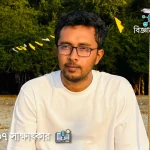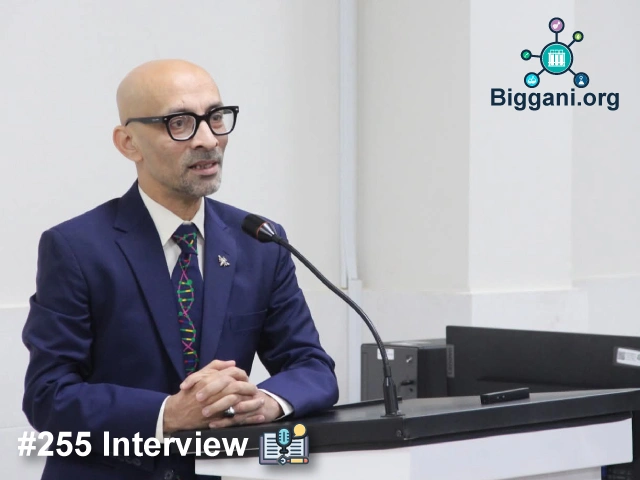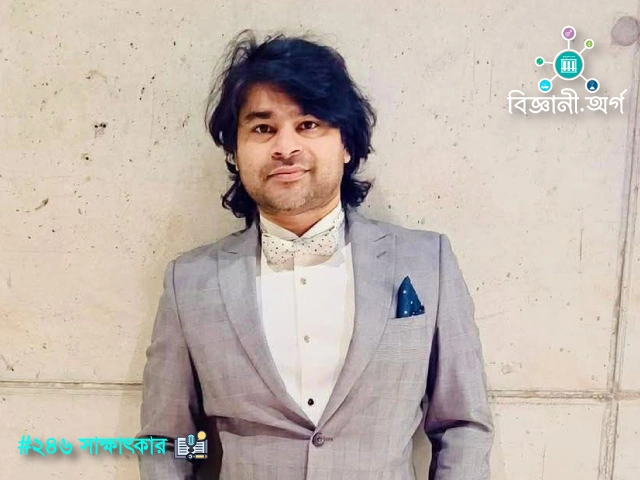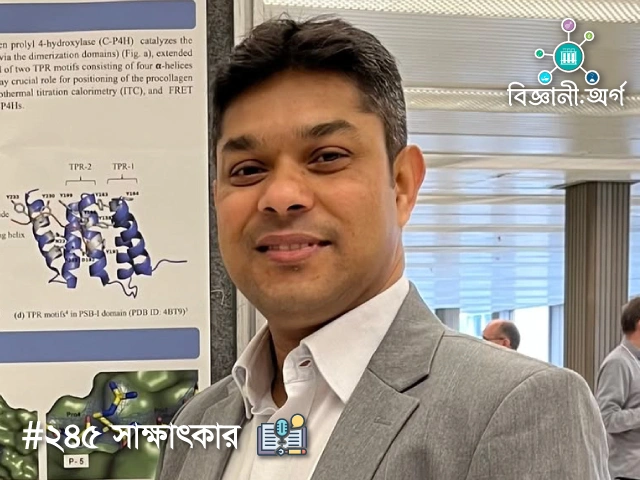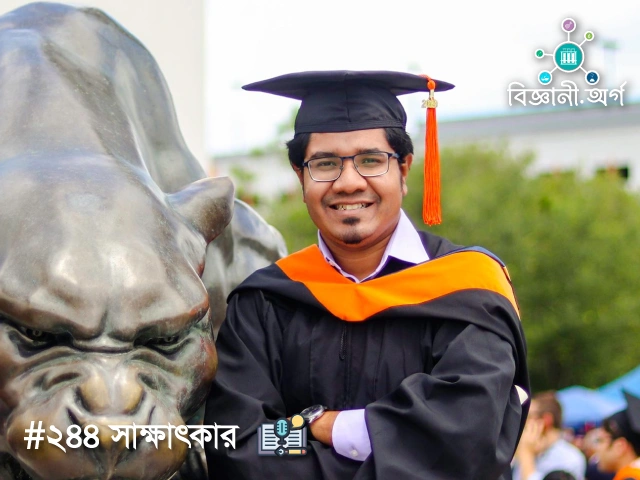
Mominul Islam is currently working as a full-time Graduate Teaching Assistant and Lab Instructor at North South University. He obtained his Bachelor’s degree from the same university and is now pursuing a Master’s degree there. His professional journey began as a Lecturer at Primeasia University and as an intern at Beximco Communications Ltd.
His core research area is Quantum Computing, focusing on the advancement of next-generation computer technology and solving complex problems. He has published a hybrid classical and quantum model in the journal PLOS ONE, which was tested on brain MRI images for Alzheimer’s disease detection. He is an active collaborator at the NSU Center for Quantum Computing. Although his work is based in Bangladesh, it is in alignment with global scientific endeavors.
💬 Q&A Segment:
Question: Please introduce yourself.
Answer: I am currently working as a full-time Graduate Teaching Assistant and Lab Instructor at North South University while completing my Master’s degree. I completed my Bachelor’s degree at NSU. Before starting my Master’s, I worked as a Lecturer at Primeasia University and as an intern at Beximco Communications Ltd. I have mentored more than 1,400 students in academia. I have two journal publications based on machine learning and quantum computing. Additionally, I am an active collaborator at the NSU Center for Quantum Computing.
Question: What is your research focus?
Answer: My main research area is quantum computing. While traditional computers store and process information using bits with values of 0 or 1, quantum computers use qubits, which can exist in multiple states at once. This property is called superposition. For example, it can help develop new drugs, manage large transportation networks, or analyze large numbers for secure encryption. In my work published in PLOS ONE, I developed a hybrid classical and quantum model, which I tested on brain MRI images for Alzheimer’s detection. My goal is to develop practical quantum algorithms.
Question: How do your research activities benefit or will benefit us?
Answer:
(i) Drug discovery and healthcare: Quantum computers can simulate molecules and chemical reactions, which helps create new drugs faster and more accurately.
(ii) Cybersecurity: Quantum computers can develop new ways to keep data secure.
(iii) Optimization and problem-solving: Quantum algorithms can manage large systems such as supply chains, transportation, and energy networks more efficiently.
Question: Can you share a specific research experience?
Answer: The biggest challenge in research is failure in experiments. I have faced it many times. But the key is not to give up, but rather to think differently and keep trying. For example, when I started working on quantum machine learning, I initially thought of pursuing something else. Through various trial-and-error attempts, I was gradually able to identify and solve the problems.
Question: What qualities do you think a scientist should have?
Answer:
- Curiosity
- Patience and perseverance
- Creativity and analytical ability
Question: What message do you have for young students in Bangladesh?
Answer: Be curious, be patient, and always keep a passion for learning. To be a scientist, it’s not enough to just read books—you need to ask questions, experiment, and have the mindset to learn from mistakes. Aim for good BSc results, develop English skills, and learn programming, data analysis, and lab techniques.
Contact Information:
📧 Email: [email protected]
🔗 Website: https://mominul-ssv.github.io
🔗 LinkedIn: https://www.linkedin.com/in/mominul-ssv
🔗 Google Scholar: https://scholar.google.com/citations?user=K1Mt42gAAAAJ&hl=en
🪶 Closing Remarks:
Dr. Mominul Islam’s research in quantum computing and AI is opening new pathways for innovation and technology. On behalf of biggani.org, we congratulate him for his perseverance, innovative thinking, and research efforts. We hope his work will serve as a source of inspiration for young scientists in Bangladesh. We wish Dr. Mominul Islam success in his future research.
New Horizons in Quantum Computing: An Interview with Mominul Islam
Mominul Islam is currently a full-time Graduate Teaching Assistant and Lab Instructor at North South University. He completed his Bachelor’s degree from the same university and is pursuing a Master’s degree. His professional journey includes working as a Lecturer at Primeasia University and as an intern at Beximco Communications Ltd.
His primary research focus is Quantum Computing, which aims to develop next-generation computers capable of solving complex problems. He has published a hybrid classical-quantum model in PLOS ONE, tested using MRI images of the human brain to detect Alzheimer’s disease. Mominul Islam also serves as an active collaborator at the NSU Center for Quantum Computing. While his work is conducted in Bangladesh, it aligns with global scientific research practices.
💬 Interview Q&A:
Question: Could you introduce yourself?
Answer: I am currently a full-time Graduate Teaching Assistant and Lab Instructor at North South University, while completing my Master’s degree. I earned my Bachelor’s degree from NSU. Prior to my Master’s, I worked as a Lecturer at Primeasia University and as an intern at Beximco Communications Ltd. I have mentored over 1,400 students academically. I have two journal publications based on machine learning and quantum computing, and I am an active collaborator at the NSU Center for Quantum Computing.
Question: What is your main research area?
Answer: My primary research area is Quantum Computing. Traditional computers store and process information using bits with values of 0 or 1, but quantum computers use qubits, which can exist in multiple states simultaneously—a property called superposition. For example, this technology can help develop new drugs, manage large transportation networks, or perform secure encryption on large numbers. In my PLOS ONE publication, I created a hybrid classical-quantum model tested on MRI images of the brain for Alzheimer’s detection. My main goal is to develop practical quantum algorithms.
Question: How does your research benefit society?
Answer:
(i) Drug discovery and healthcare: Quantum computers can simulate molecules and chemical reactions, accelerating and improving drug development.
(ii) Cybersecurity: Quantum computers can create new methods to secure information and protect against hacking.
(iii) Optimization and problem-solving: Quantum algorithms can manage large systems like supply chains, transport networks, and energy grids more efficiently.
Question: Could you share a significant research experience?
Answer: The biggest challenge in research is failure in experiments. I have faced it multiple times. However, the key is not to give up but to think differently and continue trying. For example, while working on quantum machine learning, I initially planned something else. Through trial-and-error, I gradually identified and solved specific problems. This taught me that patience, innovative thinking, and persistence are essential in research.
Question: What qualities do you think a scientist should have?
Answer:
- Curiosity
- Patience and perseverance
- Creativity and analytical skills
Question: Any message for young students in Bangladesh interested in science?
Answer: Be curious, patient, and always eager to learn. Success in science requires more than just reading books—you need to ask questions, experiment, and learn from mistakes. Good academic results, English proficiency, and technical skills like programming, data analysis, and laboratory techniques are also essential.
Contact Information:
📧 Email: [email protected]
🌐 Website: https://mominul-ssv.github.io
🔗 LinkedIn: https://www.linkedin.com/in/mominul-ssv
📊 Google Scholar: https://scholar.google.com/citations?user=K1Mt42gAAAAJ&hl=en
Dr. Mominul Islam’s research in quantum computing and AI integration is opening new avenues for technology and innovation. The biggani.org team appreciates his dedication, innovative thinking, and research efforts. We hope his work continues to inspire young Bangladeshi scientists. We wish Dr. Mominul Islam continued success in his future research endeavors.