
Sorkar M Shahin
The cells of living organisms contain a genomic component known as DNA or deoxyribonucleic acid. This genetic material plays a vital role in controlling and storing essential information needed for a cell’s growth, development, structure, maintenance, and disease processes. DNA is the fundamental basis of genomic material, composed of about 3.2 billion sequences combining four chemical components: adenine, guanine, cytosine, and thymine. The precise arrangement of these elements determines the genetic code of living organisms.
The DNA of all individuals of the human species (Homo sapiens) is considered 99.9% identical. This means that only about 0.1% of DNA varies from person to person. Despite this high level of similarity, it is this slight percentage of difference that is responsible for the considerable diversity in human traits and characteristics, such as weight, height, eye color, as well as susceptibility to diseases and drug responses. The genes within this genomic material are responsible for heredity in humans, being transferred from parents to children.
During the process of inheritance, small changes occur sequentially in the nucleotides of DNA; this systematic fault is called DNA variation or mutation. In Bangla, this is referred to as DNA change or alteration. These act as sources of genetic diversity. Throughout this process, unique patterns of DNA mutation or variation can also be observed. Such mutation patterns are often associated with the development of tumors and can be utilized for the detection and testing of cancerous tumors.
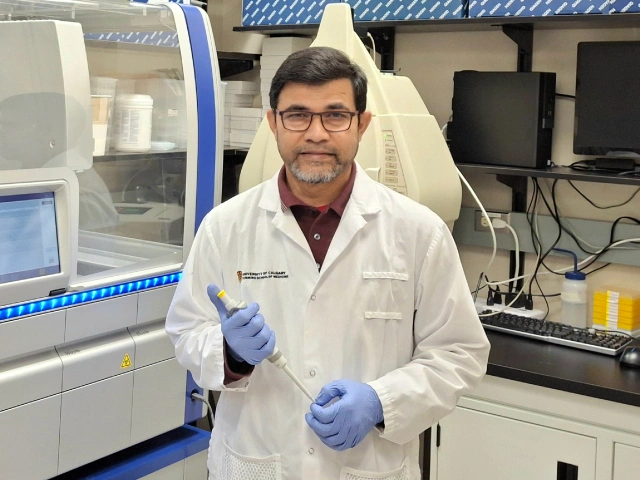
Author: Neurogenetics and Precision Laboratory
Mutational Signature: Oncology researchers have studied thousands of different tumors and millions of mutations, discovering a specific pattern known as a “mutational signature.” This pattern develops through multiple mutational processes occurring during the progression of cancer in the body. These signatures indicate the primary causes of cancer. Each agent capable of causing mutations presents a unique pattern of mutation. By examining these mutation patterns in many cancer genomes, researchers can identify certain mutation patterns or DNA repair errors that contributed to the development of a tumor. Distinguishing these specific mutational signatures—linked to underlying mutational processes—is extremely important for understanding an individual’s genome. This understanding can also reveal the most effective personalized treatment strategies for targeting their unique cancer type.
How Mutational Signatures Occur: There are various ways through which mutational signatures form in cancerous tumors or cells, including external environmental exposure, internal biological processes, and deficiencies in DNA repair.
Mechanisms underlying mutational signatures in human cancers:
https://pmc.ncbi.nlm.nih.gov/articles/PMC6044419/
1. External Environmental Factors: Examples include sources such as smoke, air pollution, harmful viruses, toxic chemicals, UV radiation, and occupational exposures. Exposure to UV radiation from sunlight is a well-known cause of DNA damage, leading to common mutational signatures. Agents such as tobacco smoke contain significant carcinogens responsible for DNA damage, resulting in mutational signatures seen in lung cancer. Interestingly, according to the American Cancer Society, individuals who have never smoked can also be exposed to lung cancer risk factors such as radon (a radioactive gas), air pollution, or workplace exposures like diesel, mobile exhaust factors, etc.
2. Internal Biological Processes such as DNA Replication, Editing, and Repair: DNA replication is a biological process that plays a critical role in the inheritance of all living organisms. During this process, two identical DNA molecules are formed from a single original DNA molecule. Although DNA replication is usually a precise process, errors can occasionally occur, leading to the creation of incorrect or new characteristics rather than preserving the original DNA traits.
These errors can result in the production of harmful proteins, which may disrupt normal bodily functions and potentially lead to diseases like cancer.
iii. DNA Repair Deficiency: Cells have complex DNA repair mechanisms; however, there are times when these repairs are incomplete or the damage is too extensive, resulting in mutations. Such mutations can cause protein deficiencies that affect different systems, including the development of cancer and neurological disorders, potentially leading to neurodegenerative problems.
Mutational Signatures and Precision Oncology: Each individual affected by cancer has a unique ‘mutational signature.’ The mystery of mutational signatures can primarily be unraveled through the study of genomic material in cancer patients. Identifying these specific ‘mutational signatures’ and determining the most effective treatment accordingly is an innovative approach to cancer therapy that has already become widely established as personalized or precision oncology in the modern world. https://www.youtube.com/watch?v=6NdXsoo0j3I
Therapeutic and prognostic insights from the analysis of cancer mutational signatures: https://www.cell.com/trends/genetics/fulltext/S0168-9525(21)00231-6
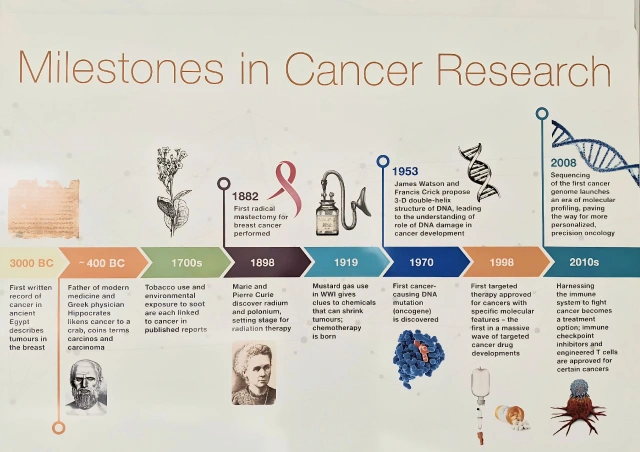
Courtesy: Arthur J.E. Child Comprehensive Cancer Centre, Calgary, Canada
https://www.albertahealthservices.ca/ajec/page15399.aspx
Potential of Mutational Signatures in Cancer Treatment:
Mutational signature analysis is a valuable research tool that examines DNA mutation patterns to understand their origins and predict outcomes. Although, due to methodological complexity and the need for further validation, it is not yet a standard clinical practice, it remains an active area of research with future potential for applications in diagnosis, prognosis, and treatment guidance. This approach can enhance drug efficacy for cancer patients and may also reduce the risk of unnecessary costs associated with illness, mortality, and adverse drug reactions. As a result, physicians may be able to prescribe the right medication at the right time.
In developing countries, especially densely populated nations like Bangladesh, implementing this technique could significantly improve public health, healthcare services, and health education, while also reducing the economic burden on healthcare professionals.
Author: Researcher in Neurogenetics and Precision Medicine,
Department of Psychiatry, Pharmacology, and Medical Genetics,
University of Calgary, Canada.
https://scholar.google.com/citations?user=&user=lRaMZlsAAAAJ