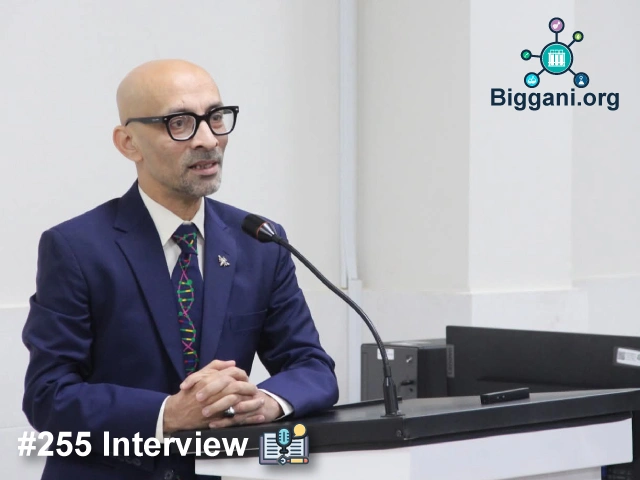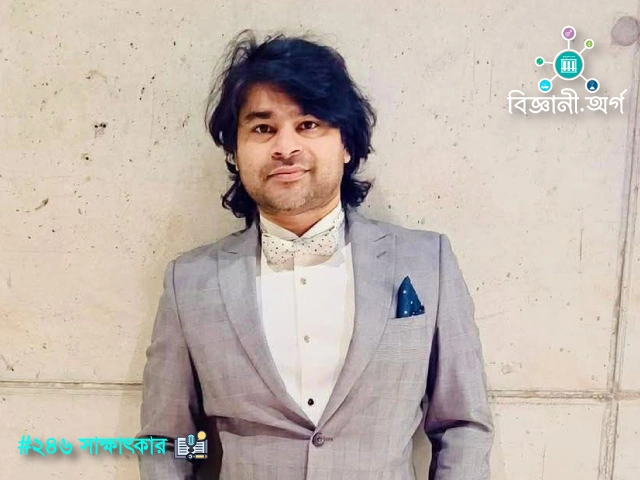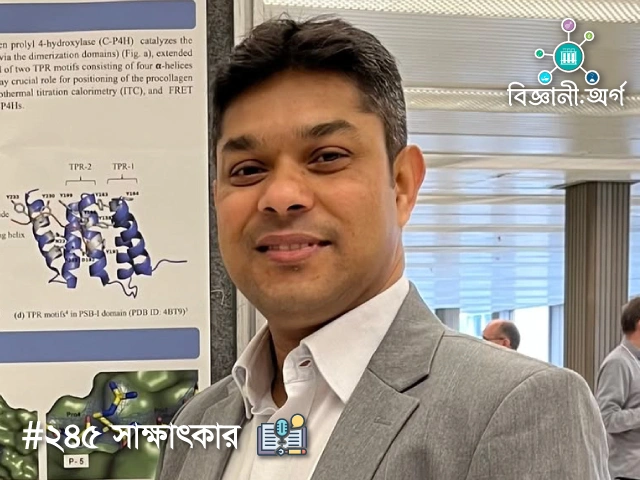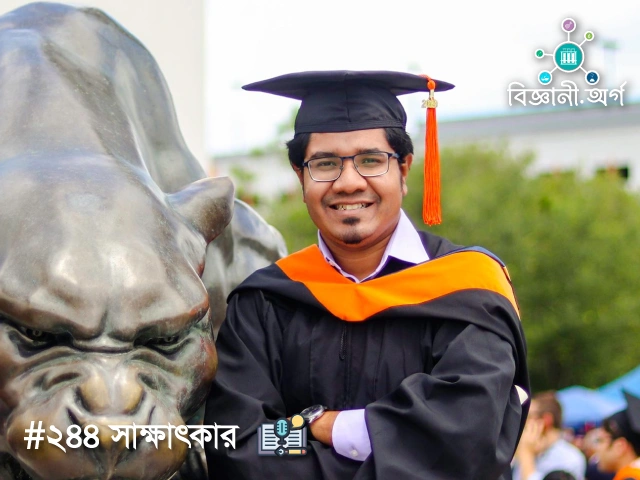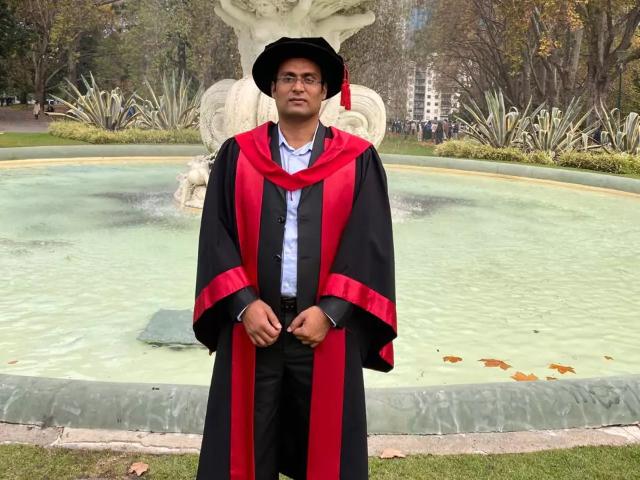
We interviewed Dr. Md. Abdul Matin. Dr. Md. Abdul Matin is an Assistant Professor in the Department of Electrical and Electronic Engineering at Rajshahi University of Engineering & Technology (RUET). He obtained his PhD in Electrical and Electronic Engineering from the University of Melbourne, Australia. His academic journey began at RUET, where he completed his BSc and MSc in Electrical and Electronic Engineering. Read his interview to learn more:
First, could you tell us about yourself?
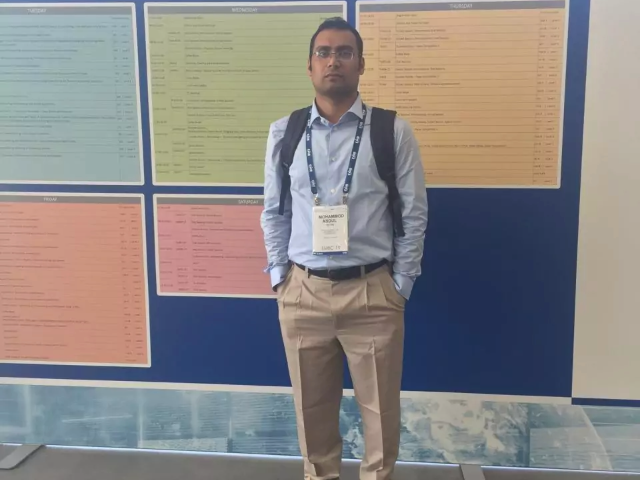
I am Dr. Md. Abdul Matin, currently working as an Assistant Professor in the Department of Electrical and Electronic Engineering at Rajshahi University of Engineering & Technology. I earned my PhD in Electrical and Electronic Engineering from the University of Melbourne, Victoria, Australia. I have also worked as a Research Fellow and Visiting Research Fellow at Deakin University, RMIT University in Australia, and Nottingham Trent University in the UK. I completed my BSc and MSc in Engineering in the Department of Electrical and Electronic Engineering at RUET.
What is the subject of your research?
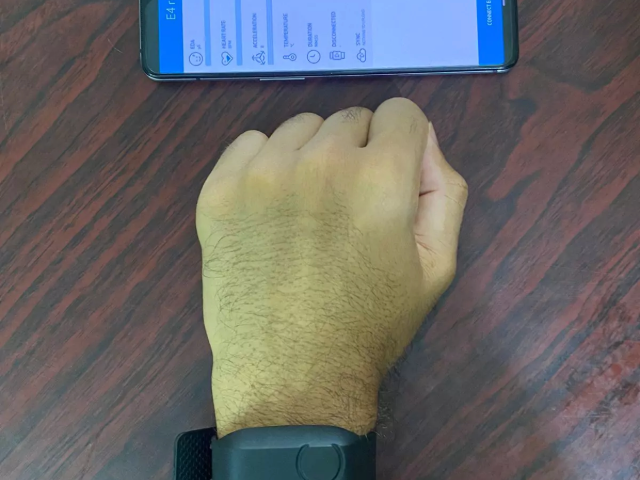
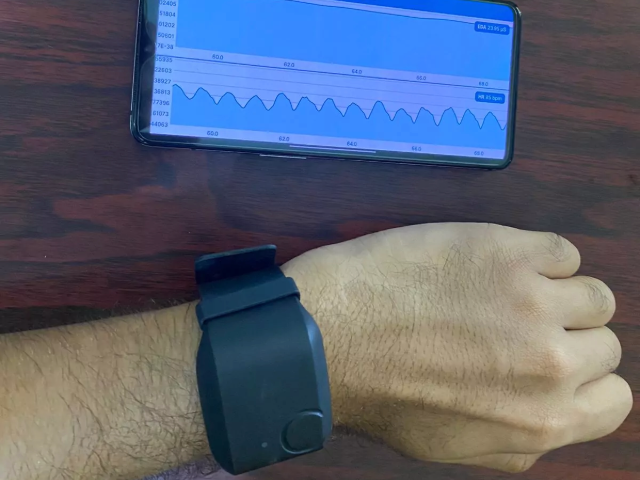
Simply put, my work involves using artificial intelligence and signal processing techniques to detect and classify neurological diseases at an early stage using signals collected from low-cost wearable electronic devices.
Traditional diagnostic methods are sometimes invasive (involving surgery or introducing an instrument into the body) and sometimes non-invasive (without surgery or insertion of instruments). These methods require the assistance of specialists, making them expensive and time-consuming. As a result, many times patients only visit a doctor when the disease has progressed significantly and such neurological diseases are detected when it’s already too late. The primary goal of my research is to develop automated methods for early-stage detection of these complex neurological diseases using artificial intelligence and machine learning technologies. These methods will analyze signals from low-cost, wearable, non-invasive devices, enabling patients to monitor these conditions from the comfort of their own homes.
How does your research benefit people now and in the future?
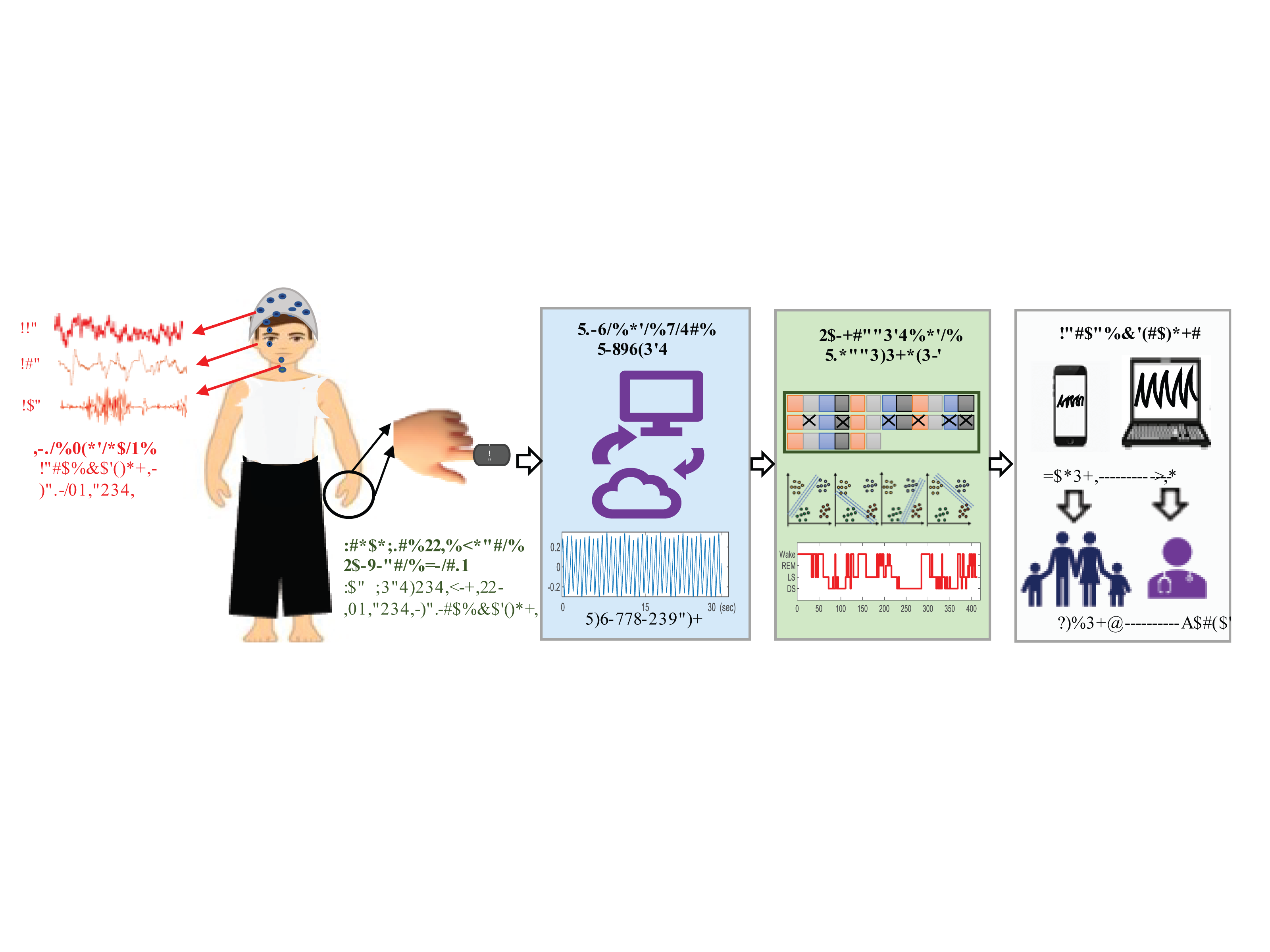
Neurological diseases like Parkinson’s, Alzheimer’s, sleep disorders, or epilepsy are complex and generally diagnosed late, often at a stage when treatment is less effective. One of the biggest challenges in managing neurological diseases is the delay in diagnosis. Most patients visit a doctor only when symptoms are obvious and the disease has already advanced, which limits treatment success. The main reason for this is that early symptoms are subtle and hard to detect without advanced equipment and specialist support. Unfortunately, by the time the disease is discovered, irreversible damage has often already occurred.
My main research aim is to develop automated methods for early detection of these complex neurological diseases using artificial intelligence (AI), machine learning (ML), and signal processing. This will create a system that analyzes signals from low-cost, wearable devices and provides an alternative to expensive and invasive procedures for early detection. I believe this research will bring significant benefits to healthcare.
1. Low-cost home monitoring
The use of affordable wearable devices means regular monitoring of neurological health can be done at home. Patients will not need frequent, costly, and time-consuming hospital visits. This will make neurological disease screening accessible to more people, especially in rural or low-income areas with limited healthcare infrastructure.
2. Early detection and timely treatment
By identifying symptoms at an early stage, these AI-powered methods can ensure timely treatment. Early detection creates an opportunity for faster intervention, which can slow disease progression and improve patients’ quality of life. In diseases like Parkinson’s or Alzheimer’s, early treatment can delay the onset of severe symptoms, helping individuals maintain better health for longer.
3. Reducing strain on healthcare systems
A system that allows for home monitoring and refers only concerning symptoms for further analysis can significantly reduce pressure on healthcare systems. Doctors and specialists will no longer need to spend time on routine monitoring, allowing them to focus more on urgent cases. This will save both time and healthcare costs.
4. Personalized treatment
The combined use of AI and ML can develop personalized models that can detect diseases according to each patient’s unique neurological profile. These methods can learn from a patient’s normal behavioral patterns and detect even the slightest signs of disease progression. This personalized approach will increase the accuracy of diagnosis and treatment plans.
5. Empowering patients to take preventive measures
Another major benefit is that patients will be able to play a more active role in managing their health. Wearable devices providing real-time feedback and monitoring will keep patients informed about their neurological health. This will encourage patients to take preventive steps, live healthier lives, and seek timely treatment when abnormalities are detected.
What qualities do you think are essential for a scientist?
1. Enjoyment in discovering new things
A scientist is always curious and motivated to learn and explore new things. This curiosity generates new questions and encourages the search for new knowledge. However, if a young student or researcher does not find joy in discovery or creation, their path as a young scientist and researcher will gradually become difficult.
2. Creativity, innovation, and analytical thinking
Creativity is extremely important for being a scientist. Inventing new theories or finding new solutions to problems relies on creative and innovative thinking. Any creative and innovative solution to problems depends on the ability to analyze those issues deeply and logically. The ability to make logical and creative decisions based on data sets a researcher apart from others.
3. Focus, patience, and resilience
Patience is vital when working as a scientist, as it often takes time to see results from various experiments. Working on complex tasks for extended periods requires consistent focus. Furthermore, failure is a normal part of research. Therefore, it is essential for a scientist to learn from failures, try again, and possess resilience.
What message or advice do you have for young students in Bangladesh who want to pursue science?
Young students who want to work in science must develop the necessary skills required for the branch of science they wish to pursue. Often, students chase short-term success instead of acquiring core skills, which is not advisable. When it comes to publishing research, quality should be prioritized over quantity, and publishing in low-quality journals should be avoided.
Your Email: [email protected]
Your LinkedIn: https://www.linkedin.com/in/mohammod-abdul-motin-1935385b/
Your Website, Research Links: https://sites.google.com/view/drmamotin
On behalf of Biggani.org, we warmly congratulate Dr. Md. Abdul Matin on his outstanding achievements. Through his hard work and research, he has become a beacon for aspiring young scientists. His relentless efforts and the quality of his research will continue to inspire many in the future. We believe his success will lead to even greater accomplishments and set a new direction for the advancement of science and technology in the country.
Early detection of neurological diseases using artificial intelligence and signal processing:
Could you please introduce yourself?
I am Dr. Md. Abdul Matin, currently serving as an Assistant Professor in the Department of Electrical and Electronic Engineering (EEE) at Rajshahi University of Engineering & Technology (RUET), Bangladesh. I completed my Ph.D. in Electrical and Electronic Engineering from the University of Melbourne, Australia. I have also worked as a Research Fellow and Visiting Research Fellow at Deakin University, RMIT University, Australia, and Nottingham Trent University, UK. Additionally, I hold a B.Sc. and M.Sc. in Engineering in EEE from RUET.
What is the focus of your research?
In simple terms, my research focuses on using Artificial Intelligence (AI) and signal processing techniques to develop methods for early detection and classification of neurological disorders using low-cost, wearable electronic devices.
Traditionally, clinical methods for diagnosis are either invasive (involving surgery or instruments inserted into the body) or non-invasive (without entering the body). These methods often require specialists, making them costly and time-consuming. As a result, patients sometimes only seek medical help when their condition is advanced, and neurological disorders are diagnosed at a late stage. My goal is to develop an automated system using AI and Machine Learning (ML) that can detect these complex neurological diseases in their early stages. This system will be low-cost, non-invasive, and will use data from wearable devices, enabling patients to monitor their conditions at home.
How does your research benefit people?
Neurological disorders like Parkinson’s, Alzheimer’s, sleep disorders, or epilepsy are complex and often diagnosed late when effective treatment becomes challenging. Delays in diagnosis are a significant hurdle in managing neurological diseases. Many patients only consult doctors when symptoms become evident and have already progressed, limiting treatment success.
My research aims to leverage AI, ML, and signal processing to create automated methods for early detection of these neurological disorders. This approach will use data from affordable, wearable devices as an alternative to costly and invasive methods. The benefits of this research include:
- Low-cost Home Monitoring: Wearable devices allow for regular monitoring at home, reducing the need for frequent, costly, and time-consuming hospital visits. This will make neurological disease screening more accessible, especially in rural or low-income areas where healthcare infrastructure is limited.
- Early Detection and Treatment: AI-powered methods ensure timely treatment by identifying early-stage symptoms, allowing faster intervention. For conditions like Parkinson’s or Alzheimer’s, early treatment can delay severe symptoms, helping individuals maintain a good quality of life for longer.
- Reduced Strain on Healthcare Systems: A system that monitors patients at home and flags only concerning symptoms for further examination can reduce the strain on healthcare systems. Doctors can focus more on urgent cases rather than routine monitoring, saving time and reducing costs.
- Personalized Treatment: Combining AI and ML enables the development of personalized models, which can detect diseases based on each patient’s unique neurological profile. These models learn from an individual’s normal behavior patterns, making them highly accurate in diagnosing and planning treatments.
- Empowering Patients with Preventive Measures: Wearable devices provide real-time feedback, allowing patients to take an active role in managing their health. This technology encourages individuals to adopt preventive measures, live healthier lifestyles, and seek treatment promptly if any abnormalities arise.
What qualities do you think are essential for a scientist?
A scientist should possess several key qualities:
- Curiosity and a Joy for Learning: Scientists are always eager to learn and explore. Curiosity drives them to ask questions and seek new information. For young scientists or researchers, if they don’t find joy in discovery, their journey may become challenging.
- Creative, Analytical, and Critical Thinking: Creativity is vital for scientists. Innovating new theories or finding novel solutions to problems relies on creative thinking. Effective problem-solving requires analyzing issues deeply and logically. The ability to make logical and inventive decisions based on data sets researchers apart.
- Patience, Perseverance, and Resilience: In scientific work, patience is crucial, as experiments often take time to yield results. Science involves handling complex tasks for extended periods, so focus is essential. Moreover, failure is a normal part of research. Scientists must be resilient, learning from setbacks and pushing forward.
Do you have any message for young students in Bangladesh who want to pursue a career in science?
For young students interested in science, it’s essential to develop the skills needed for the specific field they wish to research. Often, students chase short-term success instead of acquiring the necessary expertise, which is not advisable. When publishing research, focus on quality rather than quantity, and avoid low-standard publications. Prioritizing skill development and maintaining high standards in research will lead to a meaningful scientific journey.
Thank you very much for taking the time to share your insights with us, Dr. Matin. Your work in AI and neurological research is truly inspiring, and I believe our readers will benefit greatly from your knowledge and advice. We appreciate your dedication to advancing healthcare accessibility and your guidance for young scientists. Thank you again for your invaluable contribution to biggani.org !