Travel, Science, and the Power of Social Media
Have you ever planned a trip after watching an Instagram or YouTube video? Or read a blog and thought, “I want to go there too!”?
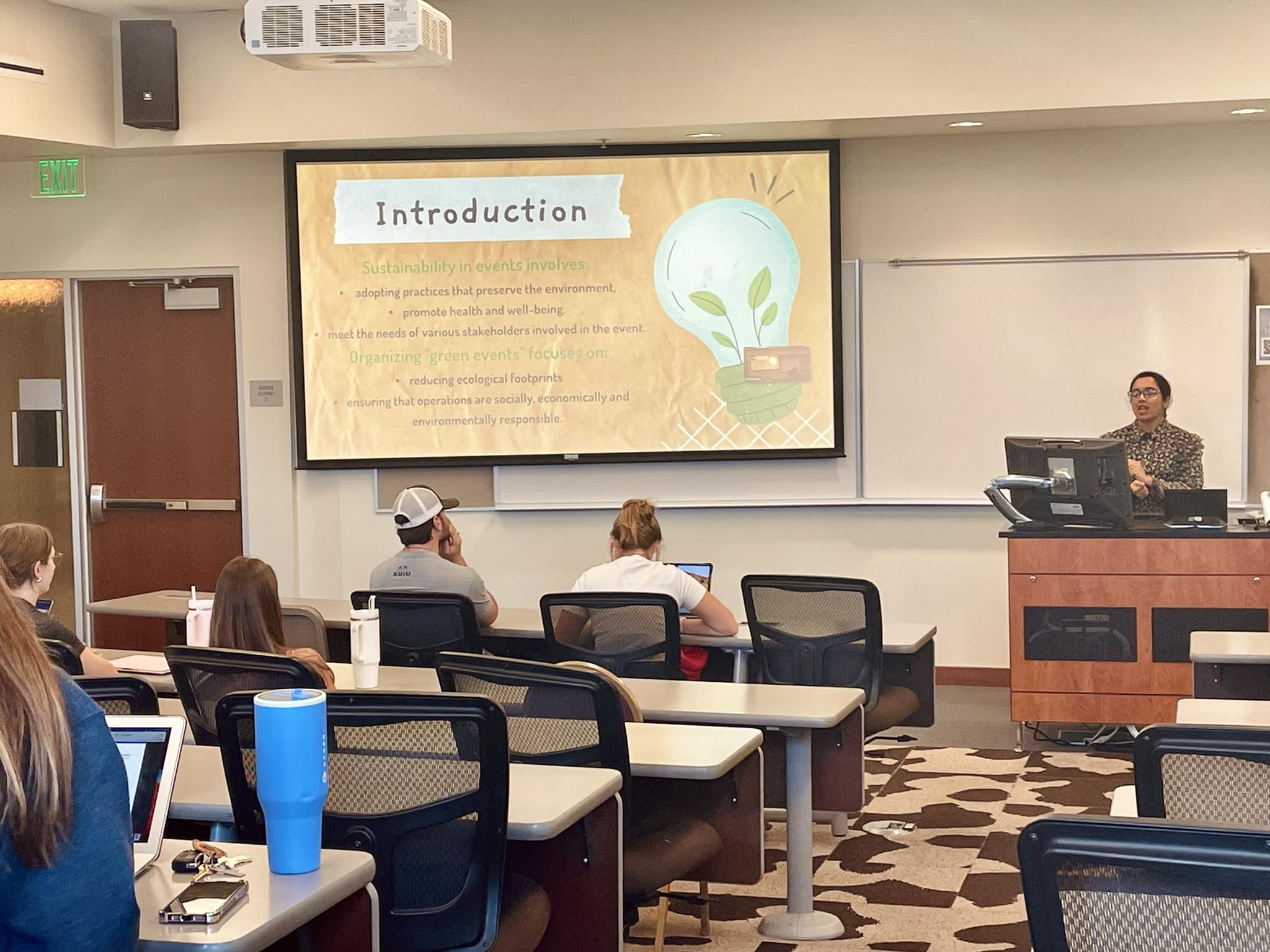
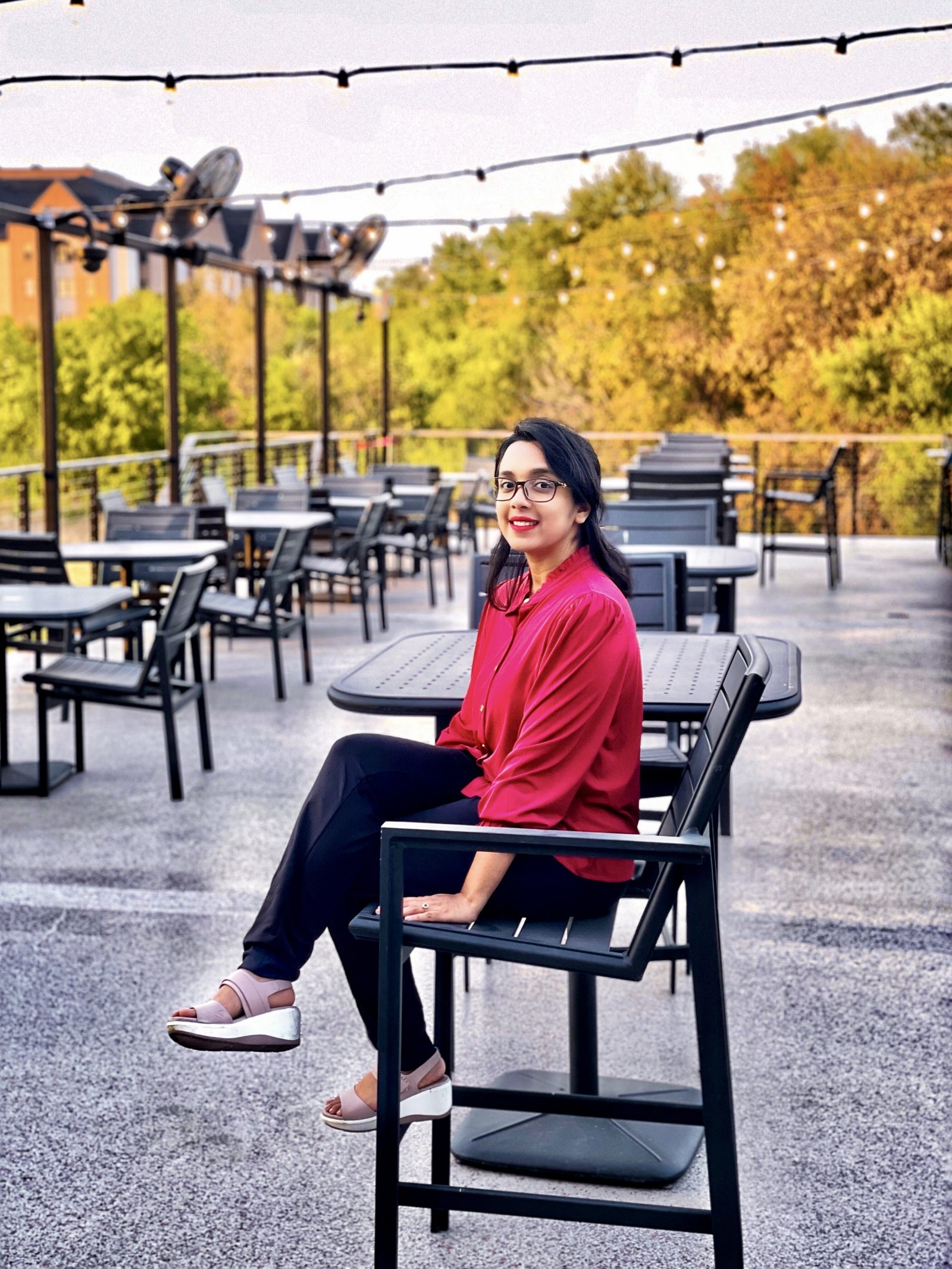
This is exactly the power of social media. Kahkasha Wahab is a researcher who studies how influencers can change our travel preferences and habits. She is currently pursuing a PhD in Hospitality, Hotel Management, and Tourism at Texas A&M University, USA.
But her story began in Bangladesh—after securing first place in both her BBA (Bachelor of Business Administration) and MBA (Master of Business Administration) at the University of Dhaka, she started teaching there. After moving to the US for higher studies, she began exploring new frontiers in tourism research.
Research Focus: How Can Social Media Change the Future of Tourism?
Tourism is not just about traveling; it’s a huge industry that has a significant impact on the environment, culture, and economy. Kahkasha Wahab’s research is mainly about sustainable tourism and the role of social media.
How can influencers (those who create travel-related content on platforms like YouTube, Instagram, TikTok) encourage people to travel in environmentally friendly ways (such as using less plastic, protecting local culture and nature, choosing eco-friendly hotels)?
Social media influencers can have much more impact on people than ordinary tourists. Kahkasha observes that if influencers highlight eco-friendly hotels, reduced plastic usage, respect for local cultures, and environmental protection in their content, then their audience is likely to follow these types of travel preferences as well.
The Main Theory: A Story Can Change Minds
The foundation of Kahkasha Wahab’s research is framing theory—which explains that people’s perspectives and behaviors can change depending on how the same information is presented.
We are exposed to countless pieces of information every day, but not all information influences us. Which information attracts us, which information motivates us—it depends on how it’s presented.
The Power of Presentation: Kahkasha’s Research Explained
If an influencer simply says—
“This hotel is very beautiful!”
then the audience is drawn to the beauty, but they won’t pay attention to the hotel’s eco-friendly features.
But if the influencer says—
“This hotel recycles 20,000 plastic bottles each year, helping to protect nature!”
then the audience will value not just the beauty, but also the eco-friendly aspects.
Applying Framing Theory: The Power of Social Media
Kahkasha’s research shows that social media influencers don’t just share information—they create stories that deeply influence their audience.
🔹 Digital Storytelling:
A story is more engaging than just facts. When an influencer, instead of only showing pictures of a hotel, shares—
“When I stayed at this eco-friendly hotel, I realized that a luxurious lifestyle can also be good for nature!”
—it creates an emotional connection and helps the message stick.
🔹 Parasocial Interaction:
This theory says that people form a one-sided bond with influencers; they feel the influencer is like a friend they trust. So, when an influencer says—
“From now on, I’ll only stay at eco-friendly hotels!”
many viewers also want to follow that idea.
🔹 Consumer Engagement:
If a post or video just shares information, viewers might just scroll past. But if the influencer asks the viewers—
“What eco-friendly choice do you want to make on your next trip?”
then viewers engage in the discussion, strengthening their commitment.
Real Impact: A New Path for the Future of Tourism
A recent survey shows:
✅ 84% of global travelers plan their trips based on social media information (Statista, 2023).
✅ 73% of travelers are interested in eco-friendly travel, but only 39% actually practice it (Booking.com, 2022).
✅ An Instagram campaign about “Eco-Friendly Travel” reached 2.1 million viewers, and 58% later searched for sustainable alternatives (GWI, 2023).
This proves that social media can successfully popularize ideas of sustainable tourism.
Kahkasha’s research is crucial not just for audiences, but for tourism organizations as well.
📌 If tourism organizations work with influencers and communicate eco-friendly travel messages effectively, more people will be attracted to sustainable tourism.
📌 This research can also inspire everyday travelers to play a role in conserving nature through their own travel choices.
By leveraging the power of social media, Kahkasha’s research is building a bridge between the travel industry and environmental conservation—inspiring people to not only explore new places, but also be responsible stewards of nature.
In her research, Kahkasha has shown that if influencers share their eco-friendly travel experiences through storytelling (digital storytelling), it can influence people’s attitudes and behaviors.
A Small Story, A Big Change
One of Kahkasha Wahab’s most interesting research experiences was during a visit to an eco-friendly resort in the United States. Initially, the resort wasn’t very popular. Why? Most travelers preferred luxury hotels but weren’t very interested in eco-friendly stays.
The resort manager told her,
“We wanted to create a place where travelers could enjoy comfort and luxury without harming nature. But most people were more drawn to pools, spas, and luxury suites than eco-friendly hotels.”
The turning point came when some social media influencers created content about the resort.
Instead of just highlighting the beauty or luxury amenities, they began to share stories—
✔ How they enjoyed their stay without using plastic,
✔ How they discovered new experiences eating food prepared by local farmers,
✔ How the resort offered luxury stays without harming nature.
In one influencer’s video,
“When I skipped the straw for my morning coffee, I realized just how important our small choices can be for the environment.”
This small sentence inspired thousands of people towards eco-friendly lifestyles.
The Result? In Just 6 Months:
📌 Resort bookings increased by 30%.
📌 70% of travelers pledged to support local products and reduce plastic use.
📌 Many travelers started shopping from local farmers before staying at the resort.
Kahkasha learned from this event,
“It’s possible to change people’s mindsets—you just have to deliver the message correctly.”
📢 If influencers only highlight beautiful views, people will just focus on that. But if they show how small decisions—like skipping a straw—can impact nature, people will feel it and embrace that perspective.”
This is one of the key takeaways of Kahkasha’s research—
✅ The power of storytelling (Digital Storytelling) is enormous.
✅ Small changes can create big impacts.
✅ People remember not just information, but messages tied to experience and emotion.
This incident proves once again,
👉 When information is presented correctly, it can change people’s perspectives.
👉 Social media is not just entertainment—it’s a powerful tool for responsible travel and sustainable tourism.
“With effective storytelling, people become more than spectators—they become participants in change.”
The Scientist’s Mindset: Kahkasha’s Perspective
Being a scientist isn’t just about reading books or earning degrees. According to Kahkasha, a true researcher has to be curious, persistent, creative, and a big thinker.
She says, “A scientist’s greatest power is their mind. Whoever can ask questions, can discover something new.”
Essential qualities for research success—
🔹 Curiosity: An insatiable drive to learn new things. Dive deep into every problem and ask ‘why’ and ‘how’.
🔹 Perseverance: A mindset of not giving up during tough times. Forget the words “I can’t”. Instead, say—“I haven’t achieved it yet, but I’ll learn it.”
🔹 Creativity: The capacity to find new solutions for new problems. Often, answers aren’t in the textbook—it’s up to the researcher to find them.
🔹 Thinking Big: Dare to dream big, because only big dreams bring big change. If someone limits themselves, they won’t be able to achieve anything revolutionary.
Kahkasha says,
“Einstein was told he couldn’t be a scientist, Edison was told he was foolish. But they never gave up. Failure is part of learning; it never ends. If you keep trying every day, success will eventually come within your grasp.”
She adds,
“Research is difficult, but with patience and perseverance, even the impossible becomes possible. Marie Curie failed a hundred times before discovering radioactivity. When SpaceX failed at first, many thought they would stop. But they didn’t give up, and today they’re rewriting the history of space.”
Kahkasha’s advice for young scientists—
✅ Believe in yourself.
✅ Mistakes and failures may come, but don’t give up.
✅ Work every day to make your dreams a reality.
🚀 “Think Big. Dream Big. Work Hard. Success is yours!”
Contact Information
📩 Email: [email protected]
🔗 LinkedIn: Kahkasha Wahab
A New Horizon in Tourism Research
Kahkasha Wahab’s research is making an impact not only on the tourism industry but also on the way we think.
“If the right message reaches people in the right way, they will not only enjoy tourism but also take responsibility for keeping the world beautiful.”
Kahkasha is a pioneer in driving this change.