“A person’s nature never changes”—this is almost a rule in our society.
But modern neuroscience has taught us that humans change not only in mindset but also physically, and that transformation starts in the brain.
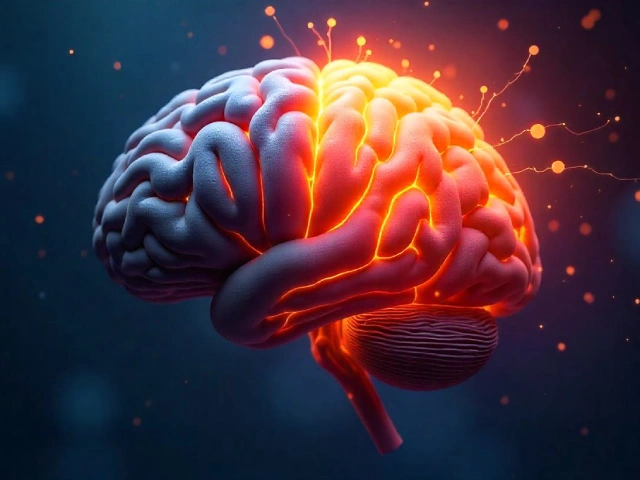
This remarkable concept is called Neuroplasticity.
Neuroplasticity proves that if you learn, practice, and build new habits, your brain can actually reshape its own structure.
🧠 What is Neuroplasticity?
“Neuro” = Neuron (cells of the brain),
“Plasticity” = Flexibility, adaptability
👉 Combined: The brain’s ability to mold and rebuild itself
It was once believed that the human brain does not change after adolescence. But science now tells us that the brain can create new neural connections throughout life.
🧪 Key Scientific Evidence:
✅ 1. London Taxi Driver Study (Maguire et al., 2000)
London taxi drivers, who memorize an enormous number of streets, have enlarged hippocampi (the memory-related part of the brain).
MRI scans show that the more experienced they are, the greater the amount of grey matter in the posterior hippocampus.
✅ 2. Stroke Recovery (Taub, 2002)
Stroke patients who learn to perform tasks with other parts of the brain, instead of the affected area, show new brain responses. Using the “Constraint-Induced Movement Therapy” method, they can regain old skills.
✅ 3. Violinist Study (Elbert et al., 1995)
Violinists use the fingers of their left hand more.
It has been observed that in their somatosensory cortex, the representation areas for these fingers become larger.
✅ 4. Meditation and Brain Structure (Sara Lazar et al., 2005)
Regular mindfulness meditation increases density in:
★Prefrontal cortex (brain’s control center)
★Anterior cingulate cortex (attention)
And ★ the hippocampus as well.
✅ 5. Jugglers’ Brain Changes (Draganski et al., 2004)
Those who learn juggling for the first time develop new grey matter in their visual & motor areas.
If they stop practicing, it decreases again—proving that the brain follows a “use it or lose it” rule.
🧠 Mental Wellness and Neuroplasticity:
🧘 Mindfulness and CBT (Cognitive Behavioral Therapy):
For patients with depression, OCD, or anxiety, CBT alters the connectivity between the amygdala and prefrontal cortex.
Proven by functional MRI (fMRI)—when thought patterns change, so does the brain’s emotion processing pattern.
🧠 Childhood Trauma and Brain Plasticity:
In childhood, trauma causes the amygdala to become overactive.
However, with therapy or a supportive environment, new connections form and the brain’s reactions change.
🧩 Conclusion:
The human brain is a marvelous thing—complex on one hand, but incredibly flexible on the other.
Although our habits and experiences shape the structure of our brains, the hopeful news is—we can reshape that structure if we choose.
Neuroplasticity tells us:
“You can change—if you are willing to learn.”
Md. Iftekhar Hossain
Medical student, Cox’s Bazar Medical College |
Interested in neuroscience, habit formation, and behavioral changes in the human brain.