Current Workplace:
North South University
First, let’s get to know him
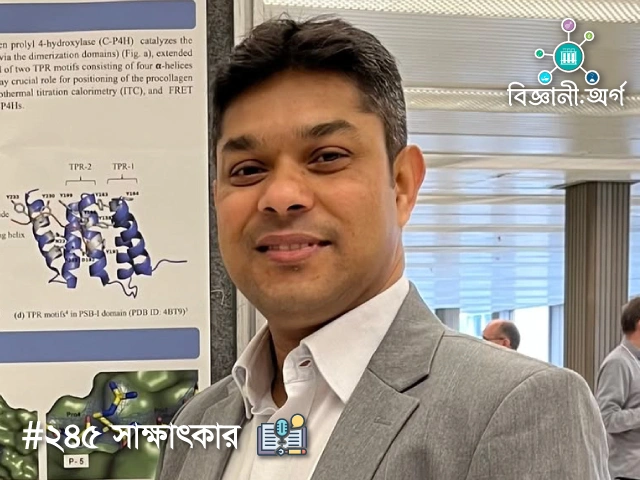
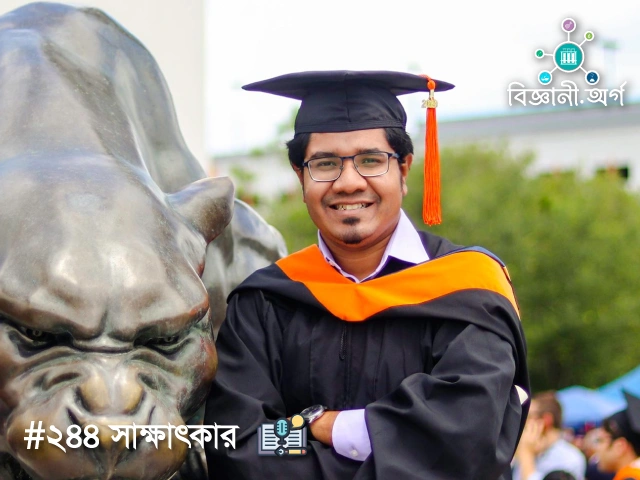
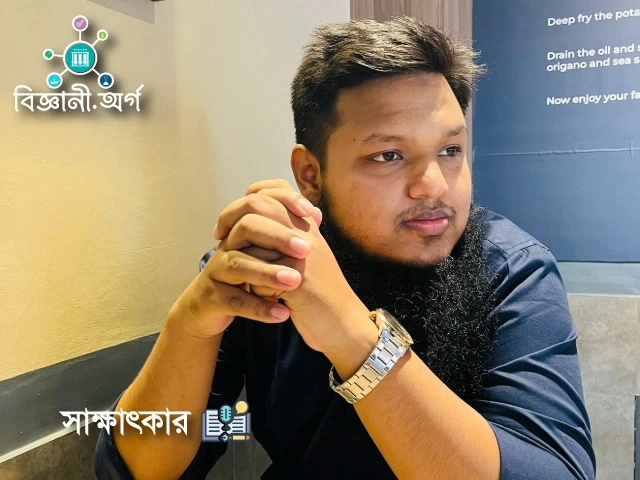
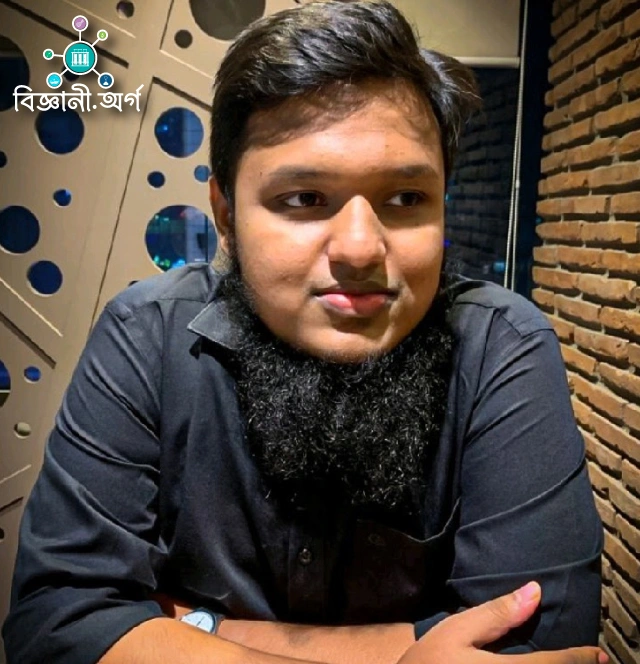
Muhammad Rafsan Kabir recently completed his Bachelor’s (BSc) in Computer Science & Engineering from North South University. Currently, he is working at the Machine Intelligence Lab (MILab) at North South University. He mainly conducts research on various aspects of artificial intelligence (AI). He has published research papers in multiple international conferences and journals, and has previously worked on developing AI models that align with ethics and human values. In the future, he aspires to pursue higher degrees in this field and make contributions to global research.
What is the subject of his research?
The main focus of his research is artificial intelligence (AI), particularly computer vision (CV) and natural language processing (NLP). He primarily works on large language models (LLMs) and the alignment of these models with human-like reasoning and logic (AI Alignment and Reasoning). Another important aspect of his research is multilingual NLP, where he develops models for low-resource languages like Bangla and investigates RAG systems for multilingual information retrieval. Additionally, solving various problems using multimodal data (text and images), such as disease diagnosis, is a key area of his research.
How does, or will, his research benefit us?
His research works benefit, and will continue to benefit, us by advancing various important aspects of society and technology.
1. AI Ethics and Trustworthiness: Previously, he has worked on ensuring AI models are aligned with ethical standards and human values, making AI systems more trustworthy and safe. Such research ensures that AI decision-making processes remain transparent, unbiased, and human-centric, thereby increasing public trust in AI technologies.
2. Healthcare: His research using multimodal data to improve disease diagnosis and medical processes contributes significantly to the healthcare sector. For example, the combined analysis of medical images and reports enhances the accuracy and speed of diagnosis, ensuring better care for patients.
3. Computational Efficiency: He designs effective algorithms and models to improve the efficiency of large language models and other AI systems, making them capable of functioning with less time and fewer resources. This reduces computing costs and enables broader access to AI technologies, especially in low-resource settings.
What qualities does he believe a scientist should have?
He believes that one of the essential qualities a scientist should have is an inquisitive mindset. To be a scientist, you must always ask questions and be eager to learn new things. Asking “Why?” or “How?” helps open doors to new ideas and discoveries.
Secondly, patience and perseverance are crucial. It’s not easy to achieve results in research. Often, one faces failure and obstacles. Therefore, it is important to keep trying with patience.
Another important quality is creativity and an innovative mindset. Creative thinking is needed to find new solutions to problems and to discover unknown aspects.
Science is always evolving, so having the desire and ability to learn new technologies, information, and methods is essential. Finally, as a scientist, one must analyze all information accurately and impartially. Changing results to suit personal views or hiding information is never acceptable.
His message for young students in Bangladesh
To the young students of Bangladesh, he sends his best wishes!
Although the path of science is tough and challenging, the opportunities for strength and success it offers are unique. Keep your curiosity alive to learn new things; don’t be afraid of mistakes, rather learn from them and move forward. Patience and perseverance will be your greatest assets. To contribute to world-class research, you will need honesty, creativity, and unity. Keep yourself regularly updated. Believe that your hard work and innovation will drive Bangladesh—and the whole world—forward. Move forward courageously to turn your dream of becoming a scientist into reality—you can do it!
📩 Contact Information
- Email: [email protected]
- LinkedIn: Muhammad Rafsan Kabir
- Website: sites.google.com/view/rafsankabir
- Google Scholar: Scholar Profile