


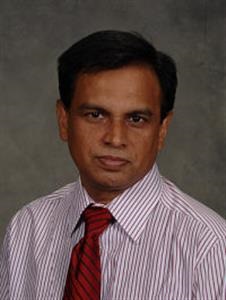
Dr. Fakhrul Ahsan was born in Hossenpur, Kishoreganj. He completed his SSC from Hossenpur High School and HSC from Gurudayal College. After earning a master’s degree in Pharmacy from the University of Dhaka, he worked at Beximco Pharmaceuticals. Later, he received a scholarship from the Spanish government to pursue a PhD at Complutense University of Madrid. Dr. Ahsan subsequently completed a postdoctoral fellowship at the University of Alabama at Birmingham.
Currently, he is a Distinguished Professor at Texas Tech University Health Sciences Center. His main research focuses are pulmonary arterial hypertension (PAH), inhalation drug delivery, and disease-on-a-chip technology. Through his research, he is developing new methods to deliver medicine to the lungs and working on advances in 3D printing technology.
Dr. Ahsan has been conducting research abroad for many years and has made important contributions to innovative drug technology in addition to pharmacy education.
💬 Q&A Session:
Question: First, can you tell us a bit about yourself?
Answer: I was born in Kishoreganj. I completed my SSC from Hossenpur High School, then finished my HSC at Gurudayal College in Kishoreganj. After that, I earned a master’s in Pharmacy from the University of Dhaka. Following my master’s, I worked for a short time at Beximco Pharmaceuticals. Then, with a Spanish government scholarship, I completed my PhD at Complutense University of Madrid. Afterwards, I did a postdoctoral fellowship at the University of Alabama at Birmingham, USA. In 2001, I joined Texas Tech University Health Sciences Center as an Assistant Professor. Currently, I am a distinguished professor at the university. I did not study at any renowned school; I went to ordinary, upazila-level institutions.
Question: What motivated you to choose pharmacy as your field of study?
Answer: I was able to come this far due to my perseverance. My academic performance was strong, and I did well in the entrance exams for the University of Dhaka. I tried for various scholarships and eventually received one in Spain. I am hardworking and persistent, which has helped me reach this position.
Question: Why did you choose to study pharmacy?
Answer: In Bangladesh, after medicine and engineering, pharmacy was an appealing option. At that time, only the University of Dhaka offered pharmacy and there were just 50 students. It was a relatively small and selected field compared to medicine or engineering.
Question: What is the reason behind the current state of the pharmacy sector in our country?
Answer: The main reason is that pharmacy has not been accepted as a full profession. In countries like South Korea or Spain, pharmacies are run by pharmacists. Since such a law does not exist in Bangladesh, pharmacists are mainly involved in medicine production. That limits work opportunities, and having pharmacists in retail is expensive.
Question: Where can pharmacy students work abroad?
Answer: In developed countries, the primary field is retail pharmacy. Professional pharmacists concentrate on clinical practice, while going into industry generally requires a PhD.
Question: What is the role of pharmacists in drug manufacturing?
Answer: In countries like Bangladesh and India, pharmacists mainly copy existing drug formulas. Drug discovery is very complex and requires collaboration among chemists, biochemists, molecular biologists, physicians, and statisticians.
Question: What have you worked on in America?
Answer: Between 1999 and 2001, during my postdoctoral fellowship, I worked on nasal drug delivery. Afterwards, I did research on inhalation drug delivery, dry powder inhalers, and nebulizers. Currently, my research focuses on pulmonary arterial hypertension (PAH). Delivering drugs directly to the lungs can reduce side effects.
Question: Are you working with any animal or chip models?
Answer: We use animal models such as rats. In addition, we replicate diseases on microfluidic chips, known as disease-on-a-chip, to observe drug effects.
Question: What are your future research directions?
Answer: I am interested in 3D printing technology, which makes it possible to artificially manufacture medicines. I am working to further advance both chip models and 3D printing models.
Question: What advice do you have for those who want to follow your path?
Answer: It is important to keep trying, be patient, and maintain good relationships. To be a good researcher, talent is not essential, but perseverance and collaboration are crucial.
🔗 Profile Link:
University of Alabama at Birmingham – Wikipedia
Dr. Fakhrul Ahsan’s research has made significant contributions to pulmonary drug delivery and disease model technology. His work not only advances new drug technologies but also serves as an inspiration to young scientists in Bangladesh. The Scientist.org team wishes Dr. Fakhrul Ahsan continued success in his research and hopes his guidance will inspire the next generation of scientists.
From a Small Town in Bangladesh to International Research: The Story of Dr. Fakhrul Ahsan
Dr. Fakhrul Ahsan was born in Hossenpur, Kishoreganj, Bangladesh. He completed his SSC from Hossenpur High School and HSC from Gurudayal College. He earned his Master’s in Pharmacy from the University of Dhaka and then worked briefly at Beximco Pharmaceuticals. Later, he received a scholarship from the Spanish government to pursue a PhD at Complutense University of Madrid.
Dr. Ahsan then completed his postdoctoral fellowship at the University of Alabama at Birmingham (UAB) in the USA. Currently, he serves as a Distinguished Professor at Texas Tech University Health Sciences Center, USA. His research focuses on pulmonary arterial hypertension (PAH), inhalation drug delivery, and disease-on-a-chip technology. He is also exploring the applications of 3D printing in pharmaceutical production.
Dr. Ahsan has contributed significantly to international pharmacy research while maintaining strong ties to Bangladesh. His work on drug delivery and innovative disease models is recognized as advancing both scientific understanding and practical healthcare applications.
💬 Interview Section:
Question: Can you tell us a little about yourself?
Answer: I was born in Kishoreganj and completed my SSC from Hossenpur High School and HSC from Gurudayal College. I earned my Master’s in Pharmacy from the University of Dhaka, worked briefly at Beximco Pharmaceuticals, and then pursued a PhD at Complutense University of Madrid under a Spanish government scholarship. Later, I completed a postdoctoral fellowship at the University of Alabama at Birmingham. I joined Texas Tech University Health Sciences Center as an Assistant Professor in 2001, and I am now a Distinguished Professor. I did not attend any prestigious school; I studied at a regular upazila-level school.
Question: What motivated you to study pharmacy?
Answer: My persistence and academic performance allowed me to reach this stage. I worked hard to secure scholarships, eventually earning one in Spain. I may not be exceptionally talented, but my determination and dedication have taken me far.
Question: Why did you choose pharmacy as a field?
Answer: In Bangladesh, after medicine and engineering, pharmacy was an attractive field. At that time, only the University of Dhaka offered pharmacy, and only 50 students were admitted nationwide. It felt like a privilege to be among them.
Question: Why is the pharmacy sector underdeveloped in Bangladesh compared to other countries?
Answer: The main reason is that pharmacy is not fully recognized as a profession. In countries like South Korea and Spain, pharmacies are run by licensed pharmacists. In Bangladesh, this is not mandatory, so pharmacists mainly work in drug manufacturing. Employing pharmacists in retail is costly, which limits opportunities.
Question: Where can pharmacy graduates work abroad?
Answer: In developed countries, the primary field is retail pharmacy. Professional pharmacists often focus on clinical practice. Working in the pharmaceutical industry generally requires a PhD.
Question: How do pharmacists contribute to drug manufacturing?
Answer: In Bangladesh and India, pharmacists mainly copy existing formulas. Drug discovery is complex and requires chemists, biochemists, molecular biologists, physicians, and statisticians.
Question: What research have you done in the USA?
Answer: From 1999–2001, I worked on nasal drug delivery at UAB. Later, I researched inhalation drug delivery at Texas Tech, including dry powder inhalers and nebulizers. Currently, I focus on pulmonary arterial hypertension (PAH) and developing drugs that target the lungs directly, reducing side effects.
Question: Are you working with animal models or chip models?
Answer: We use animal models, typically rats, and also microfluidic chips to replicate diseases outside the body, known as disease-on-a-chip, to test drug responses.
Question: What is your future research direction?
Answer: I am interested in 3D printing for pharmaceuticals. The technology can simplify drug production. I aim to advance both the chip model and 3D printing applications.
Question: What advice would you give to aspiring researchers?
Answer: Keep trying, build connections, and maintain patience. Being hard-working and cooperative is more important than being naturally talented. Respect colleagues, seek help when needed, and develop strong relationships. These qualities are essential for success.
🔗 Profile Link:
University of Alabama at Birmingham – Wikipedia
Dr. Fakhrul Ahsan’s research in pulmonary drug delivery and disease models represents a significant contribution to pharmaceutical sciences. His work inspires young Bangladeshi scientists to pursue international research opportunities. The Biggani.org team wishes Dr. Ahsan continued success and hopes his achievements serve as a model for future generations of researchers.




This comment has been sanitized for the English site.
This comment has been sanitized for the English site.