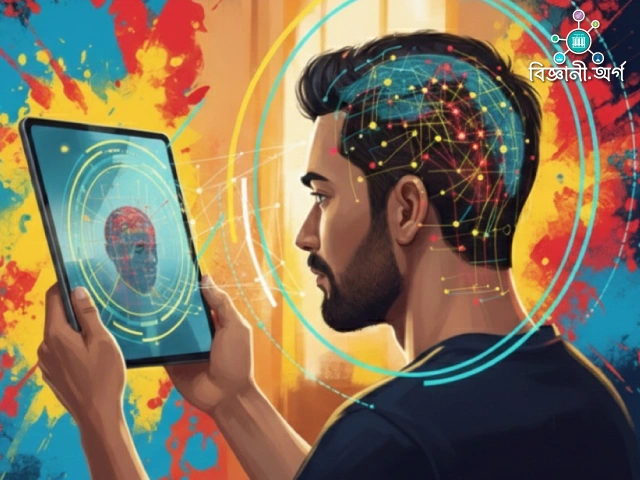
Hearing the words “your hair is falling out” can stir up a strange storm in many people’s minds. Standing in front of the mirror, seeing yourself differently each day, suddenly searching “balding stage” online, or getting a haircut at the salon in anxious silence—these experiences are all too familiar to many. In reality, the marketplace is filled with so many differing opinions, products, and clinic advertisements about hair loss that it becomes hard to separate fact from fiction. Amid this confusion, a French entrepreneur came up with an idea that has now taken the form of an AI-powered app—MyHair AI.
Cyriac Lefort was just getting a regular haircut at a New York salon. He was only 32 years old at the time. The hairdresser suddenly told him his hair was thinning—but interestingly, didn’t say the same to his friend sitting next to him. This left Lefort conflicted. He had never thought about losing his hair, but when someone says something so confidently, doubt creeps in. Out of that doubt, he ended up buying an expensive shampoo. Later, he realized that simply fearing “hair loss” is often enough to make people buy any product. When he eventually visited a doctor, it turned out he wasn’t losing hair at all. But by then, he understood—this entire industry runs on emotions, and wherever there’s emotion, confusion easily follows.
This experience pulled him even deeper into the issue. He started investigating why there are so many conflicting opinions about hair loss, why every clinic claims to be the best, and why the internet is full of fake reviews. That’s when the idea struck: what if a neutral technology could reveal the real truth? From this thought, MyHair AI was born—an app that analyzes photos of your scalp to accurately tell whether you are actually losing hair.
Lefort and his co-founder, 28-year-old Tillen Babnik, both come from the tech startup world. In just a few weeks, they used so-called “vibe coding” to create the first version of the app. The user’s task is simple—take a few photos of their scalp and upload them to the app. The AI then analyzes the images, measures hair density, looks for early signs of thinning, and tracks changes over time. This way, you can see where your hair stands after three, six, or twelve months.
The backbone of this technology is a specialized AI model trained on more than 300,000 photos of scalps and hair. Unlike typical language-based AI, this model is purpose-built for hair analysis, examining structure, density, and hairline to give a medically-informed opinion. Instead of panicking with Google searches or relying on salon guesses, you receive a data-driven analysis here.
Today, MyHair AI has over 200,000 users and more than a thousand premium subscribers. It’s not just ordinary people—some clinics are using this technology to speed up initial patient assessments. The app has already analyzed over 300,000 scalp images. Recently, renowned dermatologist Dr. Tess has joined the company’s board, further boosting the credibility of this venture.
The app doesn’t stop at simply diagnosing the problem. It suggests personalized care routines based on your hair type, provides scientific explanations of potential products, and even informs you about possible side effects. In other words, the AI explains the logic behind why a particular shampoo or serum is suitable—or not. As Lefort puts it, “We want to bring transparency and medical accuracy to this $50 billion market.”
Hair loss isn’t just a beauty issue; it’s also linked to mental health. Many people lose confidence and experience increased social anxiety. When AI can offer an impartial ‘medical opinion,’ it provides an opportunity to ease many people’s fears, doubts, and worries. In countries like Bangladesh and across South Asia, where social pressures about hair loss are significant, such technology could open a new door to peace of mind.
Of course, the question remains—can AI ever replace doctors? Experts say it will never be a true alternative to medical treatment; instead, it’s a preliminary screening tool. If you’re in doubt, it’s always advisable to consult a specialist dermatologist. Still, having the right information in the early stages means not wasting money and time going down the wrong path.
According to Lefort, men have two major health concerns—sexual issues and hair loss. MyHair AI wants to offer a tech-based solution to at least one of those. In the future, they plan to add features like clinic booking and direct communication with specialists to the app, so that AI can truly work “in the real world.”
In the end, the question is yours—will you turn to AI to know your hair’s fate? Without having to speak to anyone publicly or feeling embarrassed, if you could get an unbiased answer just by using your smartphone camera, for many this could become a new source of reassurance. Modern AI isn’t just sketching images or writing poems—it now aims to restore, even if only a little, our lost confidence.
Source: https://techcrunch.com/2025/11/26/are-you-balding-theres-an-ai-for-that/