In the world of technology, the name Apple inspires a kind of unwavering trust. Wherever they set foot, it seems a new revolution is about to unfold. From phones to watches, laptops to tablets—Apple has redefined everything. So naturally, when news broke that Apple was entering the healthcare sector, many assumed it was game over for everyone else. But perhaps this very overconfidence is the biggest trap waiting for Apple.
Healthcare is not your typical technological challenge. If technology alone could solve these issues, we would have untangled its knots long ago. The reality is, the core challenges in healthcare lie in policy-making, environmental risks, human behavior, and persistent mental stress and toxic environmental exposures. A smart dashboard or a mobile app can’t solve such deep-rooted problems.
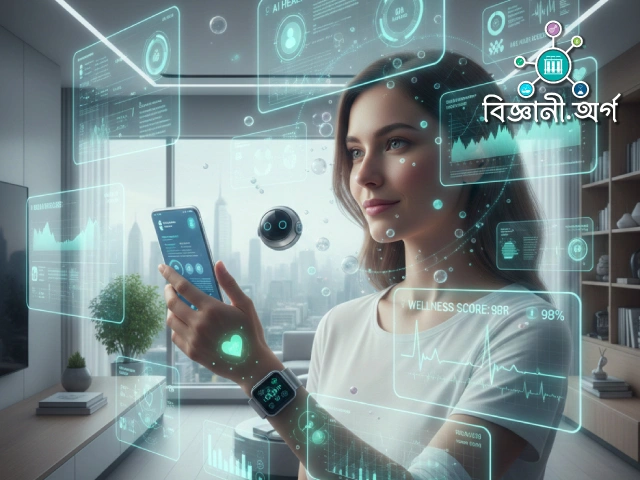
Recent leaks suggest Apple’s new initiative, Project Mulberry, is essentially an AI-based health coach. It will analyze user biomarkers, plan your diet, suggest exercise routines and postures—all controlled from your iPhone. Technologically, it sounds incredible—but the main question remains: are people truly ready for yet more notifications, alerts, and guidance?
We live in a world where countless apps, watches, and bands constantly tell us when to walk, when to sleep, or how much water we’ve had. The result: we’re exhausted, confused, and almost numb from information overload. The true goal of healthcare technology should be to cut through the noise and clarify the real signals—not just add new layers of information.
This is where alternative technologies like the Ōura ring offer a different example. It’s not always present, but provides the right insight at the right moment—and stays out of sight the rest of the time. The real future probably lies in this direction—amplifying the signal, not the noise.
If Apple truly wants to win, it must focus on making health a natural part of everyday life. Apple has the power to bring basic health knowledge to millions. They could create a culture where health tracking is normal, without any embarrassment or discomfort.
Because the real winners in healthcare won’t just build symptom-counting machines. They will help us change our lifestyles. More importantly, they will contribute to changing the social and environmental systems behind those shifts.
Today’s big question isn’t whose hands hold our health data—it’s who is actually helping us make meaningful decisions from that data. The future of healthcare depends on the ability to bring about this transformation.
Apple might become a major player in healthcare in the coming days. But that victory won’t be about technological brilliance—it will depend on understanding human behavioral realities, policy frameworks, and environmental challenges. Technology is truly powerful when it helps people take real action—not just store more data, but to drive real change in their lives.
In countries like Bangladesh, where healthcare is still largely in crisis, this discussion is even more important. We must also consider whether we are just getting lost in the allure of new technology, or actually leveraging it for sustainable change in people’s lives. If Apple can do that, they might truly win this healthcare race one day. But if they can’t, they’ll remain just another seller of smart devices.