


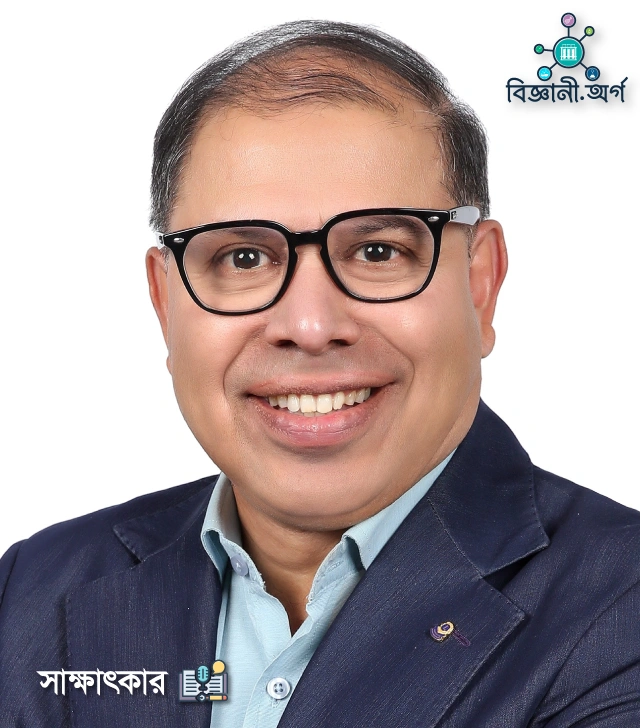
Dr. Safi Bhuiyan is a public health specialist and educator of Bangladeshi origin who rose from the devastation of being shot as a child during the 1971 Liberation War to become a pioneer in advancing global health. His life story is a powerful inspiration—demonstrating how the unwavering willpower, higher education, and dedication of a war-injured child transformed him into a global leader and innovator in public health. For readers and students alike, this is a lesson that with vision, hard work, and a spirit of collaboration, anyone can overcome adversity and effect positive change in society.
Dr. Safi Bhuiyan’s story shows us we must dare to dream of change and have the courage and patience to start that change from within ourselves.
Childhood and the Trauma of Liberation War
Dr. Safi Bhuiyan was born in a rural setting, where he witnessed one of the bloodiest chapters of his nation’s history as a child. At just five years old during the 1971 Liberation War, he was critically wounded by gunfire. Luckily, a swift intervention by an elderly woman from the village saved his life. As a result, Dr. Safi Bhuiyan refers to himself as someone who was given a “second life”. Growing up amid stories of courage during the war imbued him with deep patriotism and a spirit of humanitarian service. Those childhood wounds and the miraculous memories of survival later shaped his determination to do something meaningful for society.
Entering Medical Education and the Attraction to Public Health
Driven by his early experiences and a vow to serve humanity, Dr. Safi Bhuiyan chose to pursue higher education in medicine. He earned his MBBS (Bachelor of Medicine and Surgery) from Sir Salimullah Medical College in Dhaka. Even in the early days of his career as a young physician, his spirit of service was clear. Upon qualifying, he played a pivotal role in establishing Bangladesh’s first asthma center. He then joined Bangladesh Medical College as an assistant registrar, dedicating himself to patient care and mentoring young doctors. His interest in improving health among rural communities grew during his work at the Directorate of Family Planning after joining government service.
Although he began his medical career in anesthesia, Dr. Safi Bhuiyan soon realized that treating only a handful of patients in the hospital would not fulfill his purpose. True to the dreams he fostered since childhood, he gravitated towards primary health care, especially maternal and child health. Dr. Safi Bhuiyan began to envision a health system where even vulnerable mothers in rural areas would be empowered, and every child could grow up healthy. While he once received care from his mother, he did not benefit greatly from the health system at that time; he was determined to fix this gap. This motivation led him to dedicate his life’s work to maternal and child health.
From Physician to Researcher & Educator: A Change in Profession
While working to improve maternal health in Bangladesh, Dr. Safi Bhuiyan realized that the health system he dreamed of building faced numerous obstacles in the usual paths. Unable to bring about his desired changes in the existing work environment, he decided to take a different route. To gain specialized expertise in maternal and child health, he recognized the need to pursue further studies and research, both at home and abroad. As a result, he planned to complete a postgraduate (master’s) degree in primary health care, followed by a PhD.
Dr. Safi Bhuiyan felt that if changing the system directly from the field was challenging, it was crucial to train a new generation of professionals who could bring about those changes in the future. He chose the path of empowerment through teaching. In his view, when a health system collapses, only by equipping the young generation with modern knowledge can it be rebuilt. The COVID-19 pandemic exposed the fragility of health systems not only in Bangladesh but worldwide. Thus, cultivating an educated and skilled youth is essential for innovation and rebuilding in this sector. Dr. Safi Bhuiyan believed that empowering and raising a capable, conscious new generation would enable mothers to be empowered, give birth to healthy children, and lead to a more prosperous generation. With this goal, he found himself more effective as a teacher and researcher than as a practising doctor. Accepting the realities, he did not hesitate to shift his profession; rather, he embraced it as his mission.
Initiatives and Contributions in Maternal and Child Health
Dr. Safi Bhuiyan has made notable contributions to maternal and child health, both in Bangladesh and internationally. In Bangladesh, he played a key role in modernizing and expanding the Azimpur Maternity Hospital. With the support of the Japanese government, he worked as the Bangladeshi liaison officer for the reconstruction of this 270-bed maternal and child health center. As a result, Azimpur Maternity Hospital has set a benchmark for maternal care in the country, ensuring high-quality services for pregnant women and newborns. Through this project, Dr. Safi Bhuiyan was able to realize part of his dream—a health facility that stands as a model for maternal protection and empowerment.
From establishing the first asthma center in the country to working on family planning programs at the grassroots, Dr. Safi Bhuiyan has always focused on the health of marginalized communities. He has extended his work in maternal and child health internationally, acquiring and sharing knowledge through training and research in various countries. Through his students and colleagues in Canada and around the world, he has made indirect contributions to improving maternal health. For example, he has trained countless international physicians and health professionals, each serving mothers and children in their own communities. He is also involved in an international project to digitize a “Maternal and Child Health Handbook,” bringing together knowledge on healthy motherhood and childhood care from different countries. Through these initiatives both at home and abroad, Dr. Safi Bhuiyan stands as a shining example that sustainable change in health can be achieved even with limited resources if there is the right plan and dedication.
PhD in Japan and the Path of Social Medicine
The Japanese experts at Azimpur Maternity Hospital became deeply impressed by Dr. Safi Bhuiyan’s people-centric approach. They noticed that this Bangladeshi doctor was more concerned with overall human well-being than just technology or individual diseases. Consequently, Osaka University in Japan invited Dr. Safi Bhuiyan to join their “Human Sciences” PhD program, which integrates anthropology, public health, international cooperation, and volunteerism under one curriculum—the primary focus being not just curing disease, but ensuring the overall wellness of society. In this pioneering and prestigious program, Dr. Safi Bhuiyan became a trailblazer; he and his supervisor Professor Yasuhida Nakamura were among the few with a medical background. Learning from his interdisciplinary peers and faculty further broadened his perspective and deepened his research. He regards his PhD experience in Osaka as a transformative chapter in his life, helping shift his focus from purely clinical medicine to society’s broader needs.
Before his PhD, he completed a master’s in public health at Mahidol University in Thailand, where he had the opportunity to conduct research on urban health. A professor at Mahidol (who was himself, by chance, also a physician) encouraged Dr. Safi Bhuiyan to recognize the importance of research. It was there that Dr. Safi developed the habit of pursuing the “why” and the “how”—why illnesses occur and how to prevent and solve them. The professor explained through examples that it is not enough to only see patients; one must search for the root causes and use scientific methods to address them. This inspired Dr. Safi Bhuiyan to become a social scientist and researcher in addition to being a physician. He knew this path would not be easy, but was undeterred by the risks of change. He believed that “Change may be difficult, but change is the path to progress.” As he often says, “Impossible is nothing; even the word ‘impossible’ itself says ‘I’m possible’.” With this optimistic determination, Dr. Safi Bhuiyan delved into PhD research in Japan, often as a pioneer in his field, and this courage became the foundation of his subsequent success.
Teaching at Mahidol University and the Return to Japan
After earning his PhD, Dr. Safi Bhuiyan contemplated his next step—whether to continue research or university teaching, weighing these two academic paths. Professors at Osaka included him in teaching and various research responsibilities, through which he discovered the joy of sharing knowledge in the classroom. Dr. Safi Bhuiyan also tried to return to Bangladesh; unfortunately, the authorities did not recognize his qualifications, offering him only a district-level medical officer post. For a PhD-level social medicine scholar, a posting in Karimganj was a significant barrier to fulfilling his ambitions. Setting aside his desire to serve in Bangladesh, he accepted an international teaching opportunity instead.
Mahidol University in Thailand, close to Bangladesh, is a leading institution for public health in Southeast Asia. Dr. Safi Bhuiyan joined as a Foreign Technical Expert, teaching master’s and PhD students in public health management. This was his first formal academic appointment after receiving his degree from Osaka University. After approximately two years of teaching in Thailand, he received another rare honor—the Japan Society for the Promotion of Science (JSPS) postdoctoral fellowship. With this fellowship in 2007, he made a “homecoming” to Japan, returning to Osaka University as a postdoctoral researcher and faculty member.
After his second stint in Japan, familial priorities led Dr. Safi Bhuiyan to embark on a new journey to a different continent. As a family man, he always prioritized his children’s education and well-being, and with the family’s future in mind, he moved from Japan to Canada.
Immigration to Canada and the Initial Struggle
Upon moving to Canada, Dr. Safi Bhuiyan started afresh with his family. In North America, it’s common for highly educated immigrants to struggle in finding jobs that match their qualifications.
Dr. Safi Bhuiyan knew that landing a prestigious job would not be easy and he accepted this reality before arriving. His chief concern was ensuring a safe and high-quality educational and health environment for his children. Since his talent was not fully recognized in Bangladesh, the family decided to settle permanently in North America. Embracing this sacrifice, he focused earnestly on establishing himself in his new society.
During his early days in Canada, Dr. Safi Bhuiyan realized the importance of professional networking. He believes, “Friends are life’s most precious asset—build bridges, never break them.” He informed a Canadian colleague that he had arrived in the country. This colleague was previously acquainted from international conferences where Dr. Safi Bhuiyan had presented research. Although unable to offer him a direct position due to budget constraints, the colleague referred him to another employer. Following the advice, Dr. Safi Bhuiyan promptly sent his CV and soon received a job offer after an interview. Remarkably, within just a few days of arriving in Canada, he secured a role as senior manager and scientist (research manager & scientist) in a health research project. Where most immigrant professionals have to navigate local qualifications and many obstacles, Dr. Safi Bhuiyan’s rapid success was indeed exceptional.
At the start of his career in Canada, Dr. Safi Bhuiyan quickly adapted to the new environment. Eager to learn from peers, he gained trust through respectful behavior, hard work, and enthusiasm. Within two years, he developed a deep understanding of his organization’s work culture. One day, his supervisor advised that Dr. Safi Bhuiyan truly carried the torch of an educator—if he taught at a university, his vast experience and knowledge would have a greater impact, especially in the areas of maternal and child health and health systems, where his expertise is exceptionally valuable for students. The supervisor introduced him to the dean and faculty at the University of Toronto’s Global Health Department, facilitating a smooth transition from the private sector to academia, which marked another major turning point in his career.
The ITMD Program for Immigrant Doctors
Upon establishing himself in Canadian academia, Dr. Safi Bhuiyan noticed that many immigrant doctors, nurses, and other internationally trained health professionals were suffering due to a lack of proper job opportunities. Drawing from his own experience, he understood that with proper guidance and training, their talent could be harnessed for Canada’s health sector. In 2013, he initiated discussions with the then-president of Ryerson University (now Toronto Metropolitan University) in Toronto. Through his proposal, in 2014, the “Internationally Trained Medical Doctors (ITMD) Bridging Program” was launched—a specialized course designed to integrate immigrant doctors into the mainstream health sector.
Dr. Safi Bhuiyan played a central role in designing, teaching, and coordinating this program. In addition to preparing foreign-trained doctors for the Canadian medical licensing exams, the bridging course also helped them find alternative career paths. Dr. Safi Bhuiyan prioritized three core competencies: research, health management, and communication & leadership. With his wholehearted efforts, this course found an enthusiastic response among immigrant doctors. Between 2014 and 2022, over 475 doctors from nearly 50 countries received training through this initiative. The program was so effective that, where previously only 5% of immigrant health professionals succeeded in mainstream careers, now many more opportunities became accessible. According to Dr. Safi Bhuiyan’s records, about 30% of participants in his program managed to secure roles in Canada’s health sector.
Initially designed for physicians, the model was later expanded to include all internationally educated health professionals—nurses, pharmacists, technologists, and even candidates with backgrounds in biology or information technology. With each semester admitting a select group (about 25), Dr. Safi Bhuiyan continued to operate this multidisciplinary training program. The university recognized his efforts by appointing him as “Distinguished Visiting Professor,” granting him full authority to implement the initiative. After a decade of successful solo management, he transferred the program in 2022 to the University of Toronto’s School of Continuing Education for its long-term sustainability, following administrative changes.
Dr. Safi Bhuiyan’s ITMD program has been a beacon of hope for immigrant health professionals. He believes that Canada’s health system, long operating under the same structure, urgently needs workforce diversification—especially as over 50% of the population now has an immigrant background. Adding diversity and new skills requires the inclusion of highly educated immigrant doctors. His philosophy was “Education is the Solution”—meaning solutions must come through education and training. The higher the pool of qualified professionals, the faster they can step in when change is needed. Simply talking about change will accomplish nothing in fifty years—so he planted the seeds for change through education. In 2022, Dr. Safi Bhuiyan led multiple workshops at the annual conference of the Medical Council of Canada, where strategies for such transformation over the next three years were discussed. After nearly a decade of tireless effort, he is now seeing positive results—the doors of career advancement are beginning to open for many immigrant health professionals, and the inclusion of multicultural talent in the Canadian health system is increasing.
Work at University of Toronto and Toronto Metropolitan University
After securing his new role in Canada, Dr. Safi Bhuiyan soon became actively involved in academia. Following his supervisor’s advice, he joined the University of Toronto’s Global Health Department as a lecturer. By 2012, he developed and introduced several new courses at the master’s and PhD levels, including a Multidisciplinary Seminar and a course on International Development. He independently designed the curricula and began teaching. Using social media to reach students, his courses quickly gained popularity, and he remembers the large student turnout in 2012 as a significant milestone.
In addition to teaching, Dr. Safi Bhuiyan has served as a distinguished visiting professor at Toronto Metropolitan University (formerly Ryerson), where he established and ran the ITMD Bridging Program for immigrant doctors. By working in parallel at two universities, he was able to bridge academia and the real world (industry and employment sector). As a professor at the University of Toronto, he has led various program committees, admissions committees, and curriculum development teams, as well as participating actively in a wide range of research projects. This multifaceted involvement granted him a holistic viewpoint—he witnessed firsthand how connecting academic knowledge with real-world skills can best prepare students for the future.
Interdisciplinary and Solution-Oriented Curriculum Development
A key feature of Dr. Safi Bhuiyan’s teaching is its interdisciplinary and solution-focused approach. He believes that running a health system requires not just one profession but the coordination of experts from multiple fields. That’s why students in his global health classes include, besides medical students, nurses, pharmacists, engineers, public health professionals, and anthropologists. In these diverse classrooms, they analyze and compare the health systems of developed (G7) countries, resource-rich middle-income countries, and low-income nations. The aim isn’t merely to learn from high-income countries—even innovative approaches from developing nations can offer valuable lessons. Such cross-country, interdisciplinary education has been enthusiastically embraced by students.
Instead of rote memorization, Dr. Safi Bhuiyan emphasizes problem-based learning. Classes don’t follow a single textbook; rather, they discuss various research studies, projects, and personal experiences. He challenges students to identify real problems and investigate solutions using scientific methods. Learners analyze issues from various contexts, discuss with peers and teachers, and develop solution-driven approaches. This “problem identification and resolution” method helps students develop practical skills instead of mere memorization. The curriculum exposes them to real-world challenges rather than a theoretical syllabus, and equips them with strategies to tackle them. As a result, Dr. Safi Bhuiyan’s courses quickly gained popularity and students continue to benefit from them in the long term.
Dr. Safi Bhuiyan observes that syllabuses in South Asian countries are still largely outdated; the rote-based learning inherited from the British era doesn’t meet today’s job market demands. Through firsthand experience in corporate and industrial sectors, he has observed the practical skills required in real workplaces. He applies those insights to curriculum development, ensuring his students are well-equipped for the real world upon graduation. With these needs-based curriculum reforms, Dr. Safi Bhuiyan strives to make education modern and effective for future generations.
The Use of Technology in Healthcare and New Initiatives
Dr. Safi Bhuiyan passionately advocates for harnessing technology to make health systems more efficient and far-reaching. He teaches his students that healthcare is shifting away from the traditional model where only doctors, nurses, or technologists work in hospitals; now, fields like “health informatics” and e-health are rapidly evolving. Health informatics is the science of using information technology and artificial intelligence (AI) to collect, analyze, and manage health data. In this area, joint efforts by clinicians and computer engineers are producing innovative solutions that can make healthcare more effective and accessible.
Dr. Safi Bhuiyan uses real-life examples to demonstrate how AI and IT can drive positive change in health. For instance, diabetic patients in Bangladesh often finish their treatment by simply taking prescribed medicines; there’s no avenue to improve life habits or learn from other patients’ experiences. Dr. Safi Bhuiyan believes that building an AI-powered digital network where diabetic patients can share experiences and advice would allow them to learn from each other and improve their quality of life.
Take, for example, the country’s hospitals. Information such as bed availability and patient admissions/discharges is often kept in handwritten logs, which are frequently opaque and error-prone. Dr. Safi Bhuiyan envisions a modern database and AI-powered system, so that a hospital director could check on a computer in the morning to see how many patients were admitted in the past month, how many will be discharged in the coming days, and which beds will be available—ensuring transparency, reducing irregularities, and optimizing resource use.
Another example of improving healthcare through digital technology is in innovative maternal and child health records. Under Dr. Safi Bhuiyan’s leadership, work is underway to convert the “Maternal and Child Health Handbook” into software on an international scale. In many countries, information about maternal and child care is still recorded in handwritten booklets; he is developing a digital platform where a mother can fill out all her antenatal and postnatal information online and have it automatically added to a central health database. This eliminates redundant data entry, reduces errors, and enables policymakers to make quick decisions based on rich datasets.
Dr. Safi Bhuiyan also encourages the younger generation that you don’t have to be a physician to contribute to healthcare. An engineer or IT specialist can have an equally vital role—what’s needed is the mindset to use technological skills for human well-being. He urges young technologists to pursue higher education in areas such as health data analysis, biomedical engineering, and data science, enabling them to apply their technical expertise in public health. He references graduate health informatics programs in Canadian universities, where both technical knowledge and commitment to service are valued. According to Dr. Safi Bhuiyan, aspiring candidates should highlight their leadership qualities, communication skills, innovative thinking, and work ethic in applications and interviews. Under his mentorship, many trainees have established themselves in new branches and are now contributing to the community through technological innovation in health.
Data Infrastructure and Research Limitations in Bangladesh
Regarding Bangladesh, Dr. Safi Bhuiyan notes that the lack of reliable data infrastructure is a major problem for healthcare. In the late 1990s, when he tried to research low-birth-weight babies, he encountered three different sets of statistics on the same topic—one from the government, another from NGOs, and a third presented to international donors. In other words, there was no single reliable database; data would shift based on needs and objectives. The government would provide one kind of data to donors, NGOs another to secure funding, and after a project’s completion, success would be inflated with different figures. There is no effective central authority to verify or consolidate all this data. Dr. Safi Bhuiyan describes this situation as very unfortunate. He does not blame any individual or institution directly, but rather points to deep-rooted flaws in the education and administration systems.
Dr. Safi Bhuiyan observes that Bangladesh’s educational structure does not sufficiently emphasize research. Most university students memorize textbooks, pass exams, and obtain degrees, but lack a research mindset or scientific curiosity. Consequently, in both government and private sectors, there is no culture of sustained data collection and analysis. For example, in developed countries, cohort studies (longitudinal research on similar populations) are conducted for decades, resulting in robust databases to inform policy. This level of ongoing research is rare in Bangladesh. As a result, there is no substantial “data bank”—we end up relying on Western data for local policy and try to adapt it to the Bangladeshi context, even though the fit may not be good and decisions may not be effective.
Another reason for weak research infrastructure is lack of investment. Dr. Safi Bhuiyan points out that a single small department at his U.S. university’s School of Public Health has a research budget exceeding $27 million per year, while the combined research budgets of all Bangladeshi universities are nowhere near that sum. In Japan and Western countries, billions are invested in building laboratories and research centers, whereas in our country, research often remains tied to individual projects. When a donor-funded project ends, data collection and research typically stop too; the lessons learned from the findings are not carried forward. Dr. Safi Bhuiyan feels the attitude of “expansion from evidence”—scaling up proven solutions from small projects—is missing. Only by systematically expanding the knowledge gained from small research efforts can we achieve sustainable national change.
This weak data and research infrastructure has a direct impact on health policy. Dr. Safi Bhuiyan notes that in Bangladesh, maternal health interventions still focus mainly on managing postpartum hemorrhage and maternal malnutrition during pregnancy. Most resources are consumed by these basic challenges. There is little attention to why mothers might suffer from severe postpartum depression or how to improve their mental health—areas now being researched in advanced countries. He points out that many mothers still do not receive all three designated pre-delivery check-ups or return for postnatal visits; even after much effort, this coverage still struggles to exceed 60%-70%. But why is this? We have no robust database to provide answers. Again, hospital registers often list the same symptoms or causes for fifty mothers—an impossibility in reality. When registering causes of death, many entries simply list “cardiorespiratory failure” instead of the true cause, describing the outcome rather than the underlying condition. Working with such inaccurate data makes it impossible to reach valid policy decisions. Dr. Safi Bhuiyan insists that genuine advancement in health requires everyone—from education to health administration—to value research and prioritize data-driven decisions.
Innovation, Capacity Building, and the Dream of Global Collaboration
Dr. Safi Bhuiyan’s professional mission stands on three pillars: empowering young professionals, empowering women, and strengthening health systems. To achieve these, he is always open to new ideas and innovations, and to collaborations across sectors. He sees himself not just as a professor but also as a curriculum innovator, health system reformer, and a bridge-builder among industry, government, NGOs, and international donors. He believes that big goals require simultaneous attempts from multiple directions—if one route fails, solutions may arise elsewhere. For this reason, he has never confined himself to a single role.
A look at Dr. Safi Bhuiyan’s leadership style shows that, while his ultimate goal remains constant, the path to that goal shifts with circumstances. As he puts it: “If I do today what I did yesterday, and repeat it again tomorrow, I will not achieve different results.” In other words, repeating the same methods can’t yield new success—continuous innovation and adaptation are necessary. After working in maternal health in Asia and Africa for nearly 20 years, and then facing new challenges in North America, he has always learned from each context and adjusted his work accordingly. But his foundational aim remains unchanged: strengthen health systems for future generations through empowerment, especially of women. He never hesitates to change his approach to keep advancing toward this steadfast mission.
Dr. Safi Bhuiyan’s core belief is perseverance through continuous effort. He repeatedly tells young people: never give up. Success isn’t a destination; it’s an ongoing process—small milestones are just steps on the journey, but the cycle of learning and doing never ends. So, after temporary failures, one should not stop but learn, regroup, and move ahead with renewed energy. He believes in teamwork: it’s better to build a team than to walk alone—you may go faster alone, but with a team you go farther. For this, you need the patience and mindset to walk together. Every chapter of Dr. Safi Bhuiyan’s life—from his war-torn childhood to national service, advanced study abroad, struggles in a new country, and global leadership—shows that the impossible can be achieved with the right perspective and perseverance.
Conclusion: Lessons of Vision, Education, Collaboration, and Perseverance
From Dr. Safi Bhuiyan’s life story, we glean several key lessons. First, determination and the ability to dream big are crucial—despite a traumatic childhood, he never stopped aspiring to serve humanity, and prepared himself to make that dream a reality. Second, knowledge and education can unleash unlimited human potential—through higher studies and research, Dr. Safi Bhuiyan raised himself to a world-class level and then devoted himself to spreading that knowledge to society. Third, the mindset of collaboration and building networks is invaluable—by bridging connections among countries and institutions, he has shown that major changes are easier through collective effort. The cooperation of friends and colleagues can unlock doors to success, as evidenced by how quickly he established himself in Canada.
Above all, the greatest lesson is that perseverance and an unyielding spirit can make possible what seems impossible. Dr. Safi Bhuiyan’s life—from surviving as a war-injured child to leading on multiple continents—is marked by this relentless perseverance. Obstacles came time and again—personal, professional, and social—but he never gave up. Rather, he learned from every twist and moved forward with new resolve. His core message to the next generation: “Never give up.” The path may change; new strategies may be required, but one must keep striving until the ultimate goal is achieved.
Dr. Safi Bhuiyan’s story shows us that someone can rise from a war-torn childhood in a remote village to become a leader of global change—if they are visionary, devoted to learning, a unifier, and steadfast. If future generations in Bangladesh draw inspiration from his example and apply their own talents and intellect in the same way, many more positive changes will unfold in our society and on the world stage—this is the greatest lesson of this life story.
Watch the full interview on YouTube:
Interview Date:
25 October 2024 (Online)
Presenter:
Dr. Moshior Rahman
(Interview presented by)
Interview Coordination:
Zaineb Bintay Ali
Gujarat Technological University, Gujarat, India
(Coordinated the interview)
Questionnaire Assistance:
Md. Jamil Khan
Metropolitan University
(Prepared the interview questionnaire)




Congratulations on your success.
Thank you! Your well wishes are very inspiring for us.