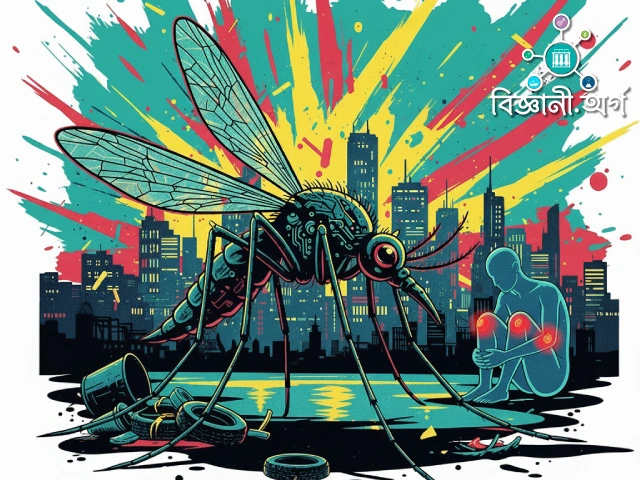
These days, mornings in Dhaka are not just notorious for traffic jams—an invisible sense of dread from the buzzing of mosquitoes has become a strange new element of city life. The silent attacks of these insects don’t just disturb sleep at night; they are causing new physical hardships for people—chikungunya. Just hearing the name makes many people afraid, while others dismiss it as just another fever like dengue. But scientists warn that this viral disease is more than just a seasonal illness; it’s a warning sign for our urban planning, public health infrastructure, and even for climate change.
The primary carrier of the chikungunya virus is the Aedes mosquito, which also transmits viruses like dengue and Zika. Since first being identified in Tanzania in 1952, this virus has spread to various countries across Africa and Asia. Bangladesh experienced its first major outbreak in 2017, when thousands of people in Dhaka suffered from high fever, intense joint pain, and weakness. Many didn’t recover from the joint pain for months. According to World Health Organization statistics, the rate of infection and the severity of symptoms are just as concerning as dengue, though the mortality rate is relatively lower.
But behind these statistics lies an important lesson. The rapid spread of chikungunya has proven just how well our urban lifestyles and infrastructure facilitate mosquito-borne diseases. Unplanned urbanization, insufficient waste management, and stagnant dirty water create ideal breeding grounds for Aedes mosquitoes. Even brief rainfall can leave standing water in alleys, rooftop pots, or discarded bottles—enough for mosquitoes to reproduce. Climate change, with shifting seasons, unpredictable rainfall, and rising temperatures, is only worsening this situation.
Symptoms of chikungunya usually appear suddenly—high fever, severe joint pain, headaches, and sometimes itchy rashes. The most distressing aspect is the joint pain, which can last from several weeks to even months. While the risk of death is low, the long-lasting discomfort can seriously affect people’s ability to work and their quality of life. There are no specific antiviral drugs or vaccines for this disease; prevention is our only effective weapon.
Prevention isn’t just about using mosquito nets or sprays indoors. It’s about a collective, social and policy-driven initiative. Without government actions—like improving urban drainage, upgrading waste management, and ensuring proper maintenance of drains and sewage systems—individual awareness alone is not enough. At the same time, small steps like regularly clearing standing water in homes and offices, not letting water accumulate in flowerpot trays, and covering water tanks can make a big difference.
The experience of dealing with chikungunya has also taught us another lesson—the importance of preparedness in the public health system. The 2017 outbreak revealed just how vulnerable our infrastructure was in disease diagnosis, awareness, and providing long-term care for patients. In today’s world, where global pandemic threats always loom, the local spread of such viruses calls for us to rethink our health policies. Not just chikungunya, but to tackle any future mosquito-borne or viral epidemic, it is essential to strengthen laboratory capacity, emergency medical systems, and public awareness programs.
Countries around the world are already researching how climate change and urbanization are increasing the spread of mosquito-borne diseases. Experts warn that as average temperatures rise, mosquito life cycles will shorten, increasing transmission rates. In densely populated, warm countries like Bangladesh, this could have devastating consequences. This is why adopting long-term policies—such as green urbanization, improved waste management, and strategies to address the impacts of climate change—is not only crucial for protecting the environment but also for safeguarding public health.
In the end,
chikungunya sends us a clear message: a health crisis is never just about a single disease, but reflects our environment, social infrastructure, and lifestyle. If we’re not alert in time, not only known viruses but also new, unknown infections could cause major disasters for urban life in the days ahead. So, along with personal vigilance, coordinated policy changes are vital—so that the buzzing sound in tomorrow’s Dhaka remains just a song, not a warning of an invisible virus.