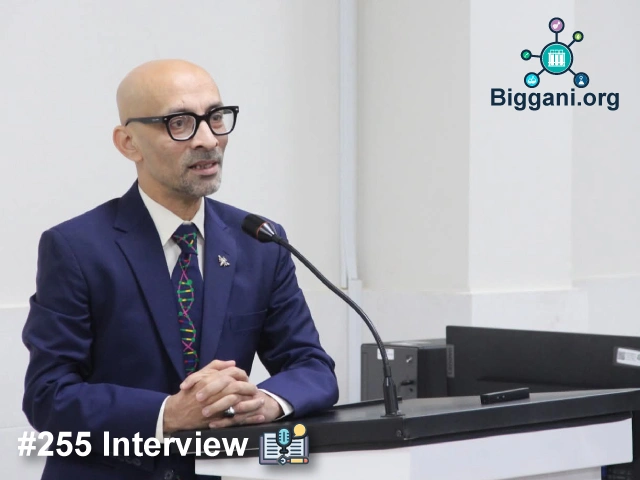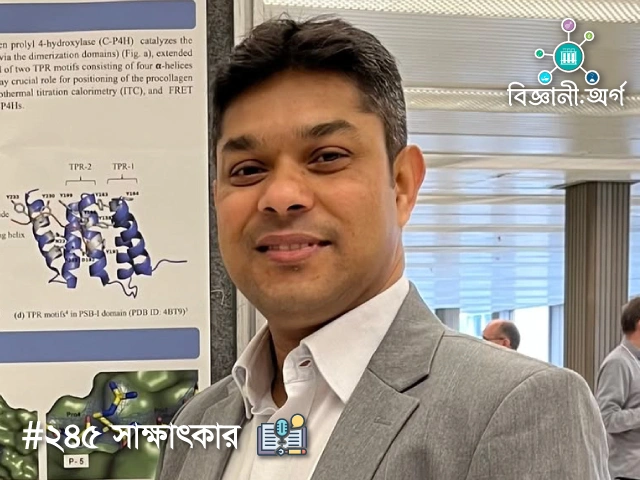
Dr. Md. Murad Hossain is a data scientist, statistician, and academic researcher. He earned his PhD in Modeling and Data Science from the University of Turin, Italy. He is currently serving as an Associate Professor in the Department of Statistics at Gopalganj Science and Technology University. He has been involved in higher education and research for over a decade.
His main research areas are data science, machine learning, statistical modeling, natural language processing (NLP), and decision support systems. He is particularly known for developing data-driven analyses and algorithmic solutions for real-world challenges in health, mental health, social inequality, and policy-making. His research has been published in international journals and conferences, including Nature Scientific Reports and IEEE Transactions on Human-Machine Systems. He has also worked as a principal and co-investigator in various government and university-funded research projects.
💬 Q&A Session:
Question: What is the focus of your research?
Answer: The main focus of my research is to use data to understand and solve real-life problems, especially in the fields of health, society, and policy-making. Simply put, I collect different types of data—like health information, public opinions, social behavior, online writings or news—and analyze them using computers and statistics to enable more effective decision-making.
Through data science, I analyze large and complex data; with machine learning, I estimate future risks; with statistical modeling, I try to understand the underlying relationships in the data; and with natural language processing, I analyze language-based data. In particular, I work on mental health, hypertension, domestic violence, and health disparities. My aim is to create decision support systems that facilitate data-driven decision-making.
Question: How does your research benefit, or will benefit, us?
Answer: The main goal of my research is to benefit society by making information-based decision-making easier and more effective. In the health sector, my research allows us to identify at-risk individuals or groups early, enabling preventive measures.
In policy-making, evidence-based analysis improves the quality of decisions and helps ensure proper use of resources. Additionally, by analyzing the real picture of issues like mental health, domestic violence, and social inequality, it is possible to raise awareness and take effective action. Teaching students how to work with real data also makes them more skilled in their research.
Question: Would you like to share any special experiences from your research?
Answer: While working on research related to mental health and domestic violence, I realized that behind every data point, there are real human lives. At first, it seemed like just a dataset, but as the analysis progressed, I understood that the results of research can truly contribute to improving people’s quality of life.
This experience taught me that research is not just for publication; it also carries a humanitarian responsibility. Additionally, guiding students in research and witnessing the growth of their confidence has been especially meaningful to me.
Question: What qualities do you think a scientist should have?
Answer: For a scientist, curiosity, patience, honesty, critical thinking, and a willingness to learn are extremely important. Failure is a part of research, so perseverance and the mindset to embrace failure are necessary. The ability to work collaboratively and a sense of social responsibility are equally crucial.
Question: What is your message to young students in Bangladesh?
Answer: I would tell young people—science is about asking questions, learning, and not giving up. Limited opportunities can never limit your dreams. There are countless opportunities to learn through the internet, open data, and online education. Regular study, skill development, and belief in yourself are the keys to success. Start small, but set big goals.
Contact information:
Email: [email protected]
🔗 Profile Links
Google Scholar: https://scholar.google.com/citations?authuser=4&user=wXMN9d0AAAAJ
LinkedIn: https://www.linkedin.com/in/md-murad-hossain-2157b3212/
Dr. Md. Murad Hossain’s research is an effort to make data-driven decision-making effective across different segments of society. His application of data science in health, social issues, and policy-making is a special aspect of his work. Along with research, his initiatives to enhance student skills are notable.
The biggani.org team wishes Dr. Md. Murad Hossain continued success in his research activities. May his work become a source of inspiration for young researchers in Bangladesh.
Exploring Data Science and Social Impact — An Interview with Dr. Md. Murad Hossain
Dr. Md. Murad Hossain is a data scientist, statistician, and academic researcher. He earned his PhD in Modeling and Data Science from the University of Turin, Italy. He is currently serving as an Associate Professor in the Department of Statistics at Gopalganj Science and Technology University, Bangladesh. With over a decade of experience in teaching and research, he has been actively engaged in academic and applied research activities.
His primary research areas include Data Science, Machine Learning, Statistical Modeling, Natural Language Processing (NLP), and Decision Support Systems. He focuses particularly on applying data-driven methods to address real-world challenges in public health, mental health, social inequality, and policy-making. His research has been published in internationally recognized journals, including Nature Scientific Reports and IEEE Transactions on Human-Machine Systems. He has also worked as a principal and co-investigator in several government- and university-funded research projects.
💬 Interview Section:
Question: What is your main research focus?
Answer: My main research focus is using data to understand and help solve real-life problems, particularly in the areas of health, society, and policy-making. In simple terms, I collect and analyze different types of data—such as health records, public opinions, social behavior, and online texts—using statistical and computational tools to support better decision-making.
I work extensively in Data Science to analyze complex datasets, use Machine Learning to predict risks and trends, apply statistical modeling to understand relationships within data, and use Natural Language Processing (NLP) to analyze language-based information. My goal is to develop decision support systems that help doctors, policymakers, and researchers make data-driven decisions.
Question: How does your research benefit society?
Answer: My research aims to make data-driven decision-making more effective and accessible. In the health sector, it helps identify individuals or groups at higher risk of disease, enabling preventive action and reducing long-term healthcare costs.
In policy-making, evidence-based analysis improves the quality of decisions and ensures more efficient resource allocation. Additionally, by analyzing issues such as mental health, domestic violence, and social inequality, research can provide insights that raise awareness and inform targeted interventions. I also guide students in working with real datasets, helping them develop practical research skills.
Question: Would you like to share any special research experience?
Answer: While working on research related to mental health and domestic violence, I realized that behind every data point there is a real human story. Initially, the dataset seemed like just numbers, but deeper analysis revealed the social realities and challenges faced by individuals.
This experience taught me that research is not only about publishing papers; it carries a human responsibility. If research findings can help identify vulnerable populations early, they can positively impact lives. Mentoring students and seeing their confidence grow through research has also been a meaningful experience for me.
Question: What qualities are essential for a scientist?
Answer: A scientist must have curiosity, patience, honesty, critical thinking ability, and a willingness to learn. Research often involves setbacks, so perseverance and the ability to accept failure are important. Collaboration skills and a sense of social responsibility are equally essential.
Question: What message would you give to young students in Bangladesh who want to pursue science?
Answer: I would encourage young students to remain curious and persistent. Limited resources should not limit ambition. Today, there are numerous online resources, open datasets, and learning platforms available. Regular study, skill development in coding and data analysis, and self-confidence are key to success. Start small, but aim high.
Contact Information:
Email: [email protected]
🔗 Profile Links
Google Scholar: https://scholar.google.com/citations?authuser=4&user=wXMN9d0AAAAJ
LinkedIn: https://www.linkedin.com/in/md-murad-hossain-2157b3212/
Dr. Md. Murad Hossain’s work reflects the growing importance of data-driven research in addressing societal challenges. His contributions in applying data science to health, social issues, and policy-making demonstrate how analytical tools can support informed decisions. Alongside research, his commitment to mentoring students strengthens the development of future researchers in Bangladesh.
The biggani.org team extends its best wishes to Dr. Md. Murad Hossain for his continued success. May his work continue to inspire young scientists and researchers in Bangladesh and beyond.