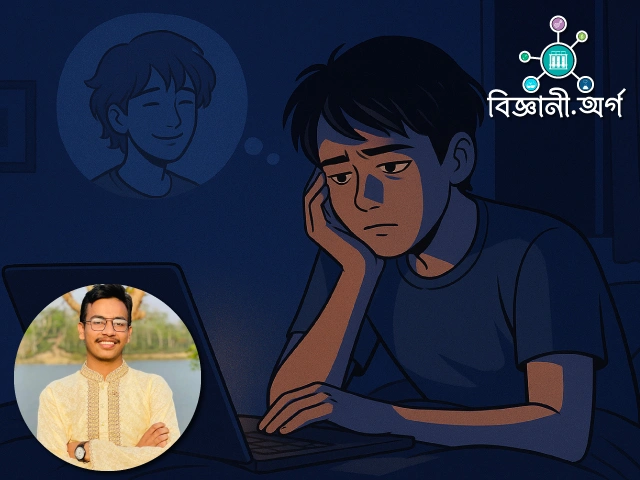
It’s 1 am. I can’t sleep, and a scene from this afternoon keeps replaying in my mind. My roommate was tutoring a boy, and after the lesson, the boy suddenly said he couldn’t concentrate on his studies. When asked why, he explained that his best friend no longer values him like before, has grown distant. He was speaking as if only he could hear the sound of some invisible fracture. He went on to say that every day he pours this pain into his diary, and sometimes feels like ending his own life. Such intense emotion at such a young age! I couldn’t help but laugh, but behind that laughter a deep question lingered: Why do young people break down so intensely? Why does even a little distance seem like the end of the world for them? Is the pull of friendship really so terrifying, or are there deeper psychological currents at play?
Adolescence is like this by nature; a storm brews in the brain and emotions arrive with abnormal intensity. Friendships or relationships start to revolve at the very center of life; if you give someone a little extra importance, that person seems like your whole world. When someone grows distant, it feels as though a part of you has been cut away. Crying endlessly in a diary, feeling worthless, the restlessness—these are all normal parts of development at this stage. The problem begins when these feelings are misnamed or shamed. If someone says these are signs of ‘abnormal’ tendencies or calls it ‘gay-type’ behavior, such misinterpretation only fills the child with fear, shame, and confusion. The intensity of friendship or excessive emotional expression is not a distortion of sexuality; rather, it is a part of brain and identity formation, a way to seek security, and a process of self-understanding.
This is where the role of parenting becomes most important. When parents say, “Why are you crying so much like a boy?” or “This is girly behavior,” they belittle the child’s feelings and teach them only to suppress their emotions. But holding back a child’s feelings, shaming them, or frightening them will never make them stronger; instead, it will only intensify guilt, isolation, and inhibition. Children need a safe haven where they can openly express how they feel, where they won’t be shamed for making mistakes, and where emotional expression isn’t seen as weakness. Parents should accept their child’s emotions and help them understand that having feelings isn’t a weakness—it’s a natural part of being human. When they know someone is there for them at home who listens, the departure or distancing of a friend won’t destroy their world; rather, it will simply be a small chapter in their life experience.
Children need to be taught how to set healthy boundaries in relationships and how to build life goals centered on themselves. Instead of making friendship the only anchor in life, developing self-esteem based on one’s own identity and strengths provides long-term security. You might call it shaping yourself in a way that your emotional world doesn’t get swept away entirely by others’ actions. This way, even unexpected separations don’t become completely destructive but are seen as a normal part of life. Additionally, loneliness, excessive screen time, and social isolation can greatly intensify teenagers’ emotions; thus, if the environment allows them to participate in real friendships, family, or activities, the emotional rollercoaster may become a bit calmer.
Here lies the essence of modern parenting: not misnaming the child, but accepting their feelings with understanding and empathy. If parents give their children the freedom to express both joy and sorrow, encourage them to think for themselves, and urge them to seek mental health support when needed, then the departure of a loved one will not bring their life to an end. Instead, that very experience may become a lesson in building one’s inner self. The emotions of adolescence are like fire—uncontrolled, it burns; but properly embraced, it brings light. So, this fire cannot be smothered with misconceptions, shame, or fear; only understanding, tolerance, and open dialogue within the family can turn it into a powerful light.
Md. Iftekhar Hossain
1st Year MBBS, Cox’s Bazar Medical College, Bangladesh | Main areas of interest: behavioral science, neuroscience, and habit science.