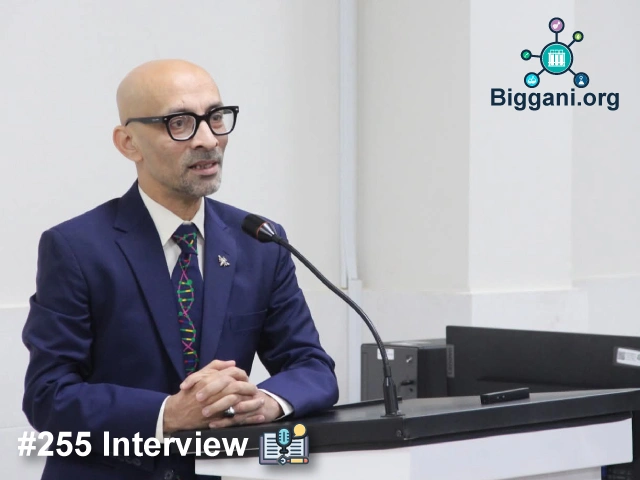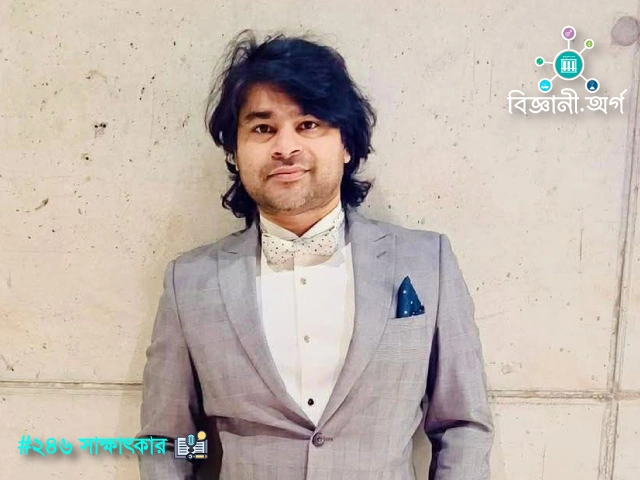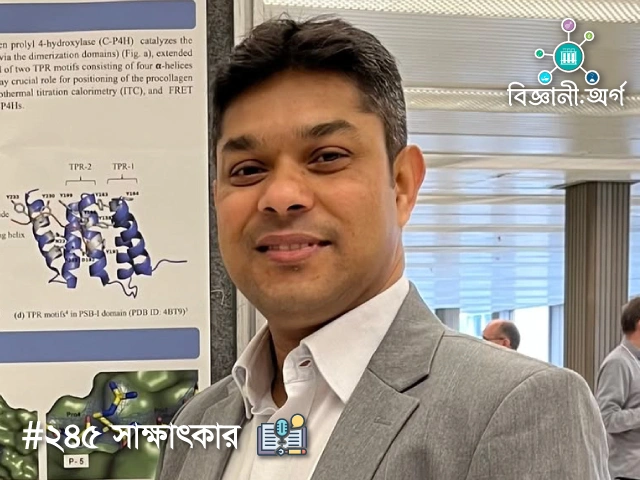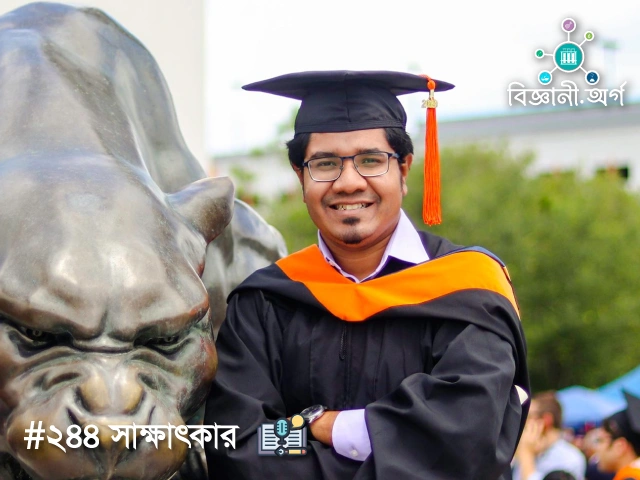
Assistant Professor, Electrical Engineering and Computer Science, University of Tennessee, Knoxville
🧑🏫 First, we’d like to know about you
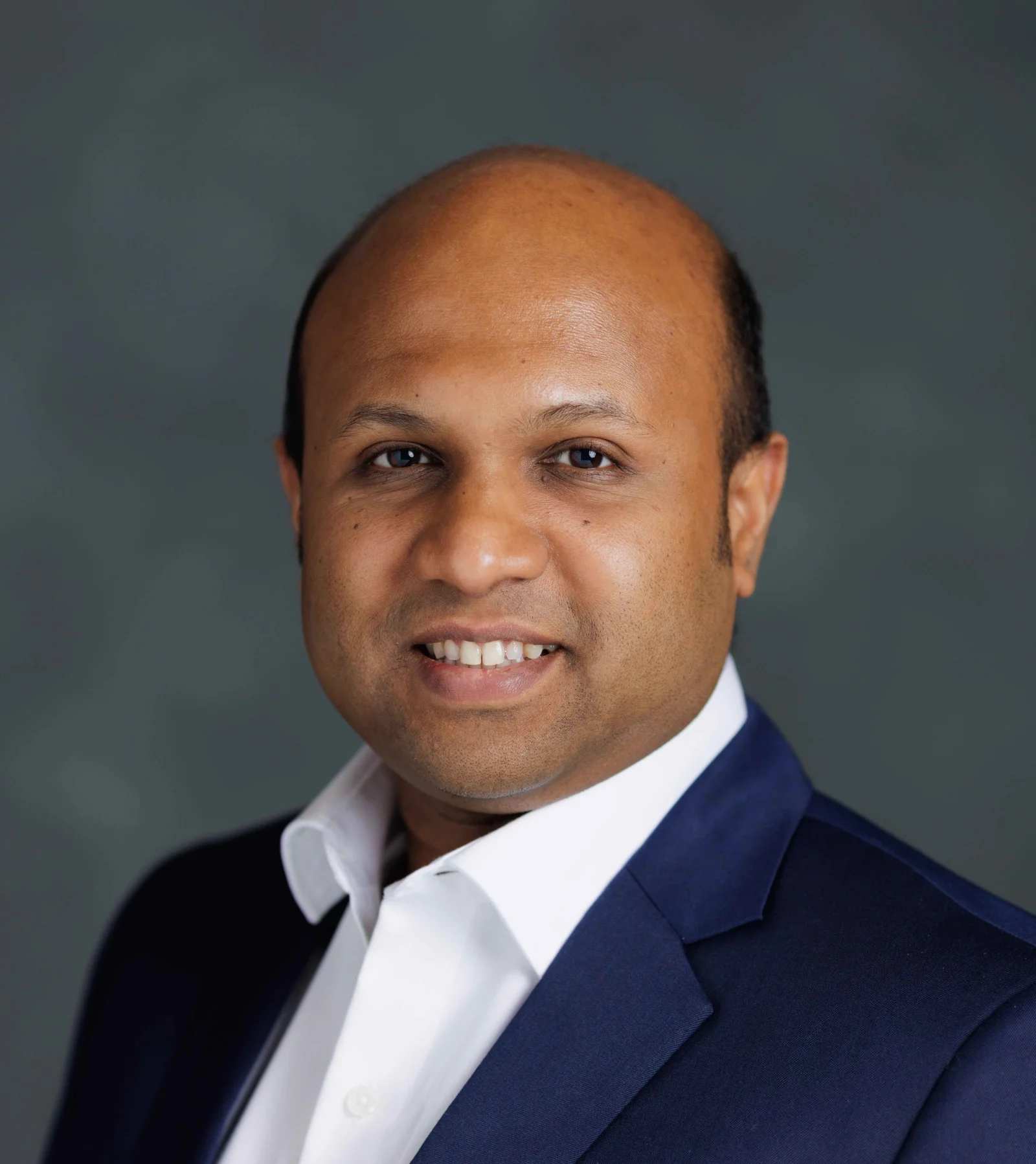
I am currently working as an Assistant Professor in the Department of Electrical Engineering and Computer Science at the University of Tennessee Knoxville, USA. I graduated with a Bachelor’s degree in Electrical Engineering from BUET (Bangladesh University of Engineering and Technology) in 2013. Afterwards, I completed my Master’s at Pennsylvania State University and my Ph.D. at Purdue University (2019).
I have received several awards for my contributions to research—such as the ‘Translational Research Award’ and ‘Chancellor’s Innovation Award’ (2024) from the University of Tennessee, the ‘New Faculty Researcher Award’ (2024) from the American Society for Engineering Education, the ‘Outstanding Ph.D. Dissertation Award’ (2021) from the Association for Computing Machinery (ACM SIGDA), and the ‘Outstanding Graduate Student Research Award’ (2019) from Purdue University.
I serve on the technical program committee for international research conferences such as DAC and ISCAS, and work as a reviewer for several journals including Nature and Advanced Materials. In addition, I am on the editorial boards of journals like Scientific Reports and Journal of Applied Physics. I have also served on review panels for the National Science Foundation (NSF) and the Department of Energy in the United States. Currently, as a Distinguished Speaker for the Association for Computing Machinery (ACM), I give talks and share inspiration worldwide on science, technology, and research.
My interest in science and technology began in Bangladesh, and I now use that passion to inspire the next generation through research and teaching.
🔬 What is your research focus?
The goal of my research is to develop next-generation electronic devices and circuits by using emerging and exploratory materials. I work to find advanced ways to sense, process, and store digital information by leveraging the interactions among different electronic materials and devices. We have a particular interest in semiconductors, superconductors, ferroelectric, and phase-transition materials.
📈 How does your research benefit us, or how will it help people in the future?
My research is helping pave the way for more powerful, efficient, and intelligent technologies for the future. Some of the key benefits we can expect include—
- Faster computers with lower energy consumption: The new electronic devices and circuits I am working on can perform more tasks while using less power. This means future laptops, mobile devices, and computers will be even faster and more battery-efficient.
- Quantum and space computing: I am developing devices that function optimally in very cold environments. This will drive advances in quantum computing and specialized technologies for space exploration.
- Smart and biologically inspired computers: My research develops hardware that can think more like the human brain—which is crucial for the future of artificial intelligence and robotics.
🧠 What qualities do you think a scientist should have?
The qualities I believe are essential for a scientist include:
- Curiosity: The scientific journey begins with the habit of asking “Why?” about everything.
- Patience: Research is often a long and complex process—failures are inevitable, but persistence is key.
- Integrity: Honesty and precision are extremely important in data analysis, reporting, and interpreting results.
- Critical Thinking: The ability to scrutinize information and consider alternative explanations is a vital attribute of a scientist.
- Collaborative Spirit: Science today is multi-dimensional and interdisciplinary—a scientist must be able to work well with others.
- Communication Skills: The ability to clearly communicate your research and ideas—whether in writing or speaking—is crucial.
- A love for complex problems: It’s not just about problem-solving—finding the right problems to tackle is a true scientist’s strength.
- Mentorship Mindset: Sharing knowledge, teaching newcomers, and guiding future generations are all part of a scientist’s responsibilities.
📣 Message for young students in Bangladesh
- Science is not just a subject in books—it is a wonderful opportunity to ask questions, think critically, and discover something new.
- Get involved in research from your undergraduate years. The earlier you start, the faster you will learn and grow.
- Find a mentor who is not only knowledgeable but genuinely invested in your progress.
- It’s tough to go it alone in today’s research world—form a team, think together, brainstorm ideas.
- Work with friends and colleagues from different disciplines—interdisciplinary collaboration often brings fresh perspectives and solutions.
- Cultivate a collaborative mindset—collaboration helps broaden both the reach and impact of your work.
- Don’t worry about what you lack; instead, make use of the resources around you. Often, the most creative ideas come from limited resources.
- Remember: pen, paper, and brain—these three are enough for innovation. And you have even more at your disposal!
- Prioritize quality in your research—don’t fall into the trap of predatory or low-quality publications. These only waste your time and money.
Contact Information
📧 Email: [email protected]
🏫 Current Affiliation: University of Tennessee Knoxville
📺 YouTube Channel: NorDIC Lab Team
🔗 LinkedIn: linkedin.com/in/ahmedullahaziz
🌐 Website: nordic-eecs.utk.edu