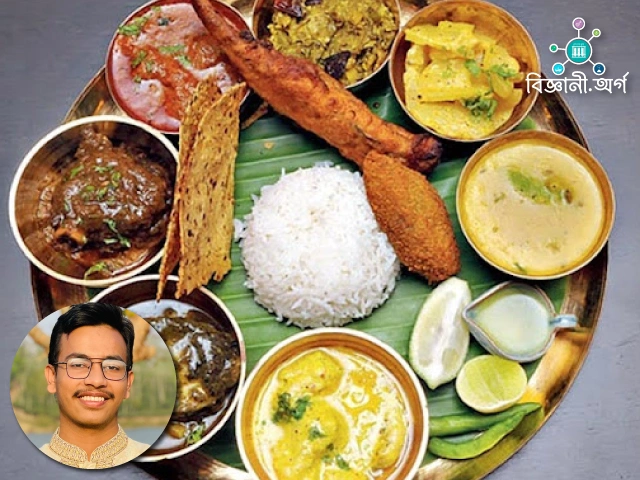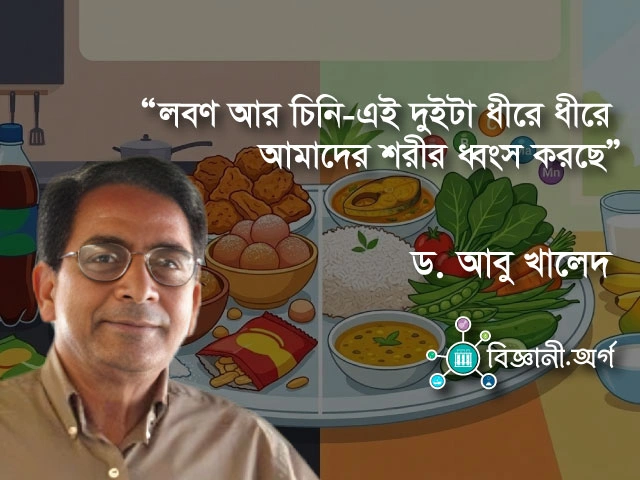
A close look at the daily diet in Bangladesh makes one thing clear—rice, fried foods, and spicy curries come with extra salt, while tea, desserts, soft drinks, or sweets add plenty of sugar. Dr. Abu Khaled mentions these two ingredients together, saying, “Salt and sugar—these two are slowly destroying our bodies.” His warning is not merely a critique of eating habits; it expresses a deep concern about Bangladesh’s future health risks.
Salt and sugar—both of these are necessary for the body in limited amounts. Without salt, the body’s sodium-potassium balance is disrupted, and nerve signal transmission is affected. Similarly, sugar is a source of energy. But the problem begins when their intake exceeds what is needed. According to Dr. Khaled’s observation, Bangladeshis consume much more salt than the World Health Organization recommends. Excess salt directly increases the risk of high blood pressure, which can lead to serious complications like heart disease and stroke.
The situation is no different when it comes to sugar. Sugar and simple carbohydrates cause blood glucose levels to spike rapidly. Regularly consuming too much sugar makes the body’s insulin gradually less effective—this paves the way for diabetes. Dr. Abu Khaled specifically notes that due to our rice-based diet, daily carbohydrate intake is already high. When excess sugar is added on top, it disrupts the body’s metabolic balance even further.
Another subtle but important aspect of this dietary habit is that it causes harm gradually. Sudden illness doesn’t occur overnight. Years of consuming too much salt and sugar gradually increase the risks of high blood pressure, diabetes, kidney problems, and heart disease. Many people don’t pay attention initially because there are no obvious symptoms. But by the time problems are detected, they are often long-term and difficult to control.
Dr. Abu Khaled believes that the root of this crisis is not just personal preference—it is also tied to social habits and a lack of awareness. For many, extra salt in food is a matter of taste, while serving extra sweets to guests is seen as a sign of hospitality. The easy availability of processed foods, fast food, and soft drinks in urban life has worsened the problem. As a result, even children and teenagers are developing habits of excessive sugar and salt intake at a young age.
To escape this situation, Dr. Abu Khaled’s advice is very practical—change habits gradually. Completely cutting out salt or sugar overnight is difficult, but reducing the amount of salt step by step in cooking, using less sugar in tea, and choosing home-cooked food over processed options—these small changes can have a big impact in the long run. He also emphasizes strengthening nutrition and health education in schools, so the next generation becomes more aware.
In Dr. Abu Khaled’s words, “Treating illness is important, but changing habits before disease strikes is even more crucial.” In a country like Bangladesh where rates of diabetes and heart disease are rising rapidly, this warning about dietary habits is timely. Controlling salt and sugar is not just a matter of personal well-being—it is a question of a nation’s future health security.
Read Dr. Khaled’s full interview: