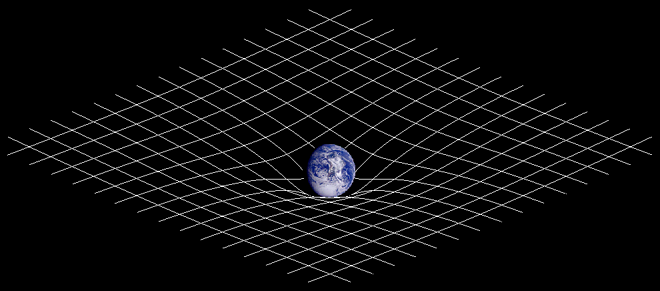
The foundation of many branches of physics, such as “Classical Mechanics,” “Special Theory of Relativity,” “General Theory of Relativity,” and others, is the “Space-Time Continuum.” Simply put, the space-time continuum is a framework formed by the interdependence of space (extension, distance, or length) and time, which serves as the backdrop (background) within which all natural events seem to occur.
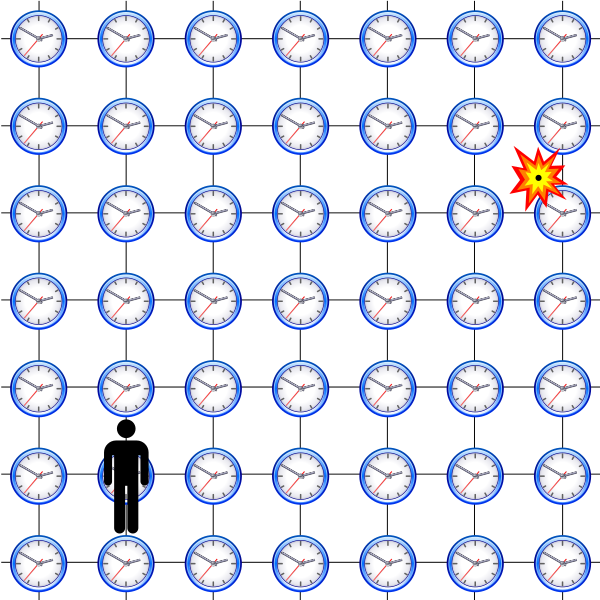
Have you ever wondered why human consciousness is trapped within the dimensions of length or distance and time? Why can our perception never escape the backdrop of the space-time continuum? In seeking the answer to this question, even physics itself stumbles! However, if we delve deep into what gave birth to physics itself—the human brain—we might just find the answer! Most likely, the answer lies in the “gamma brain waves.”
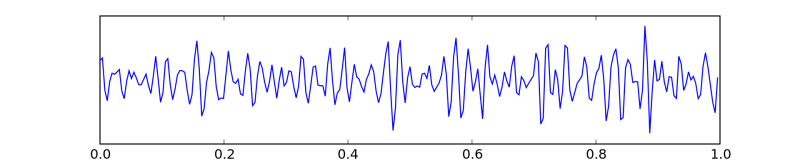
When we sense something with our senses, recall a memory, or think of something new, certain neurons—among the countless ones that make up our brain—are activated in specific sequences. Observe the lively fingers of a harmonium player moving over the keyboard—how they rhythmically strike the keys. Similarly, at times, certain neurons in the brain are also rhythmically activated. In such cases, each of these neurons becomes repeatedly excited at intervals—the rhythm of this neural excitement is called a brain wave. Among all the types of brain waves discovered in humans so far, the gamma wave has the highest frequency. These gamma waves play through the brain, both while dreaming in sleep and alongside other brain waves during wakefulness or meditation.
Whether we are awake, asleep, dreaming, waking from sleep, or meditating—these different states of the brain and the various types of information collected through our five senses are controlled by certain parts of the brain: the “cerebral cortex,” the “midbrain,” and the “thalamus,” which communicate with each other through several neural loops (a neural loop is a group of neurons connected in series for performing specific functions, carrying information from one part of the brain to another).
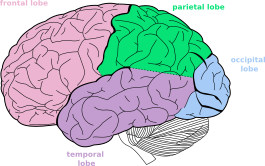
The neural loops connecting the cerebral cortex and the thalamus, through which gamma waves travel, give rise to our brain’s perception of “space,” “location,” “length,” or “distance.” Meanwhile, the neural loops carrying gamma waves between the cerebral cortex and the midbrain generate our brain’s perception of “time.”
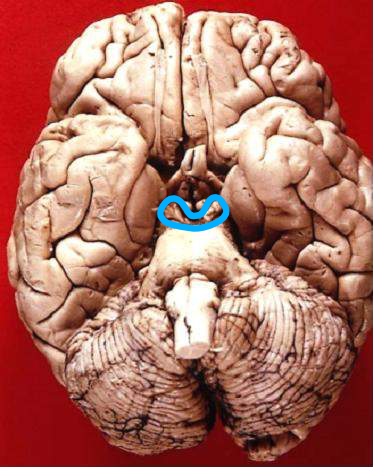
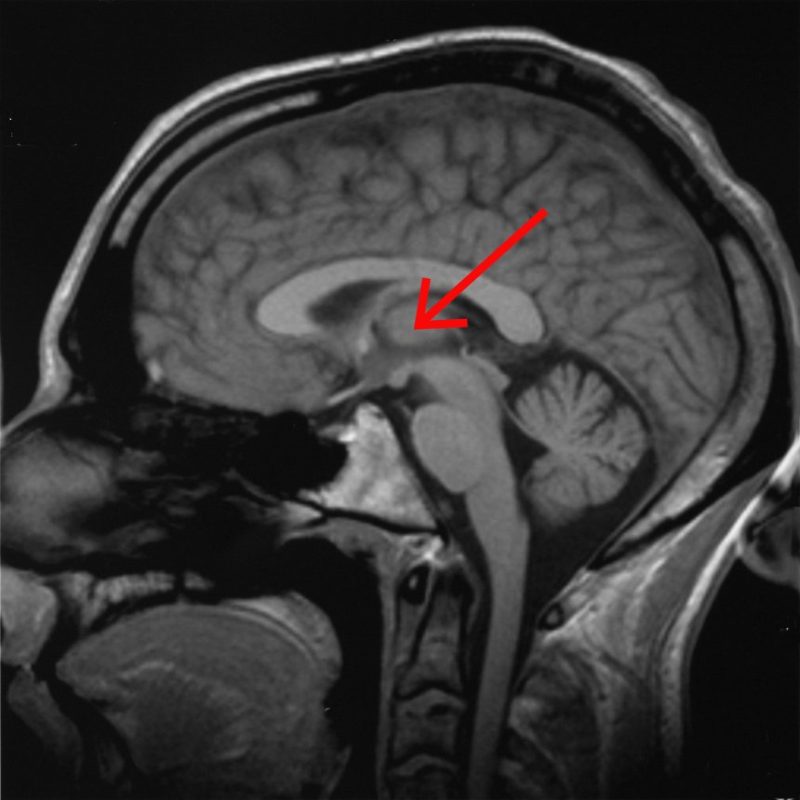
By causing resonance within these neural loops, gamma waves help create in our brains the very notion of the “space-time continuum.”