


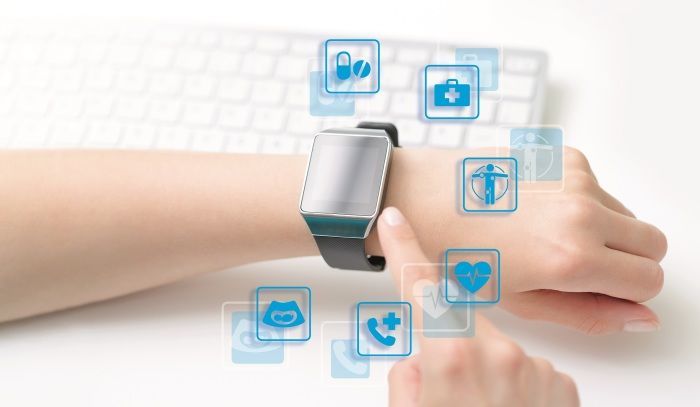
Wearable Devices: Instruments for Monitoring the Body Using Sensors
A wearable device is a type of medical device that attaches to the body and collects data such as blood pressure, heartbeat, diabetic or blood glucose levels, and other information through sensors. Among the world’s most renowned wearable devices are Fitbit and Apple Watch. Let’s take a quick look at some famous devices:
Apple Watch: After computers and mobile phones, Apple announced in April 2014 that they were developing a fitness tracker. A year later, the Apple Watch was released in April 2015. Although it is a fitness tracker and a wearable smart device, since it is shaped like a watch and can perform many tasks, it is called a smart watch.

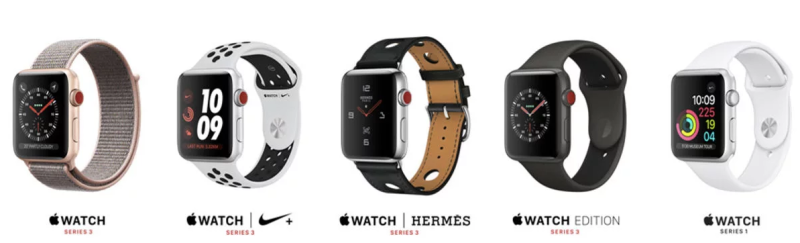
Various Apple Watches at the Apple Store
Currently, the new 4th series Apple Watch is capable of measuring ECG. This device contains the following sensors:
- GPS for location tracking
- Bluetooth
- Optical heart sensor
- Electrical heart sensor
- Accelerometer
- Gyroscope
- Ambient light sensor for measuring light intensity
- Altimeter
The smart watch is not just a fashionable gadget—it has been proven that it can save lives, as seen in the case of James Green. Suddenly, a blood clot raised his heart rate, which was detected by the Apple Watch and alerted James. Recognizing the seriousness, James went to the hospital, where doctors confirmed the issue, and he returned home healthy. If not for the alert, the situation could have become much worse.
Although wearable devices don’t directly diagnose diseases, medical professionals believe that they play an indirect role. For example, those with high blood pressure can use wearable devices to regularly monitor their pressure and avoid complications. Indirectly, these devices help us manage diseases, which is why we call them passive or indirect devices.
Until now, wearable devices collected and displayed various data through sensors. But now, a new second phase has begun, which we are calling Wearable Device 2.0. In this phase, wearable devices will serve as personal coaches or doctors, offering advice to assist you. For instance, if your doctor advised you to walk 30 minutes every day, but you’re not following through, the wearable device can notify or remind you through alarms and other means.
Now, wearable devices are being equipped with artificial intelligence (AI). By artificial intelligence, we mean a computer’s way of thinking that analyzes lots of information to help you make decisions. In wearable devices, AI will not just display your data, but will observe and act based on that information.
The AI in these wearable devices will use past experience to compare your data and provide the right advice. Technologists believe that this new journey of wearable devices will be applied in many fields soon. By monitoring minute details of the body, wearable devices will make it possible to avoid diseases and maintain good health. Right now, the number of sensors in wearable devices is limited; currently, they mostly measure blood pressure, glucose level, and heart rate. But new sensors are under development. Laboratory-made sensors are now starting to enter the commercial market. For example, a device attached to your skin might monitor your sweat or secreted fluids and advise you accordingly.
There are two types of wearable devices:
1. Implant devices that remain inside your body.
2. Outplant devices that stay in contact with your skin.
Implant devices are usually used for monitoring specific seriously ill patients. Since they stay inside the body, they are created with special care, and their safety is thoroughly tested before coming to market. That’s why it often takes a long time for these sensors to become available to the public after being developed in the lab.
Outplant devices collect information from the skin. Currently, these sensors are installed in smartwatches to monitor body conditions.
Wearable devices are not just for the sick, but healthy people use them too to monitor their well-being. A wide variety of wearable devices are now coming to market.
———————————————————— To be continued.
Dr. Mashiur Rahman
Subscribe to receive more news about science and technology.
[mc4wp_form id=”3448″]












Leave a comment