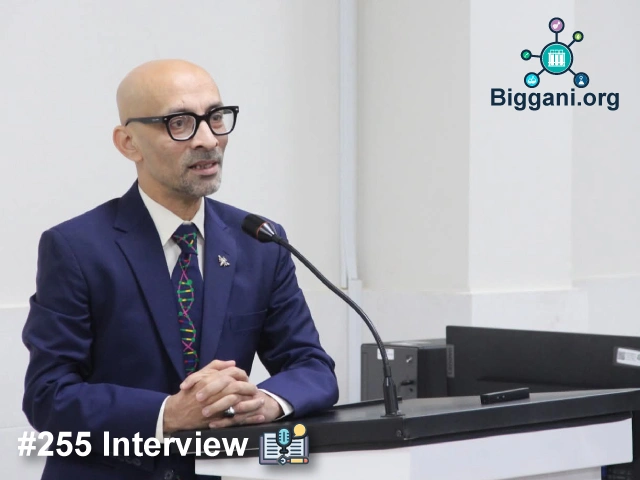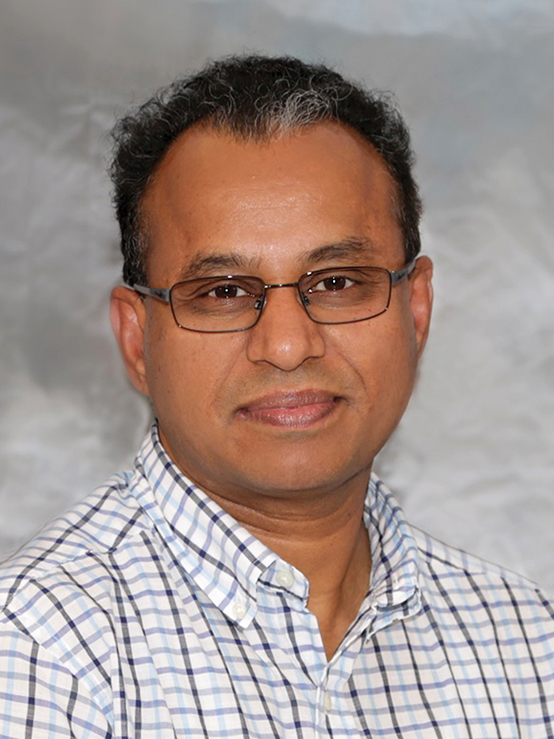
Dr. Jahangir Alam was born in Companiganj, Sylhet District, Bangladesh. After receiving his primary education at local schools, he completed his secondary and higher secondary education at Sylhet MC College. He then earned a master’s degree in microbiology from the University of Dhaka. His thesis research was conducted at icddr,b, where he began his foundational studies on cholera bacteria.
He subsequently completed his PhD at the Graduate School of Natural Science and Technology, Okayama University in Japan, and then worked as a postdoc and researcher at several universities and research institutes in the United States, such as State University, Texas A&M University, and the University of Houston College of Pharmacy.
His main research focuses on diarrheal pathogens, especially cholera and Clostridium difficile infection. Dr. Jahangir Alam has been researching these diseases and antibiotic resistance for over 30 years. He has published more than 80 scientific articles and participated in various international conferences. Currently, he is working as an Assistant Professor at the University of Houston.
💬 Q&A Session:
Question: Tell us about your childhood and the process of becoming a scientist.
Answer: I was born in Companiganj, Chatak Thana, Sylhet. I completed my primary education there and graduated high school from Kamalbazar Haji Rashed Ali High School in Sylhet. After that, I completed my higher secondary at Sylhet MC College and then earned my master’s in microbiology from the University of Dhaka. I started my thesis work at icddr,b because, at that time, it was the only opportunity to pursue research in microbiology. As a child, I witnessed how diseases like kala-azar could take lives, and this sparked my interest in science and research. Later, I researched cholera bacteria in detail and published around 12 articles in international journals. I went on to complete my PhD in Japan, followed by postdoctoral and research work in the U.S. Currently, I am an Assistant Professor at the University of Houston and have been researching diarrheal bacteria for over 30 years.
Question: You have worked on diarrhea for a long time. Why is this your primary research focus?
Answer: Diarrhea is a major health problem globally, caused by over a hundred agents including viruses, bacteria, parasites, and fungi. It affects not only developed but also developing countries like Bangladesh. Currently, I am researching Clostridium difficile infection, which causes nearly 30,000 deaths per year in America.
Question: Why are pathogens getting so smart, and why are antibiotics becoming ineffective?
Answer: Mutations in pathogens happen naturally, but excessive and improper use of antibiotics accelerates the process. The use of antibiotics in agriculture and other environmental factors, such as radiation, chemical exposure, and heat, also cause mutations. As a result, a single pathogen can become resistant to multiple antibiotics.
Question: Are the conveniences of modern civilization making this problem worse?
Answer: It has always existed, but modern lifestyles are accelerating it. Chemical exposures and various compounds present in food and water speed up mutation. For instance, Candida species start mutating as soon as treatment with antibiotics begins.
Question: What is the role of scientists in solving this problem?
Answer: Antibiotic stewardship is being implemented to control their usage. In developed countries like America, unnecessary antibiotic use has been reduced by 50%. Regulators like the FDA closely monitor antibiotic use. This helps to reduce misuse and abuse.
Question: What has been your experience researching in Bangladesh?
Answer: There are many educated and talented people in Bangladesh. With the support of institutions like icddr,b, we can conduct research. However, funding and administrative limitations are challenges. Even so, research is possible with limited resources if the ideas and methodology are right.
Question: What advice would you give to young people who want to become scientists?
Answer: You must have passion and interest. Set your goals and advance with patience. Use the internet and your network of seniors for help. What’s most important is to maintain patience, determination, and enthusiasm.
Question: What is the difference between research environments in Japan and America?
Answer: Japan is advanced and unique in its research. However, there are language barriers. In America, researchers come from many countries, so there’s a lot more diversity. There is also significant funding, which makes million-dollar research possible.
🔗 Profile Link:
ResearchGate Link
Dr. Jahangir Alam’s research is playing an important role in solving the global problems of diarrheal diseases and antibiotic resistance. He is not limited to his own research but is also actively supporting and training young researchers in Bangladesh. The biggani.org team wishes Dr. Jahangir Alam continued success in his research. May his work inspire young scientists in Bangladesh.
From Cholera to Clostridium: A Scientist’s Journey – Dr. Jahangir Alam
Dr. Jahangir Alam was born in Companiganj, Sylhet, Bangladesh. He completed his early education locally and graduated from Kamal Bazar Haji Rashed Ali High School. He then completed his Higher Secondary Certificate at Sylhet MC College and earned a Master’s degree in Microbiology from the University of Dhaka. His thesis research was conducted at icddr,b, focusing on cholera bacteria.
Dr. Alam later pursued a PhD at the Graduate School of Natural Science and Technology, Okayama University, Japan, before moving to the United States for postdoctoral research at several institutions, including State University, Texas A&M University, and the University of Houston College of Pharmacy.
His main research focuses on diarrheal pathogens, particularly cholera and Clostridium difficile infections, with over 30 years of experience in this field. Dr. Alam has published more than 80 scientific articles and participated in over 100 international conferences. He currently serves as an Assistant Professor at the University of Houston College of Pharmacy.
💬 Q&A Session:
Question: Can you tell us about your childhood and how you became a scientist?
Answer: I was born in Companiganj, Sylhet. I completed my primary education there and studied at Kamal Bazar Haji Rashed Ali High School. After MC College and the University of Dhaka, I joined icddr,b for my thesis research. Witnessing how diseases like black fever and cholera could kill people sparked my interest in science. During my master’s, I focused on cholera and conducted extensive research, publishing 12 scientific articles internationally. Later, I pursued a PhD in Japan, followed by postdoctoral work in the U.S., and now I have over 30 years of experience studying diarrheal bacteria.
Question: Why have you focused your research on diarrhea?
Answer: Diarrhea is a significant global health problem caused by viruses, bacteria, parasites, and fungi. It affects people in both developed and developing countries. Currently, I am researching Clostridium difficile infection, which causes nearly 30,000 deaths annually in the United States and represents a multi-billion-dollar problem.
Question: Why are pathogens becoming “smarter” and antibiotics less effective?
Answer: Mutations in pathogens occur naturally, but overuse and misuse of antibiotics accelerate this process. Environmental factors, including radiation, chemicals, heat, and food scarcity, also promote mutations. As a result, pathogens develop resistance to multiple antibiotics, making treatment extremely challenging.
Question: Is antibiotic resistance a result of modern lifestyles?
Answer: This has always existed, but modern life accelerates it. Artificial chemicals, pollutants in water and food, and other exposures speed up mutation. For example, Candida species mutate rapidly when treatment begins, causing drug resistance and treatment failure.
Question: What role do scientists play in solving this problem?
Answer: Initiatives like Antibiotic Stewardship optimize the use of antibiotics and reduce misuse. Regulatory agencies like the FDA monitor and control antibiotic use. Proper management helps prevent unnecessary exposure, which contributes to resistance.
Question: How has your experience been conducting research in Bangladesh?
Answer: Bangladesh has many educated and talented people. With institutional support, meaningful research is possible. However, funding and administrative challenges remain significant. Still, with good ideas and methodology, research can progress even with limited resources.
Question: What advice would you give to young aspiring scientists?
Answer: Passion and dedication are essential. Set clear goals and persevere, despite obstacles. Use networks and mentorship, and stay committed to research. Determination and curiosity are key to success.
Question: What differences did you notice between research environments in Japan and the U.S.?
Answer: Japan is highly advanced with unique approaches to research, though language can be a barrier. In the U.S., diversity is high, and funding is abundant, enabling large-scale research projects with millions of dollars in support.
🔗 Profile Link:
ResearchGate Link
Dr. Jahangir Alam’s research on diarrheal pathogens and antibiotic resistance has a significant impact globally. Beyond his personal work, he actively mentors young researchers in Bangladesh. The biggani.org team congratulates Dr. Alam on his achievements and hopes his work inspires the next generation of Bangladeshi scientists.