


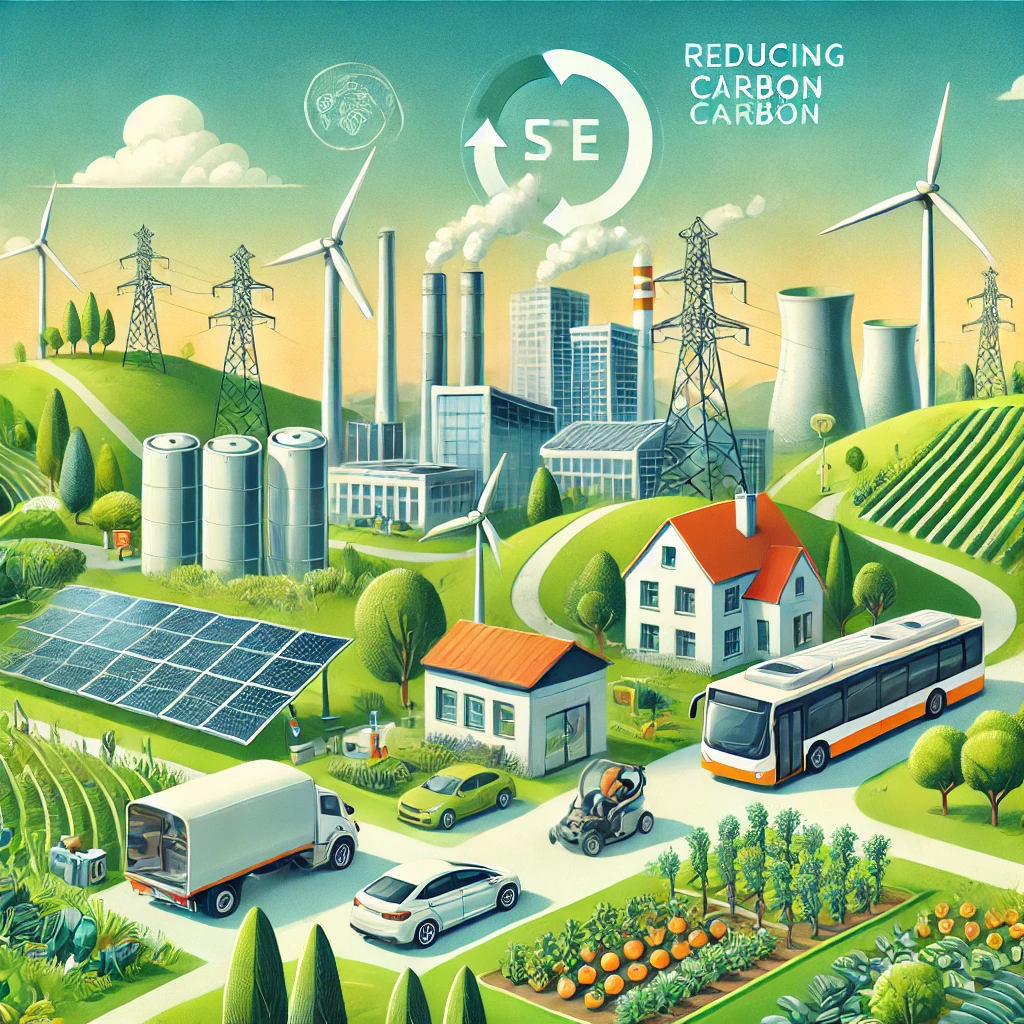
To protect the Earth from the wrath of nature and to create a habitable world for future generations, science and technology are our only recourse. Climate change is now a global issue, and new sustainable technologies are being developed to address it. Today, we will delve into the fascinating world of climate change and sustainable technology.
The Beginning of Climate Change
Our story begins during the Industrial Revolution, when humans started extensively using fossil fuels like coal and oil. The combustion of these fossil fuels emits carbon dioxide (CO₂) and other greenhouse gases, which started accumulating in Earth’s atmosphere. As a result, the greenhouse effect increased, and the planet’s temperature began to gradually rise.

Impacts of Climate Change
We can now observe the impacts of climate change in various parts of the world. Average temperatures are rising, sea levels are increasing, rainfall patterns are becoming irregular, and the frequency of natural disasters is on the rise. These changes are not only harming the environment but also endangering human lives and livelihoods.
The Importance of Sustainable Technology
Sustainable technology plays a vital role in tackling climate change. Sustainable technology refers to technologies that do not negatively impact the environment, use renewable resources, and minimize waste. These technologies help to improve our quality of life and build a habitable planet for future generations.
Renewable Energy
One of the primary examples of sustainable technology is renewable energy. Technologies like solar panels, wind turbines, and hydropower can provide us with environmentally friendly energy. Solar panels generate electricity from sunlight, wind turbines generate electricity from wind, and hydropower produces electricity from flowing water. These technologies reduce the use of fossil fuels and help protect the environment.
Carbon Capture and Storage (CCS)
Carbon Capture and Storage (CCS) is a technology that captures carbon dioxide emitted from burning fossil fuels and stores it underground. This technology helps reduce greenhouse gas emissions and slows down the increase in atmospheric temperature. For instance, CCS technology is used at the Sleipner platform in Norway, which stores millions of tons of carbon dioxide every year.
Sustainable Agriculture
Sustainable agriculture is a method of farming that uses environmentally friendly and renewable resources. Techniques such as organic farming, hydroponics, and aquaponics are examples of sustainable agriculture. Organic farming produces crops without chemical fertilizers and pesticides, hydroponics grows crops in water instead of soil, and aquaponics combines the farming of fish and crops together. These methods promote food security while minimizing negative environmental impacts.
Sustainable Transportation
Sustainable transportation refers to systems that use less fossil fuel and emit less carbon. Electric vehicles, public transportation, and biking are examples of sustainable transport. Electric vehicles use electricity instead of fossil fuel, public transport facilitates the commute of more people, and biking is environmentally friendly and healthy. These approaches reduce environmental harm and improve our quality of life.
Challenges of Climate Change
There are several challenges in addressing climate change. These include technological limitations, economic costs, and social resistance. However, scientists and researchers are relentlessly working to overcome these obstacles.
Technological Limitations
Some sustainable technologies still have certain technological limitations. For example, the efficiency of solar panels and wind turbines still needs improvement. However, researchers are persistently working to improve these technologies.
Economic Costs
Some sustainable technologies come with high initial costs, posing a significant challenge for many countries. However, in the long run, these technologies are economically beneficial and environmentally friendly. For instance, installing solar panels may involve high upfront costs, but over time they reduce electricity bills.
Social Resistance
There is some social resistance to adopting sustainable technologies. For example, workers in fossil fuel-dependent industries are concerned about sustainable technologies due to the potential impact on their jobs. However, new employment opportunities are also emerging alongside sustainable technologies, which can help address this issue.
The Importance of Sustainable Technology for Students
It is extremely important for students to learn about sustainable technology, as this will help prepare them for the future. By acquiring knowledge about sustainable technology, they will be able to tackle future challenges and explore new opportunities.
Preparation for Higher Education and Career
Understanding sustainable technology is particularly important for students pursuing higher education. Universities offer courses and research opportunities related to sustainable technology. Students can engage in research across various branches of sustainable technology and build their careers accordingly.
By gaining knowledge about sustainable technology, students can prepare for careers in different industries. Currently and in the foreseeable future, there is growing demand for experts in sustainable technology, environmental scientists, and sustainable agriculture specialists. Students can build careers in these fields and brighten their futures.
Ways to Learn Sustainable Technology
Online Courses
Online education platforms are offering many courses in sustainable technology. Platforms such as Coursera, edX, and Udacity provide various levels of courses for students. By taking these courses, students can learn everything from basic concepts to advanced technologies in sustainability.
Project-Based Learning
Project-based learning is an effective way to study sustainable technology. Students can apply their knowledge through different projects and solve real-world problems. For example, students can undertake a solar panel installation project, where they gain hands-on experience in installing and managing solar panels.
Research and Internships
Research and internships help students gain in-depth knowledge about sustainable technology. They can participate in various research projects and acquire practical research experience. In addition, sustainab
Research and Internships
Research and internships are beneficial for students seeking in-depth knowledge of sustainable technology. Students can take part in various research projects and gain first-hand research experience. Moreover, internships related to sustainable technology help prepare them for real-world careers.
Conclusion
Climate change and sustainable technology are crucial for our future. These technologies help reduce environmental harm and improve our quality of life. It is essential for students to learn about these technologies, as it will prepare them for future careers and help them discover new opportunities.
Sustainable technology not only helps protect our environment but also contributes to economic and social development. Although there are challenges, scientists and researchers are working tirelessly to improve these technologies. Students should recognize the importance of sustainable technology and, through learning and research, contribute to the welfare of humanity.
The possibilities for sustainable technology are limitless, and it has the potential to transform every aspect of our lives. By harnessing this potential, students can brighten their futures and help build a sustainable world. By acquiring knowledge of sustainable technology, they will be able to tackle the challenges of climate change and protect a greener, more beautiful planet.








Leave a comment