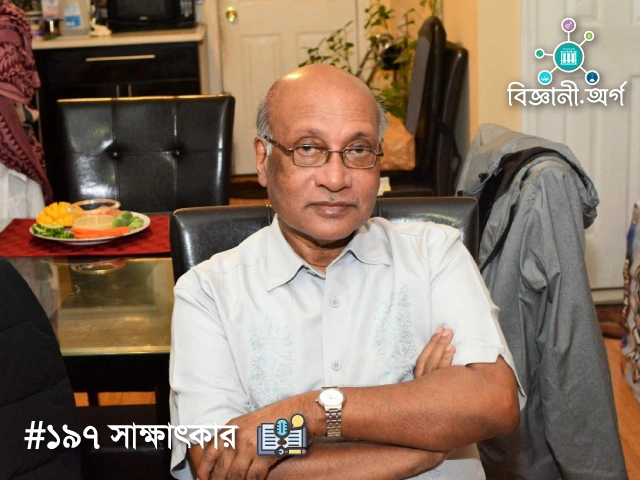
Dr. Mohammad Sahab Uddin earned his bachelor’s degree from the Department of Chemical Engineering at Bangladesh University of Engineering and Technology (BUET) in 1972. That same year, he joined the department as a lecturer. In subsequent years, he was awarded a Commonwealth Scholarship for postgraduate studies at the University of Manchester Institute of Science and Technology (UMIST). He has taught at the National University of Singapore (NUS) and the International Islamic University Malaysia (IIUM). Dr. Uddin also worked as a sabbatical faculty member at MIT in the United States and McGill University in Canada.
For the past fifteen years, his primary research areas have included the use of nano-magnetic particles for biomolecule separation and purification, protein refolding, chiral (racemic mixture) separation using ionic fluids, and removal of heavy metals and dye pollutants from industrial wastewater. Currently, he is retired and lives in Johor Bahru, Malaysia.
💬 Q&A Session:
Q: How did you become involved in chemical engineering and biotechnology research?
A: My interest began during my studies at BUET. From that time, I was drawn to work involving biomolecules, proteins, and nanoparticles.
Q: What is the main goal of your research?
A: The main goal of my research is to separate complex biomolecules using nano-magnetic particles and to purify industrial wastewater contaminated with heavy metals and dyes. Additionally, protein refolding and chiral separation remain key focuses of my work.
Q: How has your experience been with international teaching and research?
A: Working at MIT, McGill University, NUS, and IIUM introduced me to diverse research environments and teaching methods. This has greatly enriched my scientific thinking.
Q: How do you see the future of nano-magnetic particle research?
A: This technology has significant potential in biology and industry. I hope more researchers will use it to develop new innovations.
Q: Where are you currently based and what are your future plans?
A: I am currently residing in Johor Bahru, Malaysia. Even in retirement, I continue to offer research guidance and support to the next generation of students.
Dr. Mohammad Sahab Uddin’s research has made important contributions to nano-magnetic technology, biomolecule separation, and reducing industrial pollution. His international experience and long-standing research career are a source of inspiration for both the scientific community in Bangladesh and around the world. The biggani.org team wishes Dr. Uddin continued success and hopes that his work will inspire future generations of young researchers.
From Protein Refolding to Wastewater Treatment: Insights with Prof. Mohammad Sahab Uddin
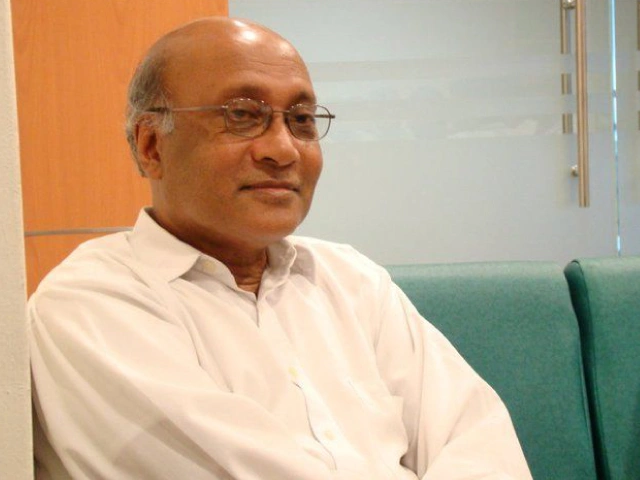
Professor Mohammad Sahab Uddin earned his Bachelor’s degree in Chemical Engineering from Bangladesh University of Engineering and Technology (BUET) in 1972 and joined the same department as a lecturer the same year. In 1974, he received a Commonwealth Scholarship to pursue postgraduate studies at the University of Manchester Institute of Science and Technology (UMIST). Over his academic career, he has taught at the National University of Singapore (NUS) in the Department of Chemical and Biomolecular Engineering and at the International Islamic University Malaysia (IIUM) in the Department of Biotechnology Engineering. He also served as a sabbatical faculty at MIT in Boston, USA, and McGill University in Montreal, Canada.
For the past fifteen years, Prof. Uddin’s research has focused on nano-magnetic particles for biomolecule separation and purification, protein refolding, chiral (racemic mixture) separation using ionic fluids, and wastewater treatment for heavy metals and industrial dyes. Currently, he resides in Johor Bahru, Malaysia, having retired from active academic positions. His work bridges advanced nanotechnology applications with environmental and industrial challenges.
💬 Q&A Session:
Q: How did you become involved in chemical engineering and biotechnology research?
A: My interest began during my undergraduate studies at BUET, where I became fascinated with biomolecules, proteins, and the potential of nanoparticles.
Q: What is the main objective of your research?
A: The primary goal is to use nano-magnetic particles for separating complex biomolecules and to treat industrial wastewater containing heavy metals and dyes. Protein refolding and chiral separation are also central aspects of my research.
Q: How was your experience with international research and teaching?
A: Working at MIT, McGill University, NUS, and IIUM exposed me to diverse research environments and teaching methodologies. This greatly enriched my scientific thinking and broadened my perspective.
Q: How do you see the future of nano-magnetic particle research?
A: This technology holds significant potential in biotechnology and industrial applications. I hope more researchers will explore and develop innovative solutions using nano-magnetic particles.
Q: Where are you currently based, and what are your future plans?
A: I currently live in Johor Bahru, Malaysia. Even in retirement, I continue to provide research guidance and support to the next generation of students.
Professor Mohammad Sahab Uddin’s research has made substantial contributions to nano-magnetic technology, biomolecule separation, protein refolding, and industrial wastewater treatment. His extensive international experience and long-standing dedication to research serve as an inspiration to young scientists in Bangladesh and globally. The biggani.org team wishes Prof. Uddin continued success and hopes his work will inspire the next generation of researchers to innovate in chemical engineering, biotechnology, and environmental science.