Bangladesh is an agricultural country, with about 40% of the population relying on agriculture. However, climate change is creating major risks for farming. In 2020, total crop production in the country dropped by about 15-20% due to droughts. By using agrivoltaic technology, the shade provided by solar panels can protect crops from excessive heat and sunlight, which will help farmers increase their yield. This new agrivoltaic technology is also known as solar agriculture. Scientists are hopeful that this new technology can help overcome at least some of these challenges.
What is Solar Agriculture?
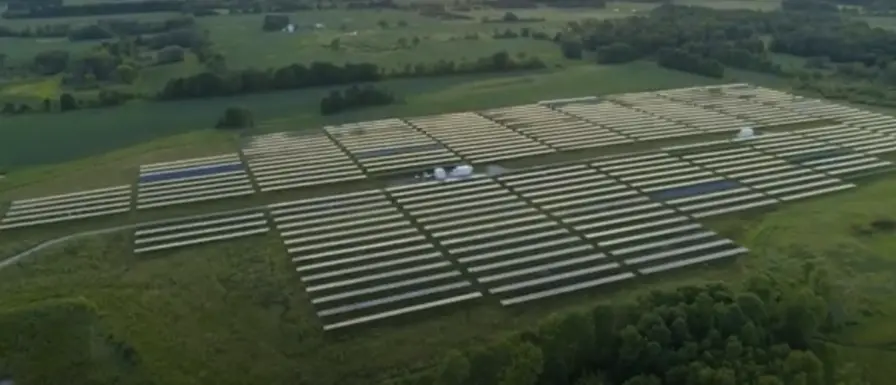
Solar agriculture is a type of technology where farming and solar energy are combined. Simply put, solar panels are installed over farmland, allowing both electricity generation and crop cultivation at the same time. The agrivoltaic method uses sunlight for both crops and solar panels, increasing land productivity and enabling farmers to earn additional income.
How Does Solar Agriculture Work?
In the agrivoltaic system, solar panels are installed at a certain height above the farm land. These panels generate electricity from sunlight, while the shade they provide helps protect crops from excess heat. This approach balances the sunlight and shade needed for optimal crop growth.
Research has shown that it is possible to generate electricity from solar panels while maintaining the quality of crops. In some cases, yields have even increased. The shade is particularly beneficial for crops in arid regions where temperatures are high.
Benefits of Solar Agriculture
1. Simultaneous Electricity Generation and Crop Cultivation: Through the agrivoltaic system, farmers can produce electricity, offering them an opportunity for extra income.
2. Adaptation to Climate Change: Crops can be protected from damage caused by extreme heat, as the shade from the solar panels shields them from excessive temperatures.
3. Water Conservation: With the shade provided by solar panels, evaporation from the soil is reduced, thereby lowering the need for irrigation.
4. Reducing Carbon Emissions: By using solar energy, eco-friendly electricity production becomes possible, which helps lower carbon emissions.
Current Status
As of July 2024, there are about 530 agrivoltaic sites in the United States. Around half of these serve as pollinator habitats, while the rest provide solar grazing areas. In addition, significant progress is being made with this technology in Germany, France, Japan, and China, where experts are also optimistic about its application.
Potential in Bangladesh
If solar agriculture is successfully implemented in Bangladesh, it could bring about major changes in both the agricultural and power sectors.
1. Increase in Farmers’ Income: Farmers will be able to produce both crops and solar power simultaneously, helping to boost their earnings.
2. Combating the Effects of Climate Change: The shade from solar panels will protect crops from excessive heat, helping farmers withstand droughts and other climate-related crises.
Challenges and Future Prospects
Although solar agriculture has many advantages, it also presents certain challenges. For example, installing solar panels requires significant investment, which may be unaffordable for many small farmers. Moreover, installing solar panels requires the use of some land, which could reduce the area available for crops. However, scientists are developing new technologies to overcome these challenges, and various government initiatives are promoting and expanding this technology.
Conclusion
Agrivoltaics or solar agriculture is an innovative approach that could revolutionize both farming and energy production. With proper implementation, farmers can earn dual benefits from both crop cultivation and electricity generation. In this era of climate change, solar agriculture is opening new horizons, potentially making our world more sustainable and environmentally friendly.
Sources: https://www.sciencenews.org/article/solar-agriculture-farming-argivoltaic