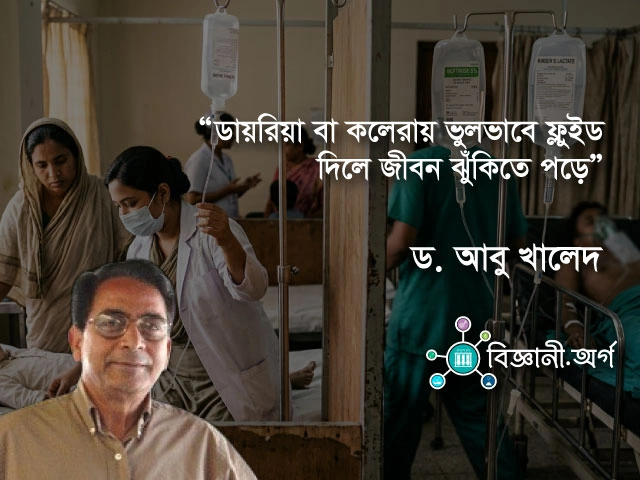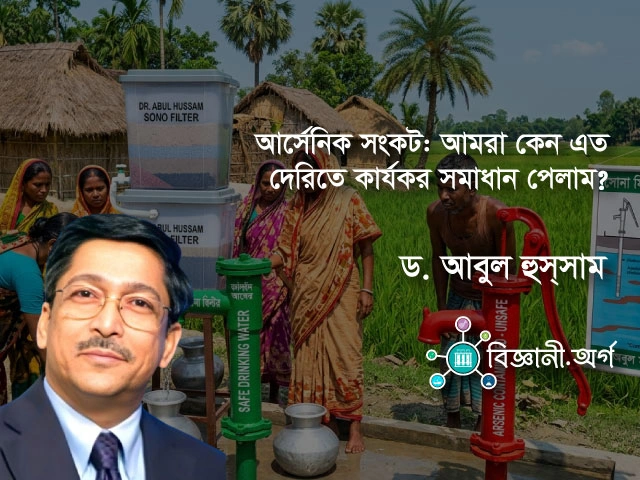
Bangladesh is a large and densely populated country in South Asia, where life expectancy is increasing and child mortality rates are significantly improving. Yet, the country faces a dual burden of rising non-communicable diseases such as ‘heart disease, diabetes, stroke, cancer’ and growing mental health problems, along with persistent communicable diseases like tuberculosis. These challenges are exacerbated by limited funding, unequal resource distribution—especially between urban and rural areas—and administrative deficiencies. Although, geographically, this populous country has advanced accessibility and a workforce that contributes to its considerable economic growth, Bangladesh’s primary health sector has achieved notable success in reducing child mortality through expanded immunization (‘polio-free’) and diarrheal control via ‘oral rehydration therapy’. However, in long-term health management, rapid unplanned urbanization, pollution, and environmental pressures are continually straining the health infrastructure. As a result, the current health landscape faces several prominent challenges, including:
Communicable Diseases:
For instance, harmful bacterial pathogens (such as Mycobacterium tuberculosis) are responsible for the infectious disease tuberculosis or TB. Over time, the burden has shifted towards non-communicable diseases (stroke, heart disease, COPD, cancer, diabetes, etc.), which now account for most deaths. At the same time, people face a double burden due to poor public health and increased out-of-pocket expenses.
Mental Health:
Bangladesh faces a significant and growing burden of mental health issues, with nearly 19% of adults suffering from mental disorders. This is driven by rapid urbanization, poverty, family conflict, and, to some extent, genetic factors. There is a pronounced shortage of mental health professionals, with more than 90% of individuals lacking access to necessary treatment. Women are disproportionately affected, and while the disparity between urban and rural areas is not extreme, rural regions lack sufficient care, where conditions like depression and anxiety are most common. Rising stress, depression, and neurological disorders, including stroke and epilepsy, are increasingly prevalent. Anxiety disorders are among the fastest-growing global mental health problems, affecting at least 4.1% of children and adolescents and significantly impacting their cognitive development. Among youth aged 11-19, the most frequently diagnosed anxiety-related conditions include: 1. Separation anxiety disorder, 2. Specific phobias (irrational fears), 3. Social anxiety disorder, 4. Generalized anxiety disorder, 5. Panic disorder, and agoraphobia. Over the past three decades, the incidence of such disorders has sharply increased, especially influenced by the COVID-19 pandemic, and this trend may continue to rise. These disorders typically begin in childhood/adolescence and frequently co-occur with other anxiety-related conditions.
Limited Budget and Weak Governance:
Bangladesh has one of the lowest levels of government health expenditure worldwide, often cited as between 0.7% and 1.1% of GDP. Due to limited public funding, 63% to 73% of total health expenses are paid directly by patients out-of-pocket. Such catastrophic spending pushes millions into poverty each year. Health insurance is nearly non-existent, leaving people financially vulnerable in medical emergencies. Resource shortages, staff absenteeism, and weak governance create a vicious cycle of underdevelopment in the health sector, where lack of resources and accountability leads to widespread negative outcomes, including corruption, economic instability, and poor public service delivery. Unequal distribution of professional healthcare staff, especially specialists between urban and rural areas, is identified as an emerging risk and cause of illness.
Systemic Failures in Disease Prevention and Health Awareness:
Systemic failures in disease prevention and health awareness in Bangladesh’s healthcare system are driven by several interconnected challenges. A major barrier is the inadequate focus on preventive and health promotion activities.
The current Ministry of Health and Family Welfare’s excessively centralized decision-making structure is inadequate, often resulting in a top-down planning approach that does not align with local rural realities. These systemic failures are compounded by inadequate public health communication, especially during crises like the COVID-19 pandemic, when weak information flows and unclear public health messaging allow misinformation to spread rapidly. Similarly, the resurgence of chronic infectious diseases like tuberculosis highlights persistent challenges such as insufficient patient support, high treatment costs, and poor access to care, leading to incomplete treatment courses and the spread of drug-resistant Mycobacterium tuberculosis. While both government and non-government agencies continue efforts through their local emergency care networks, there remains a significant structural and institutional lack of capacity to give full-scale priority to prevention and health awareness for the general public and marginalized groups through decentralization and modernization.
Unregulated Private Sector:
The private health sector in Bangladesh, due to weak public oversight, largely operates without effective regulation, characterized by lax controls, rampant commercialization, high out-of-pocket expenses, concerns about quality, and significant financial hardship for many. The focus on profit over quality drives many into debt. In rural areas, key informal service providers often lack proper training, highlighting major administrative gaps.
Recommendations
To build a healthy and advanced nation, Bangladesh must implement a long-term strategic framework considering the above issues. Areas such as youth health, reproductive rights, and effective steps in national health planning should be included. At the core of this approach is ensuring equitable access to healthcare, especially for adolescents and marginalized groups. For a modern and stable Bangladesh, it is recommended to focus on healthcare, human capital, digital transformation, and institutional reform. The following plans can be considered as actionable steps addressing current healthcare systems and challenges:
1. Transformation of the Health Sector:
Universal Health Coverage (UHC) for Mothers and Children: UHC can be expanded to reach 75% of the population before 2030. In light of advanced nations’ health management, an Essential Health Package (EHP) must include lifestyle interventions and comprehensive health and nutrition services for women and children.
Implementing Corruption-Free Digital Health Systems: It is critical for Bangladesh to integrate telemedicine, electronic health records, and data analytics through a national digital health strategy covering both public and private providers.
Effective Health Budget: For fiscal year 2025-26, Bangladesh’s primary health budget is 434.83 billion taka—just 5% higher than the previous year’s allocation of 414.08 billion taka. This represents 5.3% of the national budget and 0.74% of GDP—significantly below the WHO-recommended 5% of GDP for health expenditure. Unfortunately, over the past several years, public health allocations have remained at about 5% of the national budget, with the share of GDP dropping from 0.75% in 2024 to 0.74% in 2025, signifying persistent administrative shortfalls and lack of foresight.
2. Strong Coordination Across Administrative Levels and Sectors:
To ensure long-term health development, Bangladesh must strengthen multi-sectoral cooperation, emphasizing accurate data exchange and planning for infrastructure investment in the health system. Evidence-based decision-making, universal health coverage, and community-based management will be critical. Additionally, there should be sustained coordination among government agencies, international donors, and civil society to align national health strategies with the Sustainable Development Goals, particularly in the health sector.
3. Financial Resilience:
Establishing social health protection systems and increasing public funding can reduce out-of-pocket health expenses for families. A blended financing mechanism, combining public and private investment—especially to strengthen diagnostics and health service expansion—can make health initiatives more sustainable, efficient, and ensure greater levels of social security.
4. Disease Prevention and Health Awareness:
Progress towards a sustainable health system depends on diversifying funding sources, increasing domestic investment, community-led interventions, cross-border collaboration, and integrated disease control. Through prevention services, health awareness, and systemic reforms, Bangladesh can develop a modern, stable, and resilient health system that supports wellness and good health.
5. Public-Private Partnerships in Treating Life-Threatening Diseases:
Public-private partnership is increasingly recognized as a cornerstone strategy for advancing long-term health development in Bangladesh. With a population surpassing 180 million, ensuring health system access—especially for rural and marginalized communities—requires a measurable and sustainable model. Government, private sector, NGOs, and international donors must join forces to build resilient infrastructure for universal health coverage and coordinate efforts against life-threatening diseases like tuberculosis (TB), HIV/AIDS, and malaria.
Author: Sarker M. Shaheen,
Researcher, Neurogenetics & Precision Medicine, Department of Psychiatry, Pharmacology & Medical Genetics, University of Calgary, Canada.
Member, Bangladesh Diaspora Research and Policy Forum.
Google Scholar: https://scholar.google.com/citations?user=lRaMZlsAAAAJ&hl=en
LinkedIn: https://www.linkedin.com/in/sarker-m-shaheen-a656b56