


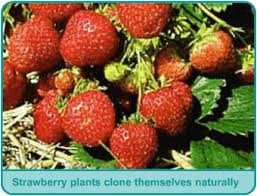
Original article: Calestous Juma (Calestous Juma)
From BBC’s The Green Room
Translated by Enayetur Rahim
“Cloning could bring environmental benefits to developing countries” says Professor Calestous Juma. He argues that biotechnology makes it possible to produce rare livestock that can better adapt to changing environments.”
After five years of research, the US Food and Drug Administration (FDA) has declared that meat from cloned animals is safe to eat. Nevertheless, some consumer groups remain unconvinced and have called for a thorough review of the ethical aspects of cloning.
While their concerns are valid, it is also important to consider the environmental benefits of cloning, especially in the context of developing countries.
For example, the impact of climate change on the environment will likely be felt even more acutely by livestock in developing countries. Many developing countries in Africa, in particular, are expected to be hit the hardest.
To tackle this crisis, advanced technology must be developed, which requires additional investment. Among these technologies, cloning livestock for food production and preservation stands out.
According to the Food and Agricultural Organization (FAO) of the United Nations, about 1,500—or 30%—of all livestock breeds are now threatened with extinction. Most of these breeds are found in developing countries. At present, fewer than 100 are being preserved.
There is no doubt that environmental disasters will accelerate this trend. To slow the rate of extinction, modern breeding methods such as cloning are needed. Through cloning, breeds that are critically endangered or nearing extinction can be preserved.
By preserving species to help ecosystems adapt to these challenges, cloning can play a role in ensuring economic stability. Superior breeds can yield more milk and meat than ordinary breeds, leading to positive impacts on the environment as a whole.
Researchers have already begun using cloning for conservation. For example, in 2004, Indian scientists announced a $1 million (about 70 million taka) research project to preserve the endangered Indian lion through cloning. It is estimated that fewer than 300 of these lions remain. In the same way, other endangered animals such as fish, reptiles, and amphibians can also be preserved. Scientists are optimistic that species like Vietnam’s endangered saola (Pseudoryx nghetinhensis), gaur (Bos javanicus), and wild water buffalo (Bubalus arnee) can be saved through cloning.
Consumer organizations have expressed legitimate concerns about the ethical considerations of cloning and the safety of consuming meat from cloned animals. In the context of developing countries, these claims must be evaluated based on their necessity and scientific evidence.
Let’s consider whether meat from cloned animals is actually safe to eat. The renowned journal Theriogenology has published a series of articles on the health and nutritional properties of cloned animals. The findings from these studies are in line with those published by the FDA: meat from cloned animals is not harmful to human health. Furthermore, research from France’s National Institute for Agricultural Research found no quality differences between the meat and milk of cloned animals and those of regular animals. A joint study by the Kagoshima Livestock Improvement Association of Japan and the University of Connecticut in the USA also failed to find any differences. Therefore, it can be said that the meat from cloned animals is safe to eat.
The Japanese Institute for Animal Science in Biochemistry and Toxicology conducted a study on rats. Some rats were fed meat and milk from cloned animals, while others were fed meat and milk from normal animals. The rats’ urine was then tested for differences, and no differences were found between the groups.
However, there is also another side. American and Brazilian scientists found in a study in Argentina that cloned animals may suffer from certain health problems during their life cycle. But these studies did not claim that the health issues of cloned animals could have a harmful effect on humans.
Improving the well-being and development of the animal kingdom is important for humanity. The scientific community should collaborate with zoologists to conduct further research in this field.
Ethical Dilemmas
Beyond the necessity of cloning in developing countries, the question remains whether it will be accepted there from an ethical standpoint. Cloning is far more expensive than natural breeding—cloning a single animal can cost up to $20,000, or about 1.4 million taka. Although the economic benefit from cloning can be much greater than the cost of adopting the technology, most poor farmers in developing countries cannot afford to clone animals. The main reasons are technological backwardness and a lack of skilled technicians capable of applying the technology.
One way to solve this is for developing countries to form research agreements with developed countries. This would facilitate the transfer of cloning technology to developing countries and help make meat from cloned animals more acceptable as food. By adopting advanced technology, developing countries could produce high-quality dairy products and contribute to the conservation of endangered species.
Original article:
http://news.bbc.co.uk/2/hi/science/nature/6288941.stm
Original author: Calestous Juma is a professor of international
development at Harvard University’s Kennedy School of Government, and co-chairs
a high-level expert panel of the African Union
on modern biotechnology
The Green Room is a regular opinion publication from BBC focusing on environmental issues. Every week, an expert’s opinion piece is published by BBC’s science and environment department. These articles are highly significant in shaping global environmental conservation policies. That is why select articles from The Green Room are being translated and published for Bangladeshi readers.
A translated article does not necessarily mean that these views will benefit Bangladesh. Our goal is to make global environmental perspectives more accessible to Bangladeshi readers. Published articles are open to your opinions or critiques. Please let us know whether you think the content of these articles will benefit or harm our country.






This comment has been sanitized for the English site.
This comment has been sanitized for the English site.
may i have your mail address?