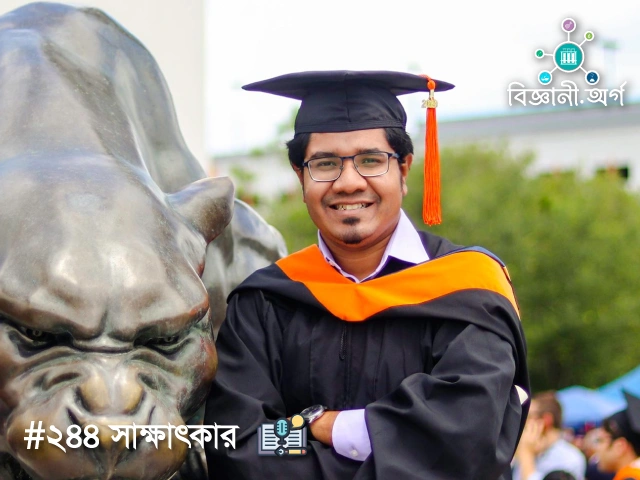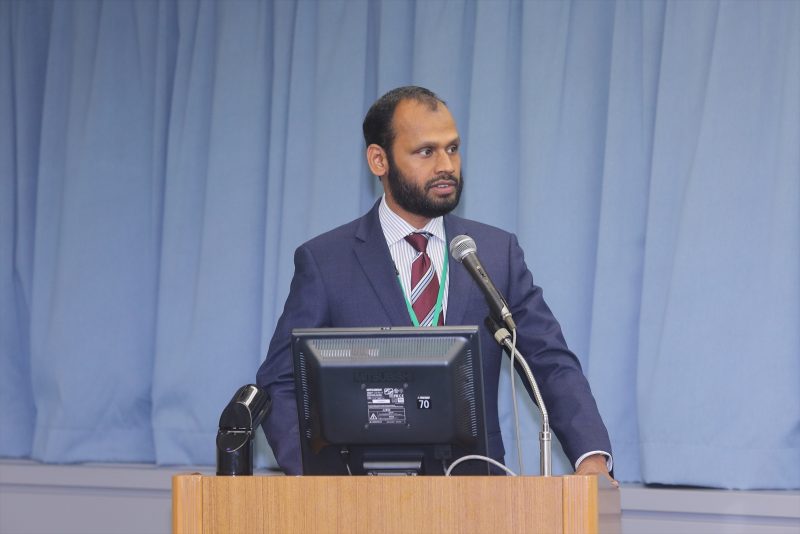
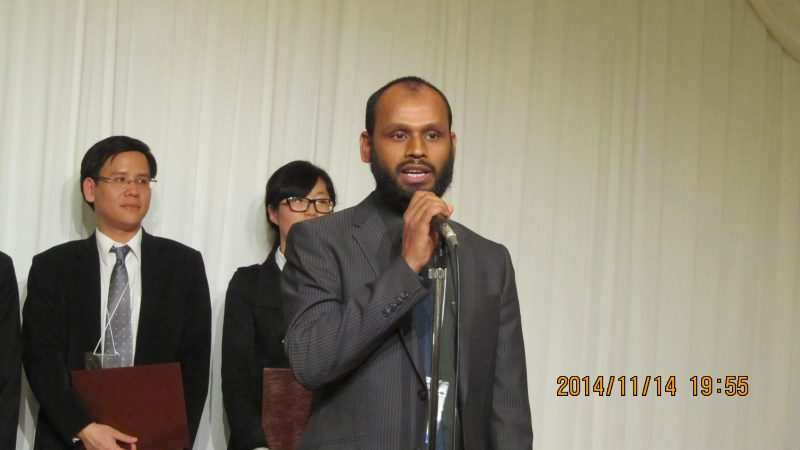
Dr. Mohammad Arif Hossain is a pediatric specialist and cell biology researcher, primarily engaged in neuro-metabolic diseases and iPS (induced pluripotent stem) cell research. He was born in Kashiani, Gopalganj and completed his primary and secondary education at local schools. Later, he passed higher secondary from Mirpur Bangla College, Dhaka, and enrolled at Rajshahi Medical College. After completing his MBBS, he pursued post-graduation in pediatrics.
He earned his PhD from Osaka University, Japan, and received a clinical fellowship in pediatric neuro-metabolic diseases. Dr. Hossain works on isolating neurons from iPS cells to develop treatments for neuro-metabolic disorders.
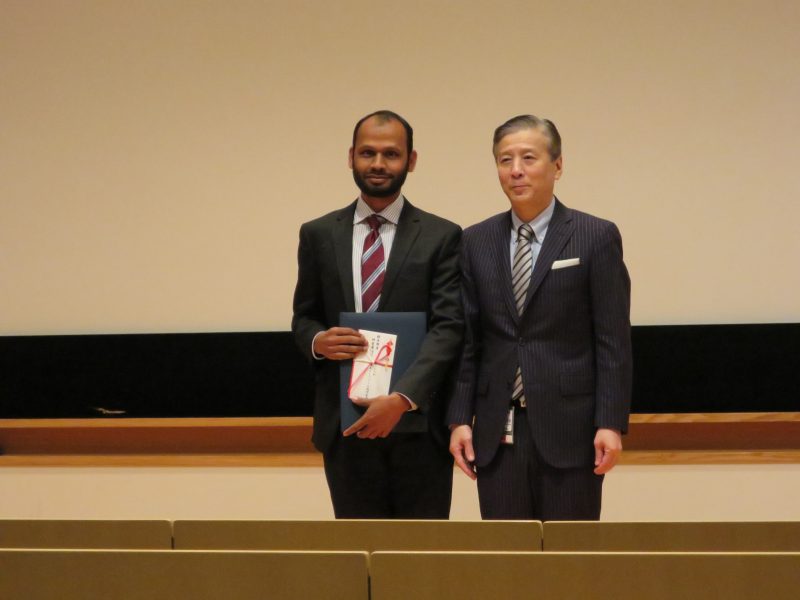
He worked as a Neuro-Metabolic Specialist in Saudi Arabia and is currently providing free diagnostic support across several Asian countries through international collaborations. For his research, he has received multiple international recognitions, including the Kunihiko Suzuki Award (2017) and Young Scientist Award (Nature Publications, 2017).
HONORS AND AWARDS
💬 Q&A Session:
Question: What are you currently working on?
Answer: I am currently working with iPS cells. My goal is to isolate neuron or brain cells from iPS cells, through which treatment for neuro-metabolic diseases will be possible.
Question: What are iPS cells? How can they play a role in cancer prevention?
Answer: iPS cell stands for induced pluripotent stem cell. Professor Shinya Yamanaka won the Nobel Prize in 2012 for inventing this technology. Every organ in the human body is formed from embryonic cells. But once an organ is formed, it cannot return to its original embryonic state. With iPS cell technology, skin or blood cells are transformed to a pluripotent state using special viruses, from which the desired organ or cell can then be generated as needed.
Question: You worked as a Neuro-Metabolic Specialist in Saudi Arabia. What kind of field is this?
Answer: Neuro-metabolic diseases usually occur due to genetic defects. As a result, the brain, liver, heart, and other organs in children can be damaged. Research and treatment in this area are still limited, which is why I enjoy working on it.
Question: Although you are a doctor, you are deeply involved in research. Which profession do you prefer?
Answer: In developed countries, almost every doctor is involved in research. I see myself as a “physician and researcher.” I enjoy both equally.
Question: What are your future research plans?
Answer: I want to expand neuro-metabolic research further. Currently, we are conducting collaborative research in different countries in Asia. I hope this experience will benefit Bangladesh, especially institutions like BSMMU and Children’s Hospital.
Question: What are your hobbies besides research?
Answer: My free time is quite limited. I enjoy spending time with my three children at home. I also like traveling and reading various types of books.
Question: What advice would you give to young students who want to pursue science?
Answer: There is no alternative to research. In medicine, engineering, or any other field, knowledge cannot progress without research. Young people should start small research initiatives themselves. If anyone seeks assistance, Insha’Allah, I will support them.
🔗 Profile Links:
LinkedIn Profile
ResearchGate Profile
Dr. Arif Hossain’s research is paving a new path in the treatment of pediatric neuro-metabolic diseases and genetic medicine. His work centered on iPS cell technology marks a promising chapter in personalized medicine.
The Biggani.org team wishes Dr. Arif Hossain heartfelt congratulations on his success. May his research become a source of inspiration for young scientists in Bangladesh—this is our sincere hope.
A Pediatrician Turned Researcher: The Scientific Path of Dr. Arif Hossain
Dr. Mohammad Arif Hossain is a pediatrician and cellular biologist specializing in neuro-metabolic disorders and iPS (induced pluripotent stem) cell research. Born in Vatiapara, Kashiani, Gopalganj, Bangladesh, he completed his secondary education locally and pursued higher secondary studies at Mirpur Bangla College, Dhaka. He graduated with an MBBS degree from Rajshahi Medical College and later obtained his post-graduation in pediatrics.
He earned his Ph.D. from Osaka University, Japan, and completed a clinical fellowship in pediatric neuro-metabolic diseases at the same institution. Dr. Hossain’s current research focuses on deriving neuron cells from iPS cells to develop treatment strategies for neuro-metabolic disorders.
He has also served as a Neuro-Metabolic Specialist in Saudi Arabia and currently collaborates with several Asian countries to provide free diagnostic support for inherited metabolic diseases. His notable awards include the Kunihiko Suzuki Award (2017), Young Scientist Award (Nature Publications, 2017), and several international honors recognizing his contribution to medical genetics and stem cell research.
💬 Interview Section:
Question: What are you currently working on?
Answer: I’m currently working on iPS cells. My goal is to isolate neuron cells (brain cells) from iPS cells to develop potential treatments for neuro-metabolic diseases.
Question: What is an iPS cell, and how can it help in cancer prevention?
Answer: iPS cells are induced pluripotent stem cells. The discovery of iPS cells earned Professor Shinya Yamanaka the Nobel Prize in 2012. All human organs — brain, liver, blood — originate from embryonic cells. Once the organs are formed, it’s impossible to revert to that embryonic state naturally. iPS cells are created by reprogramming skin or blood cells using specific viruses, turning them into pluripotent stem cells similar to embryonic cells. These cells can then be used to regenerate damaged tissues or organs.
Question: You worked as a Neuro-Metabolic Specialist in Saudi Arabia. Can you explain this field?
Answer: Neuro-metabolic diseases are mostly genetic. Children are born with certain gene defects that later cause dysfunction in the brain, liver, kidneys, and heart. Although the number of such patients is not small, research and treatment in this area remain limited. That’s why I’m passionate about studying and addressing these diseases.
Question: You are both a physician and a researcher. Which profession do you enjoy more?
Answer: In developed countries, most physicians are also researchers. I consider myself a “physician-researcher.” I truly enjoy both equally.
Question: What are your future research plans?
Answer: I’ve received several international awards for my work on neuro-metabolic diseases. Now I want to expand this research further. Our institute collaborates with several Asian countries to support diagnosis of neuro-metabolic disorders free of cost. I’ve reached out to several professors in Bangladesh — especially at BSMMU and the Dhaka Shishu Hospital — to collaborate, but unfortunately, I haven’t received much response yet. I’d love to contribute my expertise to my home country.
Question: What do you do in your leisure time?
Answer: Honestly, I don’t have much leisure time. I have three children, and their laughter fills my evenings with joy. Spending time with them recharges me for the next day. I also love traveling and reading books of various genres.
Question: What advice would you give to young students interested in science?
Answer: Research has no alternative. Without research, there is no future — whether in medicine, engineering, or any other field. A doctor who doesn’t research may not fully understand why a treatment works or doesn’t work. Should we rely on others’ discoveries forever? Let’s start, even on a small scale. Anyone seeking guidance or help will always find me by their side, Insha’Allah.
🔗 Profile Links:
LinkedIn Profile
ResearchGate Profile
Dr. Arif Hossain’s research in pediatric neuro-metabolic diseases and iPS cell technology marks a significant step toward next-generation medical treatment. His dedication to collaborative, human-centered science is inspiring.
The biggani.org team wishes Dr. Hossain continued success and hopes his work becomes a source of inspiration for aspiring Bangladeshi scientists around the world.