


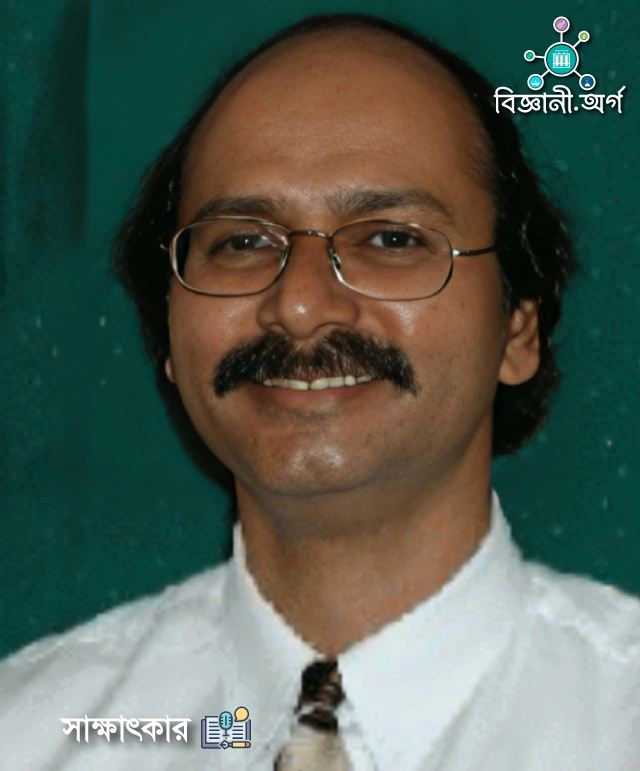
Dr. Atiur Rahman is an Associate Professor in the Department of Food, Agricultural and Resource Economics at the University of Guelph in Canada. His academic life began at Bangladesh Agricultural University, where he completed his B.Sc. (Honours) in Agricultural Economics in 1980 and an M.Sc. with a specialization in Marketing in 1982. He later went to Canada to pursue a Ph.D. in Agricultural Economics.
Dr. Rahman’s research is significant for understanding the intricate dynamics of the global food system. His primary fields include the economics of international trade, the impact of regional trade agreements like NAFTA, price volatility in agricultural products, and the effectiveness of agri-food safety-net programs. His publications often discuss Canadian agriculture’s competitiveness in key sectors such as wheat, beef, and pork. His educational background in Bangladesh and research experience in Canada have given him a unique perspective on both policy and real-world impact.
💬 Q&A Session:
Question: We’d like to know about your childhood and life in Jamalpur. What was your family background like?
Answer: I was born in a village in the Jamalpur district. My father was a low-income government employee. Our family was quite large; I am one of three brothers and four sisters. My father’s modest income supported us all. He never saw a 100-taka note in his lifetime. Our lives were very simple. I started my education at the village primary school. However, another challenge was that we had to frequently relocate due to my father’s job, which meant I often had to change schools.
Question: What was your experience like coming to Dhaka for higher studies and how were the early days?
Answer: After passing my SSC, I came to Dhaka. A distant uncle lived in a small rented house, and I stayed with him. My uncle was also not well-off. I got admitted to college, but managing living and study expenses was a major challenge. I looked for tuition jobs to support myself, but couldn’t find any. My uncle’s family provided food, but nothing beyond that. I didn’t have the money to buy the necessary books.
Question: University life was filled with struggles. Which specific difficulties affected you most and how did you overcome them?
Answer: After my HSC, I enrolled at university. Life became even more uncertain. I lived in a mess, but I didn’t have money. I couldn’t pay even for daily meals. At one point, I had only 20 taka left, which needed to last for 15 days. I saw no way out and decided to leave my studies and return home. I wrote a letter to my father explaining this. Just then, a senior student from my department came to see me. He noticed my distress and asked what was wrong. I shared my troubles with him. He listened attentively and encouraged me not to give up.
Question: How did that senior’s assistance influence your journey?
Answer: That support changed my life’s trajectory. He found me a tutoring job with a monthly salary of 150 taka. At the time, that amount felt priceless to me. With that small income, I could afford food and continue my studies. I moved from one mess to another, always searching for cheaper options. That small act of support gave me the strength to persevere. I finished my degree and then completed my master’s as well. Those struggles taught me the value of persistence.
Question: After finishing your studies at Bangladesh Agricultural University, you went to Canada for a Ph.D. How did your experiences in Bangladesh influence your research?
Answer: Going from Bangladesh to Canada was a big step. The foundation I got at Bangladesh Agricultural University was invaluable. Experiencing financial uncertainty and witnessing the struggles of an agriculture-dependent society first-hand gave me a unique perspective. When I began researching agri-food security, risk management, and trade policy, it was never just an academic exercise. I personally understood how economic instability could impact individuals and families. That experience keeps my work grounded in the human realities behind economic models and policies.
🔗 Profile Link: https://www.uoguelph.ca/oac/people/atiur-rahman
🔗 Published: www.sydneybashi-bangla.com
🔗 PDF: sydneybashi
Dr. Atiur Rahman’s life is testament to the indomitable strength of the human will and the transformative power of education. Overcoming extreme adversity in his youth to become a respected academic in agricultural economics is truly extraordinary. His professional work on economic security and risk management gains even deeper meaning against the backdrop of his personal struggles. The biggani.org team thanks Dr. Rahman for sharing his story and wishes him continued success.
From Jamalpur to Global Economics: The Journey of Dr. Atiur Rahman
Dr. Atiur Rahman is an Associate Professor in the Department of Food, Agricultural and Resource Economics at the University of Guelph in Canada. His academic journey began at Bangladesh Agricultural University, where he earned a B.Sc. in Agricultural Economics (Honours) in 1980 and an M.Sc. in the same field with a specialization in Marketing in 1982. He later moved to Canada to pursue his Ph.D. in Agricultural Economics.
His research provides a critical lens on the complex dynamics of the global food system. Dr. Rahman’s work focuses on the economics of international trade, the impact of regional trade agreements like NAFTA, price volatility in agricultural markets, and the effectiveness of agri-food safety-net programs. His publications often explore the competitiveness of Canadian agriculture in key sectors such as wheat, beef, and pork. This specialization places him at the intersection of high-level policy and its real-world impact on producers and consumers, a perspective shaped by his foundational education in Bangladesh and his advanced research in Canada.
💬 Q&A Session:
Q: Could you tell us about your childhood and early life in Jamalpur? What was your family’s situation like?
A: I was born in a village in the Jamalpur district. My father was a low-income government employee. Our family was quite large; I have three brothers and four sisters. My father’s meager income was the only source for our entire family. He never saw a 100 taka note in his life. Our life was very simple. I started my education at the village primary school. But there was another challenge—my father had to move frequently for his job, so I had to change schools often.
Q: You moved to Dhaka for your higher studies. What was that transition like, and what were some of the initial challenges you faced?
A: After passing my SSC exams, I came to Dhaka. We had a distant relative, an uncle, who lived in a small rented house. I moved in with them. My uncle’s financial situation was also not good. I enrolled in a college, but the cost of living and education was a significant burden. I tried to find a tuition job to support myself, but I couldn’t find one. My uncle’s family provided me with food, but beyond that, they couldn’t help much. I couldn’t even afford to buy the necessary books.
Q: The narrative of your university life is one of immense struggle. Could you share some of the specific hardships you endured and how you managed to persevere?
A: After my HSC exams, I was admitted to the university. My life became even more uncertain. I was staying in a student mess, but I had no money. I couldn’t even afford the daily meal charges. I remember one day, I had only 20 taka left, which had to last me for 15 days. I couldn’t see any way forward. I decided to leave my studies and return home. I felt completely defeated. I even wrote a letter to my father explaining my decision. However, at that moment, a senior from my department came to see me. He asked me why I looked so distressed, and I broke down and told him everything. He listened patiently and told me not to give up.
Q: You mentioned a specific moment involving a senior student during a particularly difficult time. How did that interaction influence your path forward?
A: That senior’s intervention was a turning point. He understood my situation and managed to find a tuition job for me. The salary was 150 taka per month. To me, that 150 taka felt like 1.5 million taka today. It was the lifeline I desperately needed. That small income allowed me to cover my meal expenses and continue my studies. I moved from one mess to another, always looking for the cheapest option. I remember one place where the monthly charge was only 60 taka. I faced many such hardships, but that single act of kindness from my senior gave me the strength to carry on. I managed to complete my degree, and then my master’s. Looking back, those struggles taught me the value of perseverance.
Q: After completing your education at Bangladesh Agricultural University, you pursued a Ph.D. in Canada. How did your experiences in Bangladesh shape your approach to your research in agricultural economics?
A: My journey from Bangladesh to Canada was a significant step. The foundation I received at Bangladesh Agricultural University was crucial. My direct experience with financial precarity and witnessing the struggles of a society dependent on agriculture gave me a unique perspective. When I began my research on topics like agri-food safety-net programs, risk management, and trade policy, it wasn’t just an abstract academic exercise for me. I understood, on a personal level, what economic instability means for individuals and families. This background has always grounded my work, reminding me of the human dimension behind the economic models and policies we analyze.
🔗 Profile Link: https://www.uoguelph.ca/oac/people/atiur-rahman
🔗 Published: www.sydneybashi-bangla.com
🔗 PDF: sydneybashi
Dr. Atiur Rahman’s journey is a powerful testament to the resilience of the human spirit and the transformative potential of education. His story, from facing profound hardship in his youth to becoming a respected academic shaping agricultural economic policy, is truly remarkable. His professional work on economic safety nets and risk management gains a profound depth when viewed through the lens of his personal history. The biggani.org team extends its heartfelt appreciation to Dr. Rahman for sharing his story and wishes him continued success. His life and work stand as an inspiration to aspiring scientists and researchers across Bangladesh and beyond.






I am Highly praised….
Greetings Maruf Ahmed,
Thank you for your inspirational comment.
amazing my eyes ave wet after reading