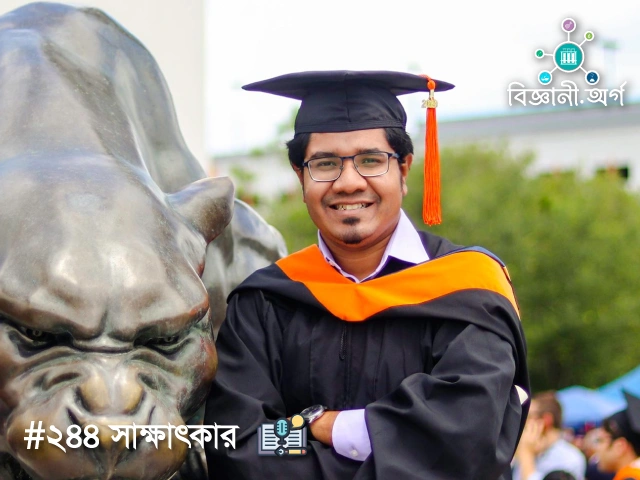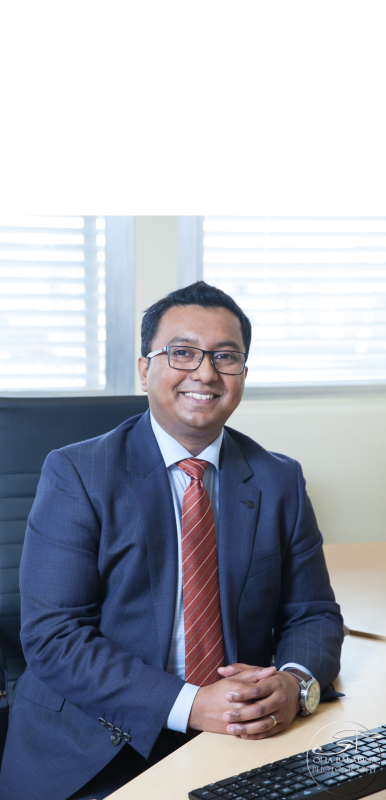
Dr. Mohiuddin Ahmed is a researcher and educator working in the fields of cybersecurity, machine learning, and data analytics. He completed his Bachelor’s degree in Computer Science (First Class with Honors) from the Islamic University of Technology (IUT), Bangladesh, in 2011. After a short period teaching at Green University of Bangladesh, he pursued his PhD at the University of New South Wales (UNSW), Australia, where his research focused on developing new algorithms for large data summarization and ensuring cybersecurity.
Currently, he teaches and conducts research at the Canberra Institute of Technology (CIT)’s Center for Cybersecurity and Games. His work centers on False Data Injection Attack, blockchain, deep learning, and cyber-biosecurity. Dr. Ahmed is an associate editor of the International Journal of Computers and Applications and a member of the editorial advisory board of Cambridge Scholars Publishing. He is currently based in Australia and works to connect research, education, and policymaking.
💬 Q&A Session:
Q: Please tell us a bit about yourself.
A: I was born in Khilgaon, Dhaka, the youngest of three children. I studied at Khilgaon Government High School up to class six, after which I spent six years at Sylhet Cadet College. My father wanted me to become an army officer, but due to my interest in computer science, I completed my Bachelor’s from IUT in 2011. After teaching at Green University, I completed my PhD from UNSW in Australia. After PhD, I worked at Malaysia’s MIMOS AI division and later joined CIT, Canberra as a teacher. Currently, I am teaching and researching at CIT’s Center for Cybersecurity and Games. My hobbies are reading storybooks and collecting toy cars.
Q: What was your PhD research about?
A: My PhD research was based on machine learning and cybersecurity. Big data analysis is time-consuming and expensive. I proposed new algorithms (unsupervised learning-based summarization) that help in data summarization and ensuring cybersecurity. This research has been published in various journals, conferences, and book chapters. I received the High Impact Research Publication Award at UNSW and several conference scholarships.
Q: What are you currently working on?
A: I teach cybersecurity and game development and am involved in several research projects. One major challenge is detecting False Data Injection Attack. Hackers can introduce false data to harm hospitals or sensitive systems. To solve this, I am using deep learning and blockchain. Additionally, I am working on cyber-biosecurity where things like DNA sequence tampering can occur. I am also editing a book on Data Analytics.
Q: What are your thoughts on the cybersecurity industry?
A: There are many differences between industry and academia. It is important to bridge the gap between Cisco certifications and research work. Overseas, cybersecurity is taught as a standalone degree. If there is a balance of practical and theoretical knowledge, cybersecurity will become easier.
Q: What do you think about the importance and changes of information?
A: Information is an integral part of our lives. Dependence on new information is increasing, which is creating new employment opportunities. It is essential to have skills in data analysis and security. Internet users need to be aware; otherwise, they can fall victim to criminals. Raising public awareness is very important in this regard.
Q: What are your thoughts on Artificial Intelligence (AI)?
A: AI is an important part of computer science. In an internet-based life, the role of AI is immense. AI has both positive and negative aspects. For example, recommendations from Google or Facebook impact our lives. AI is helpful in improving quality of life in healthcare, the Internet of Everything, and daily activities.
Q: What kind of work do you do at Taylor & Francis Group?
A: As an associate editor at the International Journal of Computers and Applications, I edit papers on cybersecurity and data mining. I am also a member of the editorial advisory board at Cambridge Scholars Publishing.
Q: How does it feel to work in Australia?
A: Here, teachers are accountable to students. Keeping lectures updated and teaching state-of-the-art technology is challenging but rewarding.
Q: What are your future plans?
A: I aim to establish a Data Analytics research center and form a multidisciplinary team. I plan to pursue a Master’s in National Security Policy from the Australian National University next year. My main goal is to serve the public by combining research and policymaking.
Q: Do you have any advice for young people?
A: Never give up. Work hard and stay humble.
Dr. Mohiuddin Ahmed’s research is making significant contributions to AI, cybersecurity, and data analytics. His work has an undeniable impact on healthcare, secure systems, and technological innovation. The biggani.org team wishes Dr. Ahmed continued success in his research and hopes that his journey becomes a source of inspiration for the young scientists of Bangladesh.
Exploring Machine Learning and Cybersecurity Innovations – Dr. Mohiuddin Ahmed
Dr. Mohiuddin Ahmed is a researcher and educator specializing in cybersecurity, machine learning, and data analytics. He completed his Bachelor’s degree in Computer Science with First Class Honors from the Islamic University of Technology (IUT), Bangladesh, in 2011. After a brief teaching stint at Green University of Bangladesh, he pursued his PhD at the University of New South Wales (UNSW), Australia, where his research focused on developing novel unsupervised learning algorithms for data summarization and cybersecurity applications.
Currently, Dr. Ahmed serves as a faculty member at the Canberra Institute of Technology (CIT), within the Center for Cybersecurity and Games, conducting both teaching and research. His work addresses contemporary challenges such as false data injection attacks in sensitive systems, cyber-biosecurity threats, and applications of AI and blockchain for data protection. He also contributes as an associate editor for the International Journal of Computers and Applications and serves on editorial advisory boards for cybersecurity publications. Dr. Ahmed is based in Canberra, Australia, actively bridging research, policy, and education.
💬 Q&A Session:
Q: Can you tell us a little about yourself?
A: I was born in Khilgaon, Dhaka, the youngest of three siblings. I studied at Khilgaon Government High School until class six, then spent six formative years at Sylhet Cadet College. My father wished for me to become an army officer, but I was drawn to computer science. I earned my Bachelor’s degree with First Class Honors from the Islamic University of Technology (IUT) in 2011. After teaching briefly at Green University of Bangladesh, I pursued a PhD at UNSW, Australia, where I spent four years and eight months developing my research. Post-PhD, I worked at Malaysia’s MIMOS in the AI division before joining CIT in Canberra. Currently, I teach and research at CIT’s Center for Cybersecurity and Games. I enjoy reading storybooks and collecting toy cars.
Q: What was your PhD research about?
A: My PhD focused on machine learning and cybersecurity. Big data analysis can be time-consuming and expensive, so I developed new algorithms—particularly unsupervised learning-based summarization—to streamline the process. These algorithms help enhance cybersecurity and have been published in journals, conferences, and book chapters. I received several research awards at UNSW and participated in conferences through competitive scholarships.
Q: What are you currently working on?
A: I teach cybersecurity and game development while leading several research projects. One major challenge is detecting false data injection attacks, where hackers insert incorrect data into systems like hospitals, which can be critical in healthcare. I’m exploring deep learning and blockchain solutions for this problem. Another project focuses on cyber-biosecurity, including preventing DNA sequence tampering. I’m also finalizing a book on Data Analytics to be published by CRC Press in July.
Q: How do you view the cybersecurity industry?
A: There is a gap between industry practice and academic research. Certifications like Cisco teach applied skills, while research requires theoretical insight. Bridging this gap is essential. Countries abroad offer standalone degrees in cybersecurity, blending practical and theoretical knowledge, which I believe will make cybersecurity more effective.
Q: How do you perceive the growing role of data in our lives?
A: I am optimistic. Increasing data creates new employment opportunities, but analyzing and securing data requires essential skills, regardless of one’s profession. Internet users should develop awareness and competency to avoid falling prey to cybercrime. Public education is as important as formal training.
Q: Can you tell us about Artificial Intelligence (AI) and its role?
A: AI is a crucial area in computer science. With life increasingly internet-based, understanding AI is vital. It has both positive and negative aspects. For example, AI-driven recommendations on platforms like Google or Facebook can improve user experience or lead to unintended purchases. AI plays a growing role in improving healthcare outcomes and daily life, particularly through Internet of Everything applications.
Q: What kind of work do you do at Taylor & Francis Group?
A: I serve as an associate editor under the Editor-in-Chief for the International Journal of Computers and Applications, managing papers on cybersecurity and data mining. I also serve on the editorial advisory board for Cambridge Scholars Publishing in cybersecurity.
Q: How has your experience been working in Australia?
A: Australia encourages accountability among educators toward students. Teaching here requires staying updated with lectures and state-of-the-art technologies. It is challenging but rewarding.
Q: What are your future plans?
A: I aim to establish a Data Analytics research center with a multidisciplinary team to share research outcomes widely. I also plan to pursue a Master’s in National Security Policy at the Australian National University to integrate research with policy-making. My goal is to serve the public by combining research and policy.
Q: Any advice for young readers who want to become scientists?
A: Never give up. Work hard and stay humble.
Dr. Mohiuddin Ahmed’s research at the intersection of AI, cybersecurity, and data analytics addresses some of today’s most pressing technological challenges. From healthcare system security to innovative AI applications, his work reflects a commitment to both research excellence and practical impact. The biggani.org team extends its best wishes to Dr. Ahmed for continued success, hoping his journey inspires young scientists in Bangladesh and beyond.