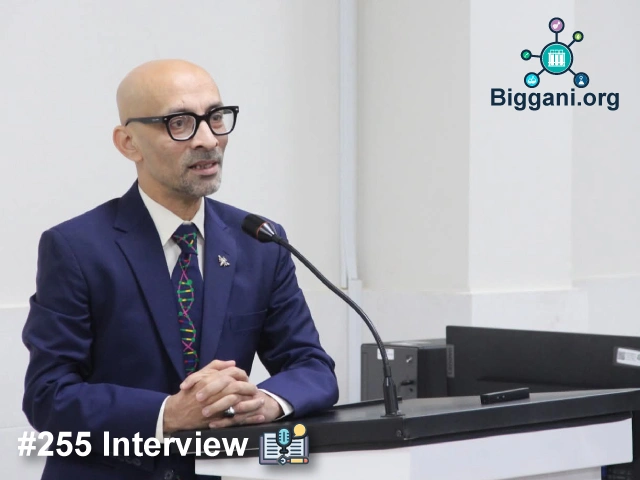
Sarkar M Shaheen is an internationally recognized specialist in the Precision Medicine and Pharmacogenetics group, conducting research on the genetics and environmental causes, remedies, and novel treatment methods of mental disorders in children and adolescents, such as autism and neurodevelopmental disorders.
First, we would like to know about you
My early education and upbringing took place in a remote area called Astadhar under Mymensingh Sadar Thana, while my urban life began with my higher secondary studies at Ananda Mohan University College. My higher studies started at the Faculty of Marine Science and Fisheries at the University of Chittagong (https://cu.ac.bd/fmsf/), where I completed a Bachelor of Science and then a Master of Science in Environmental Toxicology, followed by an MBA from the School of Business at Bangladesh Open University. Later, I graduated in Molecular Genetics from McGill University in Canada (https://www.mcgill.ca/microimm/), and completed a short postgraduate training in Clinical Genetics from Harvard University, USA (https://hsph.harvard.edu/). Recently, I received a certification diploma in Project Management and Information Technology through On-The-Job Training from the University of Calgary (https://www.ucalgary.ca/).
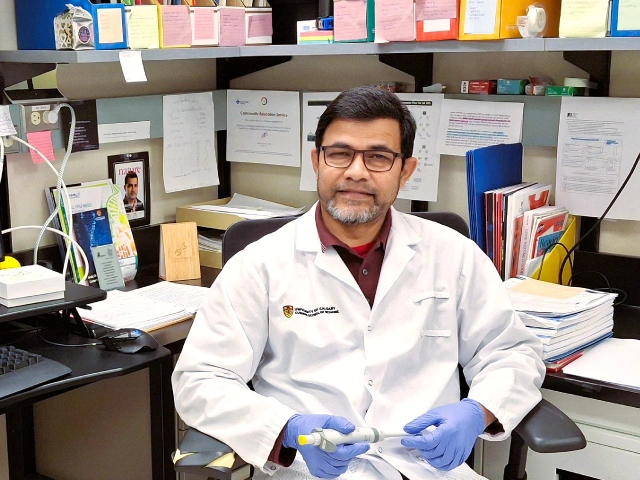
Author: Neurogenetics and Precision Medicine Laboratory
I have been working in neurogenetics, precision medicine, tissue biobanking, and pharmaceutical management for 32 years. Currently, I am employed as a Research Scientist in the ‘Neurogenetics and Precision Medicine’ Research Network at the University of Calgary (Ucalgary.ca), Canada. In 2015, at the invitation of Mathison Centre for Mental Health Research and Education (https://hbi.ucalgary.ca/mathison) and Hotchkiss Brain Institute (https://hbi.ucalgary.ca/), I transferred from my previous position at the Hospital for Sick Children (https://www.sickkids.ca/en/research/research-programs/genetics-genome-biology/), which is affiliated with the University of Toronto (https://www.utoronto.ca/). I had the opportunity to work as a Research Project Manager for eight years in this specialized pediatric institution. The institution allowed me to understand the biochemistry, types of genetics, and phenotypes or observable characteristics of mental disorders in children and adolescents, such as autism, autism spectrum disorder, ADHD, OCD, and anxiety spectrum disorders.
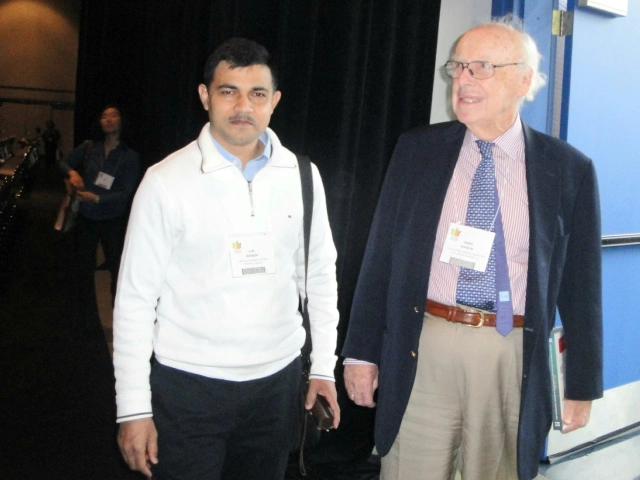
Author: and James Watson, Nobel-winning molecular scientist, discoverer of the mysterious DNA code
Earlier, I began my career in Bangladesh at the Switzerland-based multinational company Roche Pharmaceuticals (https://www.roche.com/), working in clinical trials in the life-saving antibiotics and oncology departments. Later, I gained experience in quality assurance and management at Novartis Ltd (https://www.novartis.com/), and Linkers Far East Company. Working in these industries gave me a comprehensive understanding of interpersonal skills, which helps in building positive relationships and effective communication. Communication and interpersonal skills are both an art and science, and play a critically supportive role. These skills help people connect, understand, and navigate social situations in both personal and professional life. Every achievement, however small, contributes to the ongoing improvement of one’s life, as shown by my experiences in these industries. I’m grateful to all trainers, mentors, and employers from these industries who helped illuminate my early career through training in soft skills. I am especially thankful to all those remarkable individuals. For the past 24 years abroad, I have had the chance to know and learn from many famous researchers, teachers, students, and above all, great people. As I started life amidst many social inconsistencies and adversities, I could easily identify my own shortcomings. The sequence of life experiences has taught me how true people speak, help others, work silently hard—and never compromise their credibility. I am grateful to Almighty Allah, my respected parents, family members, all my teachers, dear friends, seniors, and juniors—whose affection and inspiration I owe. I am even respectfully grateful to the handful of people who have never tolerated me or perhaps still can’t. Without them, even these minor successes or this journey might not have been possible.
What is the subject of your research?
My area of expertise is ‘Neurogenetics and Precision Medicine and Tissue Biobanking’ for Autism and Neurodevelopmental Disorders. To make it easier to understand, let’s first briefly discuss neurogenetics.
Neurogenetics: ‘Neuro’ refers to the brain’s nerves or nervous system, and genetics is the study of heredity. Neurogenetics studies the role of genes in the development and functioning of an organism’s nervous system. In particular, it examines the role of genes in neurological and mental disorders, and how genetic tests and tools can help in understanding brain and nervous system development, nerve cell organization, complex neurological diseases, personalized treatment methods, and family health risk assessment. The driving force behind hereditary studies is the gene, which is a chemical component called DNA (Deoxyribonucleic Acid)—composed of adenine, guanine, cytosine, and thymine. DNA, located in the nucleus of the cell, is arranged in a precise sequence. The typical human genome contains about 3.2 billion base pairs of DNA, divided among 24 kinds of nuclear chromosomes and many small mitochondrial (cell power house) chromosomes, determining the genetic code of living beings. Genes are transmitted from parents to offspring, preserving this continuity across generations; this process has been ongoing since the beginning of human history. Genes carry all information relating to human development, nature, physical form, growth, height, eye color, and even diseases.
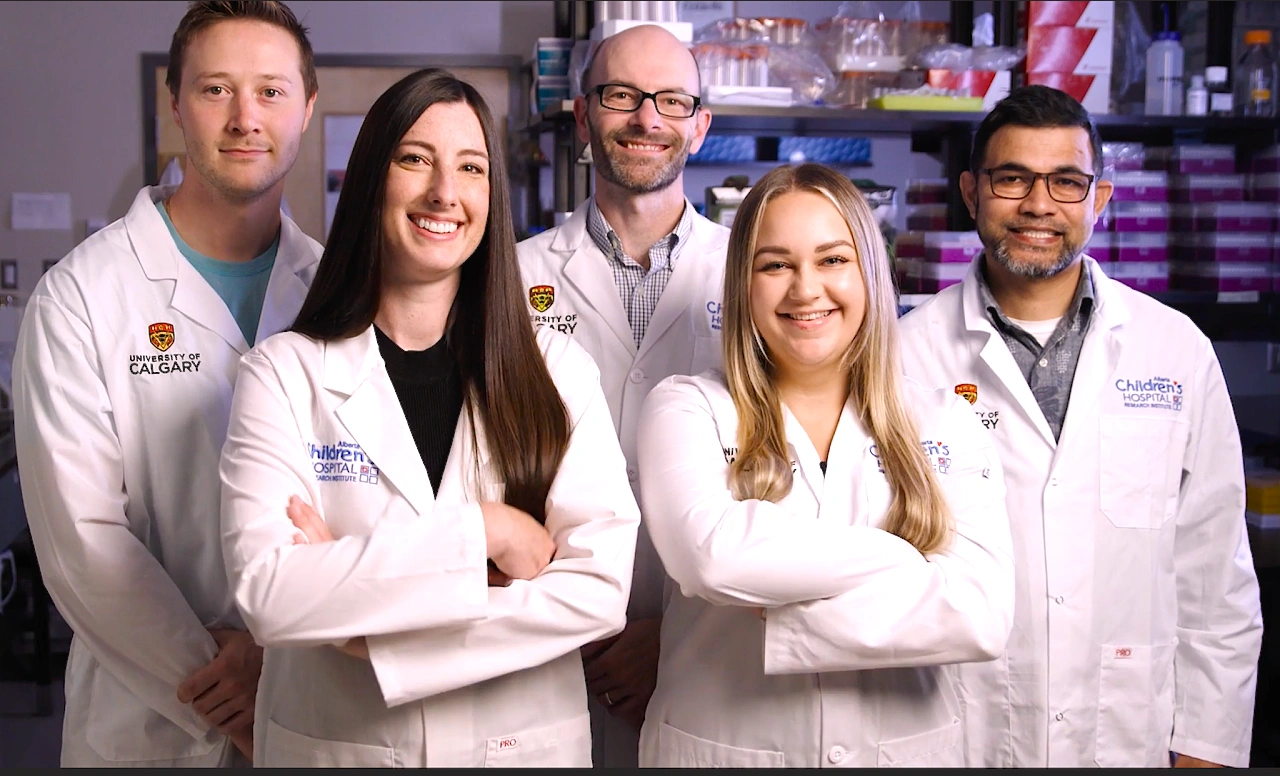
Neurogenetics and Precision Medicine researchers
What is ‘Precision Medicine’?
‘Precision Medicine’ is an innovative term in the field of medicine, sometimes also called “personalized medicine.” The process uses information about a person’s genes, proteins, environment, and lifestyle to precisely tailor diseases’ prevention and treatment, considering differences in environment and lifestyle. ‘Precision Medicine’ helps drug scientists and healthcare providers find out how well treatments are working or to diagnose diseases.
https://www.youtube.com/watch?v=6NdXsoo0j3I
How does ‘Neurogenetics and Precision Medicine’ work?
The ‘Neurogenetics and Precision Medicine Laboratory’ identifies the types of diseases in children and youth with mental health and neurodevelopmental issues such as autism, autism spectrum disorder, ADHD, OCD, and anxiety spectrum disorders by detecting DNA variations or mutations. In this process, we follow an experimental method called gene sequencing. Gene sequencing, or DNA sequencing, determines the precise order of the four chemical components of DNA—adenine, guanine, cytosine, and thymine (A, T, C, G)—using fluorescently labeled terminator bases and enzymes. DNA sequencing methods include Sanger sequencing for individual DNA fragments and Next Generation Sequencing, which accelerates the study of entire genomes.
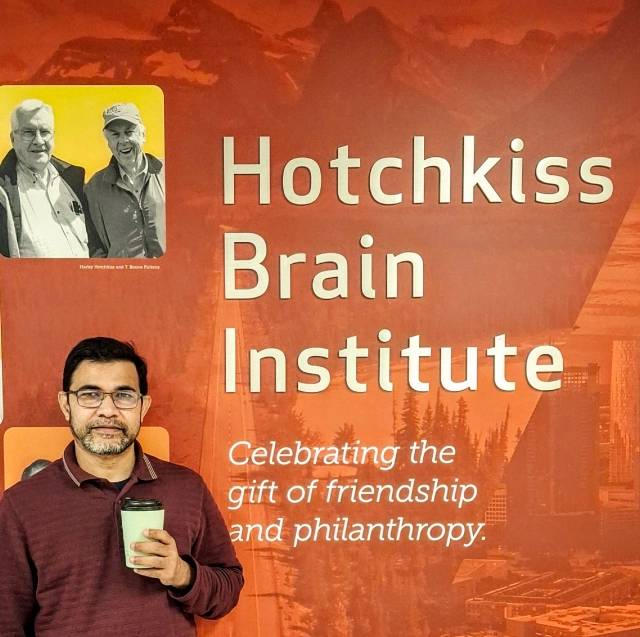
HBI: An internationally recognized research center for new discoveries and therapies in brain and mental health.
It rapidly sequences millions of DNA fragments at once. This process typically involves DNA amplification, fragmentation, enzymatic reactions, and analyzing fluorescent signals to decode the genetic code. Currently, for your information, there is no absolute diagnostic procedure for autism or neurodevelopmental treatments globally. The traditional, ‘One Fits for All’ approach is followed in treatment, based on the same rules for everyone, typically relying on drug guidelines and general medical theories. However, due to individual patient genetic, metabolic, and other differences, this trial-and-error approach may not be effective for everyone. Genetic variations and metabolic differences mean that some drugs may be ineffective or even risky for certain individuals, causing side effects and, in some cases, even posing a risk of death. Addressing this diagnostic limitation, our Neurogenetics Research group has already implemented a pharmacogenetic testing method focused on ‘children and youth’s’ mental health, which is the first evidence-based testing method in Canada to gain international recognition (https://youtu.be/BjUlLkSbhxk). The main objective of this method is to ensure precise diagnosis and treatment processes tailored to the patient’s own genetic makeup, molecular profile, and personal data. Traditional treatments like antidepressants and antipsychotics, when given to autistic patients through the current trial-and-error method, can hurt both their recovery and their families’ finances. This process can be partially avoided by applying pharmacogenetic testing, improving medication effectiveness, and reducing the risks of inappropriate drug responses, illness, mortality, and unnecessary expenses. That’s why this is called Precision Medicine or Personalized Medicine.
Tissue Biobanking:
Neurogenetics Tissue Bank functions by collecting, processing, preserving, and distributing biological samples (such as blood, tissue, human DNA, and related health information). These biological samples are stored at ultra-low temperatures in freezers. Biobanks are vital resources for any researcher, enabling the investigation of disease causes and consequences, the development of new diagnostic tests and therapies, and linking genomic data with clinical outcomes and lifestyle information for advancing personalized medicine. The Neurogenetics Precision Laboratory has so far dealt with around 110,000 human DNA samples, ensuring quality assurance and compliance with clinical and mental health research policies and guidelines, including barcoding, scanning, management, and processing best practices. Among biobanking’s key tasks are maintaining biological sample (Human DNA) quality assurance and standards, facilitating access for collaborating scientists, and enabling both local and international cooperation. Managing tissue or DNA samples uses specialized software (https://www.bcplatforms.com/, https://www.freezerworks.com/) called Biobanking Information Management System (BIMS) or Laboratory Information Management System (LIMS). These software systems offer features like automated tracking, chain of custody, management, regulatory compliance, and support for reproducible research, personalized medicine, drug discovery, and collaborative clinical trial efforts.
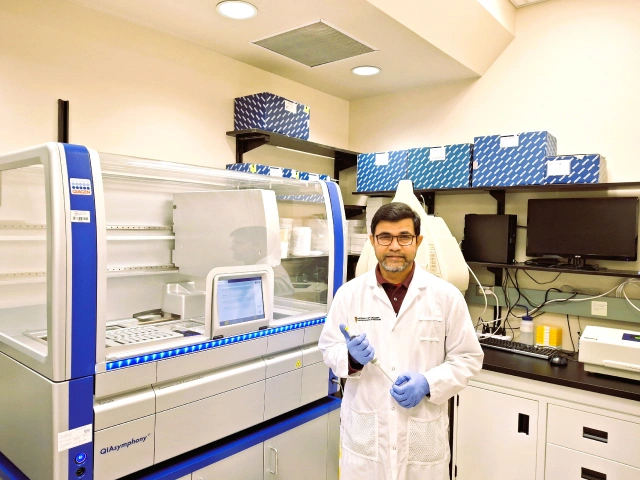
Neurogenetics Tissue Biobank
How does your research benefit or could benefit us?
In the 21st century, ‘Pharmacogenetics and Precision Medicine’ are emerging innovations in accurate disease diagnosis and drug selection, playing a pivotal role in healthcare. Proper application of pharmacogenetic and precision medicine approaches holds vast potential for treating complex diseases—such as neurodevelopmental disorders, cancer, arthritis, diabetes, and heart disease. For densely populated countries like Bangladesh, implementing these methods offers significant positive impact and potential to reduce the public health, educational, and economic burden of healthcare services.
Could you share any unique research experiences with us?
From the very beginning of my education, I was curious about the structure of living organisms and biology—such as cell structures, the function of mitochondria within cells, and how these support growth, reproduction, and survival. This curiosity first surfaced in my ninth-grade biology practical class—especially during frog dissections, where standard questions were set, but my extra questions often irritated my biology teacher. In botany class, we dissected ‘Hibiscus rosa-sinensis.’ The structured, exam-focused rules of school life didn’t provide answers to my many curious questions. At college, one of my favorite mentors was the late Dr. Muhammad Jahangir Hasan, who had the skill to silence a noisy class with skeleton drawings. He taught me about the relationship between full frog dissection and other organisms. However, my HSC period was also very short.
Later, for my master’s thesis in Environmental Toxicology, my topic was determining the toxicity of ‘DDT’ (a moderately toxic and persistent chemical) in deep sea fish, soil, and water from the Bay of Bengal—which is linked to human cancer. For this, I had to visit the Atomic Energy Research Establishment near Savar, as they had the only lab with a Gas Chromatography Column for such tests. Collecting marine fish, water, and soil from the Bay of Bengal and bringing it to the atomic research lab was not easy.
Especially during that period, there was no university merit scholarship or even minimum financial support for such research. I realized then why young researchers are not motivated for local research. Although Amanullah Chowdhury from Rangs Sea Resource Limited helped with sample collection via their commercial fishing vessels (for which I am grateful), the process was all based on personal communication. Also, unfortunately, the one-year research work took me a full two years because the gas chromatograph suddenly broke and had to be sent to the International Atomic Energy Commission in Vienna for repairs, since it was their property. I feared I would not complete my research on time and might not graduate that year. Due to inadequate technical assistance, bureaucracy, and less-skilled supervision, my research experience was more diverse than fulfilling. Still, I didn’t lose heart. With Allah’s mercy, I presented my work in the department with courage and honor; later, it was published in a reputable journal. From this experience, I resolved and dreamed of working in a modern laboratory free of such challenges. Although I couldn’t find research-oriented work after graduation, it wasn’t hard to land a job at reputed multinationals—Alhamdulillah—where I gained valuable real-life experiences. Soon after, I started a new journey as a Canadian immigrant, and began a new graduate program in Molecular Genetics with full funding at McGill University.
My supervisor at McGill was an incredibly hardworking, very humble, and accomplished molecular scientist. Coming from Bangladesh with a different background and starting Molecular Genetics in his lab felt like “a fish out of water”—a true survival test. He understood this well and offered me support. One day, after a break-in at my apartment left me with nothing, he provided not only necessary help but inspiring stories. His noble attitude gave me renewed determination and boosted my confidence despite all odds. My adaptation and increasing familiarity with research often meant late nights after experiments, but I had no other option. I completed graduation from his lab with great confidence, and my work was published in two top-ranking journals. I often heard him proudly tell others, “My Great Graduate Student.” Alhamdulillah.
Self-Realization and Summary
1. Often, we seek rewards by doing good to others. But if someone truly helps without expecting anything in return, Allah rewards them many times over—even through the least expected people—just like my supervisor at McGill University.
2. “Born talent” or “innate skills” are myths. Such beliefs only weaken a person’s inner system and demotivate them to do better. Actual support, a good work environment, resources, recognition, and encouragement play a major role in unlocking a person’s productivity and enhancing brain function, leading to greater curiosity and creativity.
3. Everyone struggles for survival, but just as there is no substitute for the right mentor in becoming resilient, “there are no shortcuts to success.” To me, true struggle and consistent effort—what the Japanese call Continuous Development or Kaizen—are most effective for success.
What qualities do you think make a good scientist?
1. Curiosity—Science thrives on curiosity. Curiosity turns inactive students into active explorers. For a researcher, the constant pursuit of “why” and “how” is a result of curiosity. As Albert Einstein said, “I have no special talent—I am only passionately curious.” This inspires me greatly.
2. Failure—“Failure is not the end; it’s the ability to stand up after falling. Refusing to rise after a fall is failure.”—Abraham Lincoln. One trait of great scientists is the persistence to get up repeatedly after setbacks. Failure has taught me a lot in my humble life. I even hope to write a book titled “Failure is My Teacher.” I recommend reading the article, ‘The Value of Failure in Science: The Story of Grandmother Cells in Neuroscience’—frontiersin.org
3. Perseverance—An essential habit for scientists that drives their continuous improvement. The Japanese theory of Kaizen—small, incremental development leading to consistent advancement toward success—applies well. (Kaizen: The Japanese Method for Transforming Habits, One Small Step at a Time — translated versions are available in Bangladesh through Rokomari.com or Amazon).
What message would you give to young Bangladeshi students aspiring to a scientific career?
1. In his 2005 Stanford University commencement speech, Steve Jobs of Apple Computer said, “Stay Hungry, Stay Foolish” (www.youtube.com). A science student must stay deeply curious about new ideas, hungry for knowledge and experience. A hungry mindset fuels lifelong learning and progress, while ‘foolish’ here means being bold enough to go beyond conventional rules or comfort zones. A student should assume they know little—even with some knowledge, complacency must never halt their pursuit. What may seem “foolish” to some can be a blessing in pursuit of discovery.
2. Set life goals and align daily priorities accordingly. It’s crucial to discover whether you enjoy or love the work tied to your life goal, as nothing reaches its destination without love. Cultivate curiosity for small science topics, such as neurons, DNA, RNA, proteins, genes, genomics—what they are and how they work. Don’t rush for instant understanding—“Slow and Steady” remains effective for lasting success.
3. Learn from failure: Failure is a natural and essential part of science. Scientific discoveries often involve countless tests, errors, and failures—not a sign that you are failing. These failures offer valuable information and learning before success. Analyze circumstances, troubleshoot causes, and seek out “why” and “how.” Take steps to change your approach and avoid repeating mistakes; this habit gives the brain strategies vital for future success. As the founder of Honda, Mr. Honda, said, “Success is 99 percent Failure.” He achieved the pinnacle not by avoiding failure, but by embracing it. Free PDFs on this are available online (The Value of Mistakes: A Pathway to Experience and Wisdom).
4. Develop the habit of living through your legacy.
“Human life is fragile and fleeting”—it is destined to end. Legacy is what you build or leave behind in this short life—perhaps a Nobel Prize, a significant social or economic foundation, family heritage, or anything that benefits others. This impact will flow on like a river for generations. Decide what your legacy will be.
Some examples of Legacy:
In 1928, Alexander Fleming discovered penicillin, which inhibits bacterial growth.
The discovery of penicillin undoubtedly launched a new chapter in medicine. Other scientists, notably Howard Florey and Ernst Chain, refined and produced it on a large scale, laying the foundation of the modern antibiotic era. Fleming’s innovation won the Nobel Prize. To this day, the medical world carries forward Alexander Fleming’s legacy by curing deadly infections and saving millions of lives.
In 1962, scientists Watson, Crick, and Wilkins revealed the mysterious code of life
They received the Nobel Prize for discovering DNA (DNA—a new twist on life), still regarded as a landmark achievement in modern biology. DNA (Deoxyribonucleic Acid) is a complex molecule that acts as the genetic blueprint for all known living things and many viruses. This discovery enabled breakthroughs in precision medicine, the development of new drugs and vaccines using recombinant DNA technology, and improved disease diagnosis and prevention by identifying genetic risk. This Signature Legacy still guides the scientific world.
In conclusion:
My biography may not boast specific distinctions or discoveries that others could cite as examples. But my life is vibrant—enriched by failures, ups and downs, perseverance, dreams, and self-belief.
I enjoy the journey more than the destination. The past can’t be changed, except for Lessons Learned. My achievements lie only in belief in the present and steps for the future. If my journey offers even a tiny positive message to someone, that’s my humble fulfillment.
Your contact information:
🎓 https://scholar.google.com/citations?user=&user=lRaMZlsAAAAJ
💼 https://www.linkedin.com/in/sarker-m-shaheen-a656b56
✉️ [email protected]
Sarkar M Shaheen: “Precision Medicine and Pharmacogenetics” researcher with an innovative medical approach.
Sarkar M Shaheen is an expert in pharmacogenetics and precision medicine. He specializes in the genetics of childhood and adolescent mental disorders, including autism and neurodevelopmental disorders. His work focuses on the environmental and genetic causes of these disorders, as well as possible solutions and advanced treatment options.
We want to know more about you first.
I grew up in the remote area of Astadhar in Mymensingh Sadar Upazila and embraced the challenge of transitioning to urban life for my higher secondary education at Ananda Mohan University College. I am proud to hold a Bachelor’s and Master’s in Environmental Toxicology from Chittagong University, along with an MBA from Bangladesh Open University. I pursued post-graduate studies in molecular genetics at McGill University and clinical genetics at Harvard University after relocating to Canada. Through on-the-job training, I most recently obtained a certification from the University of Calgary in project management and information technology.
With over 32 years of experience in neurogenetics, precision medicine, tissue biobanking, and pharmaceutical management, I currently serve as a Research Scientist at the Neurogenetics and Precision Medicine Research Network at the University of Calgary, Canada. My career includes a notable transition in 2015, when I moved from the Genetics and Genome Biology department at the Hospital for Sick Children, affiliated with the University of Toronto. During my eight years as a Research Project Manager at this esteemed pediatric institution, I gained invaluable insights into brain chemistry, genetic patterns, and observable characteristics, or phenotypes, associated with various mental disorders in children and adolescents. This experience has significantly enhanced my understanding of conditions such as autism, autism spectrum disorder, ADHD, OCD, and anxiety spectrum disorders.
My initial career began in Bangladesh with Roche Pharmaceuticals, where I had the opportunity to work on clinical trials for life-saving antibiotics and oncology. This foundation was further strengthened through my extensive experience in quality assurance and management at Novartis and Linkers Far East Company. These roles allowed me to cultivate valuable interpersonal skills, which are vital for effective communication and building positive relationships. I firmly believe that every achievement, no matter how small, contributes to our personal and professional growth. I am deeply appreciative of the trainers, mentors, and employers who have guided me through soft skills training, helping to shape my early career. Over the past 24 years abroad, I have had the privilege to learn from esteemed researchers, educators, and incredibly inspiring individuals. My journey has certainly presented challenges, and I recognize that self-awareness is crucial for growth. I’ve learned the importance of hard work and humility from those around me. I am truly grateful for the support and guidance of Almighty Allah, my family, and friends. Even those with whom I’ve had differences have contributed to my development, and for that, I express my sincere thanks. Each experience has enriched my journey and helped me become the person I am today.
What subject are you researching?
I focus on neurogenetics, precision medicine, and tissue biobanking, particularly related to autism and neurodevelopmental disorders. To facilitate a better understanding of my work, I will begin by outlining the essential concepts of neurogenetics. This approach will help clarify the significance and impact of our research in advancing knowledge in these critical areas.
Neurogenetics: ‘Neuro’ refers to the nerves or nervous system of the brain, and genetics is the study of heredity. Neurogenetics studies the role of genes in the development and function of an organism’s nervous system. Specifically, it examines the role of genes in neurological and psychiatric diseases, as well as how genetic testing and tools can help assess the development of the brain’s nervous system, nerve cell organization, complex brain diseases, personalized treatment methods, and family health risks. The main driving force behind this scientific method of studying heredity is called a gene, which is a chemical component called deoxyribonucleic acid (DNA), composed of adenine, guanine, cytosine, and thymine. DNA located in the nucleus of living cells is arranged in a specific sequence. The typical human genome consists of approximately 3.2 billion base pairs of DNA, divided into 24 types of nuclear chromosomes and many smaller mitochondrial (the cell’s powerhouse) chromosomes that determine the genetic code of living organisms. Genes are passed from parents to offspring and then maintain this lineage across generations; this process has continued since the beginning of human history. This gene acts as a carrier of all information about human movement, nature, physical structure, growth, height, eye colour, and even diseases.
What is ‘Precision Medicine’?
‘Precision Medicine’ is an innovative name in the medical world, sometimes known as “personalized medicine.” The process is an innovative step in accurately or precisely treating diseases by using information about an individual’s genes, proteins, environment, and lifestyle, considering differences in disease prevention, environment, and lifestyle. “Precision Medicine” assists medical professionals and drug scientists in diagnosing illnesses or determining how well a treatment is working.
How does “Neurogenetics and Precision Medicine” work?
By identifying DNA mutations or variations in children and adolescents with mental health issues and neurodevelopmental disorders like autism, autism spectrum disorder, ADHD, OCD, and anxiety spectrum, the “Neurogenetics and Precision Medicine Laboratory” can determine the type of disease. We use an experimental technique known as gene sequencing in this process. Adenine, guanine, cytosine, and thymine (A, T, C, and G) are the four chemical components of DNA that are identified by the gene sequencing or DNA sequencing method using fluorescently labelled terminator bases and enzymes. DNA sequencing techniques include Next-Generation Sequencing, which quickly sequences millions of DNA segments at once to speed up the study of entire genomes, and Sanger sequencing, which is used for individual DNA segments. The genetic code is usually decoded by amplification, fragmentation, enzymatic reactions, and then analysis of fluorescent signals. For your information, there is currently no absolute diagnostic method for autism or neurodevelopmental treatment worldwide. The conventional treatment method, ‘one size fits all,’ is prevalent, which is usually guided by drug guidelines and other patient treatment theories. Due to an individual’s unique genetics, metabolism, and other differences, this trial-and-error approach may not be effective for everyone. Due to genetic differences and variations in patient characteristics, some drugs in this method may complicate a person’s metabolic process, and the normal dose may not be effective, leading to side effects and even a risk of death. Keeping this diagnostic weakness in mind, our Neurogenetics Research Group has successfully invented a pharmacogenetic testing method based on the mental health of ‘children and young adults,’ which has gained international recognition as Canada’s first evidence-based testing method. The main goal of this method is to ensure a precise treatment process by considering the patient’s genetic makeup, molecular profile, and personal information for diagnosis. An autistic patient remains confined within the current trial-and-error process of conventional drugs such as antidepressants and antipsychotics, which hurts the well-being of drug users and their families’ economic costs. This trial-and-error process can be partially avoided by applying pharmacogenetic testing, thereby improving drug efficacy and avoiding the risks of illness, mortality, and unnecessary costs associated with inappropriate drug responses. The approach is known as personalized medicine or precision medicine for this reason.
Biobanking of Tissue:
Collecting, processing, storing, and distributing biological samples—including human biological samples like blood, tissues, and DNA—is how a neurogenetics tissue bank operates. associated health information. These biological samples are preserved in freezers at extremely low temperatures. Biobanks are crucial resources for researchers, enabling them to investigate the causes and effects of diseases, develop new diagnostic tests and therapies, and advance personalized medicine by linking genomic information with clinical outcomes and lifestyle data. The Neurogenetics Precision Laboratory has so far collected, stored, and performed quality assurance on approximately 110,000 human DNA samples, ensuring optimal practices for barcoding, scanning, management, and processing while maintaining clinical and other mental health research guidelines and policies. One of the key tasks of a biobank is to establish and ensure quality assurance for biological samples (Human DNA) and biobanking standards, as well as to facilitate access to samples for other collaborating scientists and ensure local and international cooperation. Software used for managing tissue or DNA samples is known as a Biobanking Information Management System (BIMS) or Laboratory Information Management System (LIMS). These systems offer features like automated tracking, chain of custody maintenance, management, and compliance with regulatory standards, which are crucial for facilitating reproducible research, personalized medicine, drug discovery, and collaborative efforts in clinical trials.
How will your research benefit us?
In the 21st century, ‘Pharmacogenetics and Precision Medicine’ is an emerging innovation in accurate disease diagnosis and drug selection that can play a significant role in healthcare. The proper use of pharmacogenetics and precision medicine methods holds immense potential for treating various complex diseases such as neurodevelopmental disorders, cancer, arthritis, diabetes, heart disease, and others. Using this approach can benefit a country with a large population, such as Bangladesh, by lessening the strain on medical care, health education, and public health while also lowering the financial burden on healthcare providers.
Could you tell us about any unique research experiences you have had?
In ninth grade, I took a practical biology class that sparked my interest in biology and the structure of living things. I was curious to find out how living cells are organized, how mitochondria, the cell’s powerhouse, function, and how they support growth, reproduction, and survival. My esteemed biology teacher was frequently annoyed by my numerous questions that went beyond the predetermined list in the frog dissection class. Many of my inquisitive questions were not addressed by the constrained, test-focused curriculum of school life.
One of my favourite mentors in college was the late Dr. Muhammad Jahangir Hasan, who taught biology. By quietly sketching animal skeletons on the blackboard, he was able to quiet a boisterous, large classroom. He taught me about the connection between a whole frog and dissection and other living organisms. Later, for my master’s thesis in Environmental Toxicology, my topic was to determine the toxicity of ‘DDT’ (a moderately toxic and persistent chemical) in fish, soil, and water from the deep Bay of Bengal, which could cause cancer in humans. For this work, I had to go to the ‘Institute of Nuclear Energy Research’ in Savar, as they had the only laboratory at that time with a ‘Gas Chromatography Column’ to detect toxic levels in environmental samples. It was not easy to regularly travel there after collecting samples from the Bay of Bengal in Chittagong.
Especially at that time, there was no university merit scholarship or minimum financial support for this type of research. I realized then why young researchers were not interested in research in their own country. It was even more regrettable that it took me a full two years to complete the one-year research project. The reason was that the gas chromatograph suddenly became inoperable and had to be sent to the International Atomic Energy Commission in Vienna for repair, as it was their property. At that time, I thought I might not finish my research on schedule and, as a result, wouldn’t graduate that year. Due to inadequate technical support, uncontrolled bureaucracy, and less-skilled supervision, my research resulted in more diverse experiences than satisfaction. But I did not lose enthusiasm. By the grace of Allah, I was able to present my research in the department with great courage and honour, and it was later published in a reputable journal. From this experience, I decided and dreamed of working in a state-of-the-art lab where these adversities would not exist.
A short time later, I began a new journey as an immigrant to Canada. I started a new graduate program in Molecular Genetics at McGill University with full financial support. My supervisor at McGill University was a brilliant, extremely humble, and successful molecular scientist. Starting my studies in Molecular Genetics in his lab, having just arrived from Bangladesh with a different academic background, was like being a “fish out of water”—a tough test of survival. My supervisor knew this well and supported me accordingly. Not only that, but one day my apartment was broken into, and everything was stolen—he provided me with the necessary help and told me many courageous stories. His noble behaviour re-energized me, and my confidence to fight for survival grew a hundredfold. I completed my graduation from his lab with great confidence, and my work was published in two top-ranking journals. I often heard my supervisor proudly tell others about me, “My Great Graduate Student.” Alhamdulillah.
Self-Realization and Summary
- We often seek reciprocation by doing good to others. However, Allah will reward someone greatly if they truly help without expecting anything in return, even if it’s through someone they can’t even imagine or control. This is true of my supervisor at McGill University.
- The idea of innate talent or skill is untrue. A person’s inner system is weakened by these words, which makes them less motivated to do good deeds. Genuine support, a supportive work environment, resources, acknowledgment, and encouragement are all very beneficial for maximizing an individual’s productivity.
- Everyone fights for their lives, but just as developing into a fighter requires a good mentor, there is “no shortcut to success.” True struggle and constant effort—known to the Japanese as Kaizen or Continuous Development—are, in my opinion, very effective for success.
What qualities do you think a scientist should possess?
- Curiosity – Science is the fundamental triumph of curiosity. Curiosity transforms passive learners into active seekers. Curiosity is what drives a researcher’s obsessive “why” and “how” questions. Albert Einstein once said, “I have no special talent.” The statement “I am only passionately curious” greatly motivates me.
- Failure: “The ability to get back up after falling is what defines success, not failure. Failure is when you don’t want to get up after falling. Abraham Lincoln. The constant effort to get back up after falling repeatedly is one of the traits of successful scientists. Failure has taught me a lot in my modest life.
- One of the most important habits of a scientist that supports their ongoing development is persistence. The Kaizen theory, which the Japanese use to support their reputation for being progressive, is their own theory. This theory’s central tenet is that one can become more successful over time by making tiny, gradual improvements.
What advice would you give young Bangladeshi students who aspire to pursue careers in science?
- In his Stanford University commencement speech in 2005, Steve Jobs, the founder of Apple Computer, uttered the words, “Stay Hungry, Stay Foolish.” A student of science should be extremely curious about novel concepts and eager to learn and experience new things. A hungry mindset promotes lifelong learning and advancement. In a similar vein, being stupid encourages curiosity by pushing one beyond comfort zones or accepted norms. A student should assume that they don’t know much, and even if they do know something, they shouldn’t let that stop them.
- Prioritize your daily responsibilities according to your life goals. Since nothing gets to its destination without love, you must determine whether you are enjoying or loving the work that is connected to your life goals. Develop an interest in learning about small scientific topics, such as brain neurons, DNA, RNA, proteins, genes, and genomics—what they are and how they work—to foster a love of work. Don’t rush your learning; the “Slow and Steady” approach works well for long-term success.
- Learn from your errors: In the scientific method, failure is a common and necessary occurrence. Numerous experiments, mistakes, and failures are frequently a part of scientific discoveries. This does not imply that you will fail. Before reaching ultimate success, these failures offer important insights and educational opportunities. Examine the circumstances and identify the source of the errors. Learn the “why” and “how” answers. Lastly, take action to avoid making the same mistakes again and modify your strategy for the subsequent task. Learning from mistakes is a habit that provides the brain with new strategies that are very effective for future success. The founder of the famous Japanese Honda Motor Company, Mr. Honda, was able to reach his ultimate goal of success by embracing the quote, “Success is 99 percent Failure,” not by avoiding failure.
- Cultivate the habit of living through a legacy. Human life is very fragile and transient. This inherently weak and short life is inevitably destined to end. A legacy is what you are achieving or will achieve in this short life—it could be your scientific Nobel Prize, a vast social and economic foundation, family traditions, and many other valuable things left in the stream of human welfare. It is the impact that will continue to flow like a river from generation to generation, even after you are gone. So, you too can decide what your legacy will be.
Examples of Legacy:
In 1928, Alexander Fleming discovered penicillin, which inhibits bacterial growth. The discovery of penicillin undoubtedly marked a new beginning in the medical world. Later, other scientists, especially Howard Florey and Ernst Chain, who purified and mass-produced penicillin, advanced this work, laying the foundation for the first modern antibiotic era. Fleming’s innovative discovery received Nobel Prize recognition. The discovery of penicillin continues to carry Alexander Fleming’s legacy in the medical world, saving millions of lives by making deadly infections curable.
In 1962, a team of scientists named Watson, Crick, and Wilkins was awarded the Nobel Prize for discovering the mysterious code of life, DNA, which is still established as a groundbreaking success in modern biology. DNA (Deoxyribonucleic acid) is a complex molecule that serves as the genetic blueprint for all known living organisms and many viruses. This discovery of DNA is a very useful medium for making innovative drugs through Precision Medicine and the development of new drugs and vaccines via recombinant DNA technology. This discovery carries a Signature Legacy in the medical world by improving disease diagnosis and prevention by identifying genetic predispositions.
Finally:
My story might not feature a specific specialty or groundbreaking discovery, but it’s all about the vibrant journey I’ve had, filled with ups and downs, invaluable lessons, and a sprinkle of self-confidence. I value the journey itself more than the destination, understanding that while I can’t change the past, I can learn from it. I believe that our achievements come from believing in ourselves and taking steps toward our dreams. If my journey can share even a little bit of positivity with someone, then I’d say that’s a meaningful success!
Your contact information:
🎓 https://scholar.google.com/citations?user=&user=lRaMZlsAAAAJ
💼 https://www.linkedin.com/in/sarker-m-shaheen-a656b56
✉️ [email protected]