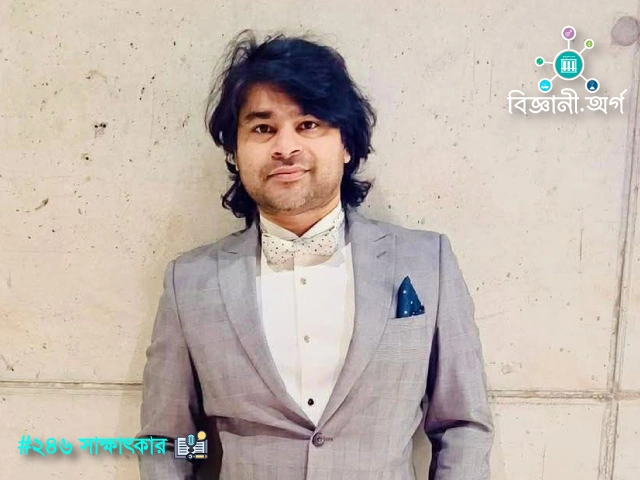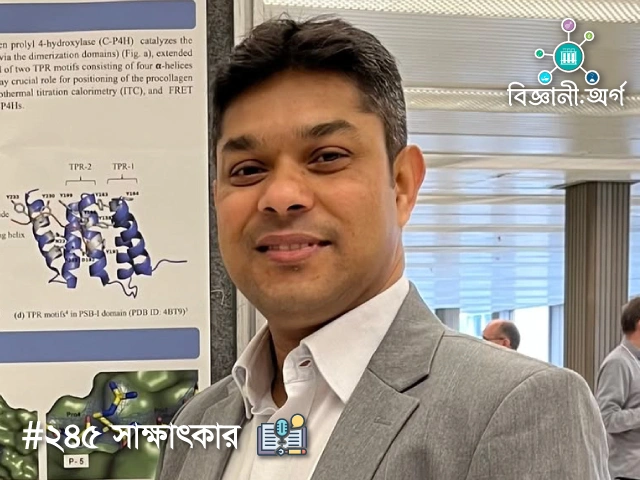
Recently, we interviewed Mohammad Safayet Hossain. He is currently working on his master’s thesis at Supergrid Institute, located in the city of Lyon, France. He studied Decentralized Smart Energy Systems, a joint program between KTH Royal Institute of Technology in Sweden and the University of Lorraine in France. In this interview, he discussed many important topics. Read his interview below:
First, we’d like to know a bit about you?
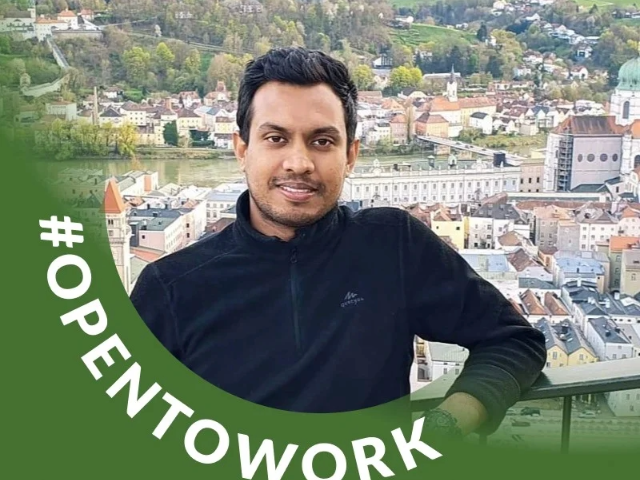
My name is Shafayet. I am currently working on my master’s thesis at the Supergrid Institute in Lyon, France. I studied Decentralized Smart Energy Systems in a joint program between KTH Royal Institute of Technology in Sweden and the University of Lorraine in France. My area of specialization is global energy market modeling and optimization from KTH.
Currently, I am designing a medium-voltage AC-DC converter that will help produce green hydrogen and can be connected with renewable energy sources. After finishing my master’s, I want to work in research and development (R&D), focusing on integrating renewable energy sources with the electricity grid.
What is your research topic?
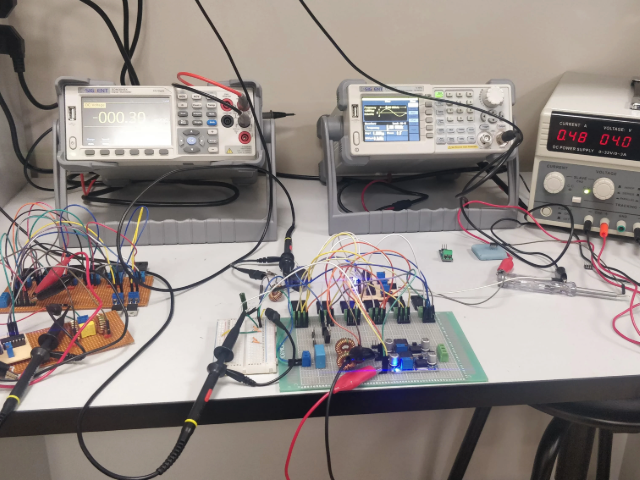
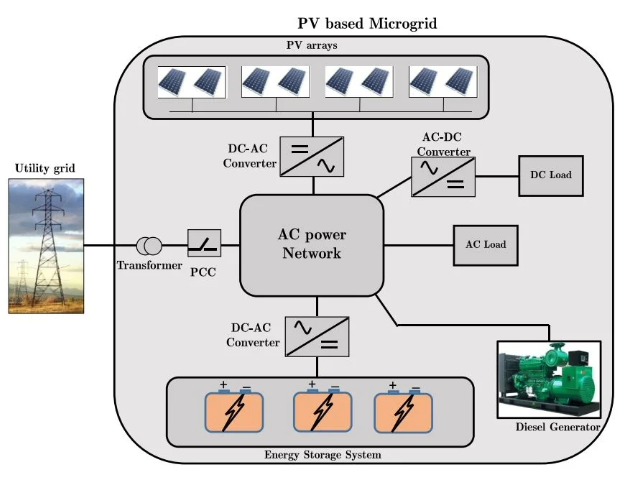
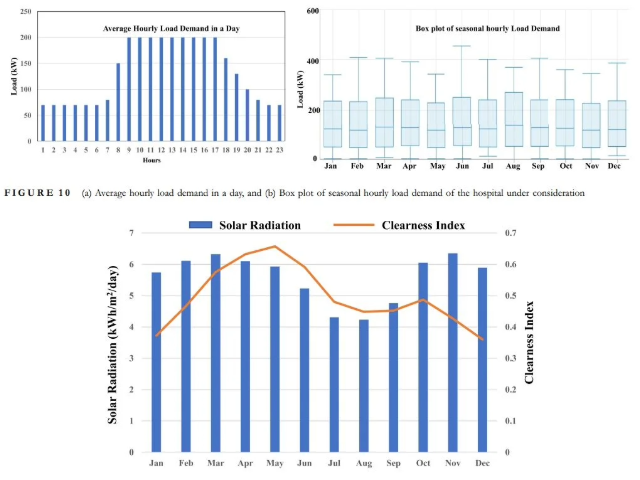
The main focus of my research is on how to integrate renewable energy sources such as solar and wind power into the electricity grid. These sources aren’t always active—since sunlight and wind fluctuate, their output also varies. When these uncertain sources are connected to the grid, certain challenges arise.
To solve these issues, it’s important to develop skills in designing and using power conversion devices like DC-DC converters and DC-AC inverters. A significant part of my research revolves around determining the proper size and functionality of these converters, which is quite a complex process.
Another important aspect is properly sizing and assessing the effectiveness of solar panels, energy storage, and generators in off-grid or microgrid systems. Since these systems are not connected to the main electricity grid, it’s essential to operate them efficiently and cost-effectively.
These two areas—designing power conversion devices and optimizing microgrids—are the main directions of my research on decentralized smart energy systems.
How can your research work benefit us?
My research can benefit society in many ways because it promotes a clean, reliable, and efficient energy system. By better integrating renewable energy like solar and wind into the electricity grid, it helps reduce dependence on fossil fuels, lowers carbon emissions, and aids in the fight against climate change.
Efficient management and control of these renewable sources, along with microgrid optimization, ensure a steady electricity supply even in remote or isolated areas. As a result, energy systems become more sustainable and robust, energy costs decrease, and our transition to sustainable and decentralized energy systems in both urban and rural areas becomes smoother.
What qualities do you think are important for a scientist?
To be successful as a scientist, a few key qualities are needed, such as:
- Punctuality: Time is of utmost importance for scientists. It’s crucial to complete every step of research on schedule, because delays can affect the outcomes. Also, adhering to project deadlines makes their work more organized.
- Patience: Scientists are often involved in long-term research and experiments that can be challenging and test their patience. They must deal with several failures and obstacles before reaching the right results. Without patience, overcoming these challenges becomes difficult.
- Mathematical Skills: Mathematical knowledge is essential for research and analysis. It is used to analyze research data, solve complex equations, and develop models, making mathematical skills indispensable for scientists.
- Coding Skills: In modern research, programming skills are necessary for data analysis, simulation, and automation. Scientists especially rely on programming languages like Python or MATLAB. Coding skills make the research process easier and more efficient.
- Ability to identify real and necessary problems: One of the most important skills for scientists is the ability to find the actual and essential problem. This makes research more fruitful, as identifying the right problem sets the path toward meaningful solutions.
Do you have any messages or advice for young students in Bangladesh who want to work in science?
To be a good researcher, developing a strong reading habit is essential. You don’t have to read everything, but you should expand your reading in your area of interest. Analyze what you read thoroughly from the start; this will make reading research papers easier later on. Also, it’s important to stay updated about ongoing research topics in your field.
Your Email : [email protected]
Your LinkedIn : https://www.linkedin.com/in/shafayethossain957/
Your website or research profile link : https://scholar.google.com/citations?user=_fLniNkAAAAJ&hl=en&oi=ao
On behalf of Biggani Org, we extend our heartfelt greetings and congratulations to Mohammad Safayet Hossain. He is an exceptional example for our young researchers. We wish him every success.