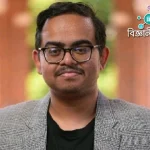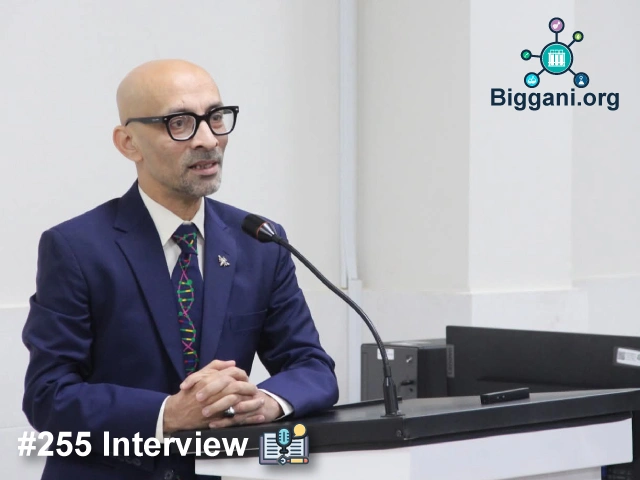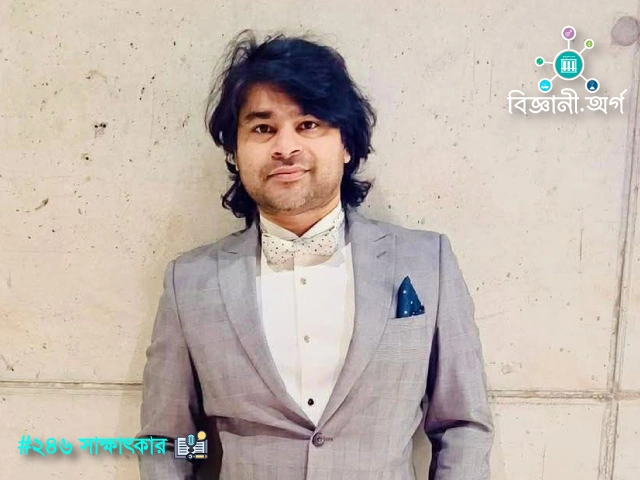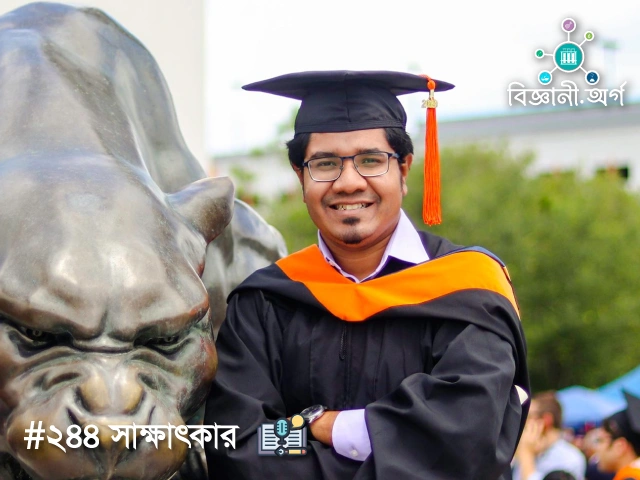
The name Nafew Azim is rapidly gaining recognition in the fields of science and technology in Bangladesh. Drawn to computers and technology from childhood, Nafew Azim has now completed his Bachelor’s in Computer Science and Engineering from North South University and is currently working at the Apurbo–NSU R&D Lab, where he is dedicated to research in Artificial Intelligence (AI), Machine Learning, and Deep Learning.
The main goal of his work is to develop technologies that provide effective solutions to real-life problems. He says, “The purpose of my research is to make artificial intelligence more accessible and efficient, so it can improve people’s everyday lives.” Nafew Azim’s aspiration is not only about technological excellence; his aim is to expand the horizons of innovation for the youth of Bangladesh.
Research Focus: Dialogue Between Machines, Language, and Information
One of the main areas of Nafew Azim’s research is Large Language Models (LLM). Simply put, these are computer programs that can understand the meaning of written or spoken words, answer questions, and even generate new text—much like how ChatGPT functions. He is working on further improving this technology through Automated Prompt Design. With this, machines themselves can make their learning processes more effective and advanced.
Additionally, Nafew is working on solving real-world problems using multilingual language processing (Multilingual NLP) and text-image-based (Multimodal) information. For example, this technology can be used for disease detection or analyzing large volumes of data. In other words, computers will not only collect information but also be able to understand, think, and make decisions like humans.
The Human Impact of Research
Nafew Azim’s research is not limited to technological excellence alone. He believes his work can make people’s lives easier, faster, and more efficient. “If the technology from my research is used in education, healthcare, and daily life, it will be able to create real solutions for people,” he explains. For example, in hospitals, analyzing patient data for quick disease detection or developing customized learning materials based on a student’s abilities in education would be possible.
This humanitarian aspect of research is the most important to Nafew. He believes that technology is truly successful only when it makes life easier and solves problems for people.
Patience and Perseverance: The Reality of a Researcher’s Life
The path of any research is not easy. In Nafew’s words, “There was a time in one research project when I failed repeatedly, but I kept working patiently and, in the end, succeeded. That experience taught me—patience and perseverance are the greatest strengths in research.”
He believes that the most important qualities of a successful scientist are curiosity, patience, logical thinking, creativity, honesty, and collaboration. Not just technical skills, but these mental qualities help one reach the pinnacle of success.
A Message for the Youth
Nafew’s message is clear and inspiring for students in Bangladesh who aspire to become scientists. He says, “Don’t be afraid to ask questions. Curiosity is your greatest strength. Learn attentively, keep trying, and one day you too will discover something new.”
His message is not just for technology research; it is a reminder of the importance of creativity, perseverance, and patience in all aspects of life.
New Possibilities in Bangladesh’s Science Sphere
The impact of Nafew Azim’s research and innovative work is not confined to his own institution. It has opened new doors of possibilities in Bangladesh’s science and technology sector. He stands as living proof for the youth that world-class research is possible in the country too—with the right guidance, perseverance, and innovative thinking.
The core message of his research is—Bangladeshi youth themselves are the driving force behind tomorrow’s technological progress. If local talent is nurtured with proper training and patience, it can find its place on the world stage.
Conclusion: A Story of Inspiration
The story of Nafew Azim’s life and research teaches us that the journey of research is never easy, but with patience, innovation, and humanitarian purpose, it can succeed. He is not only a technology innovator but also a source of inspiration for the younger generation. His work and vision are unlocking new horizons in Bangladesh’s scientific community and serving as guidance for the country’s future technologists and researchers.
Nafew’s story reminds us that every young Bangladeshi holds the potential to discover something new. Only patience, perseverance, and curiosity can turn that potential into reality.
📞 Contact Information
📧 Email: [email protected]
🔗 LinkedIn: http://www.linkedin.com/in/nafew-azim
Nafew Azim: A Young Bangladeshi Scientist Shaping the Future of Artificial Intelligence
In the evolving world of technology, a new generation of Bangladeshi scientists is emerging—curious, creative, and determined to solve real-world problems through research and innovation. Among them stands Nafew Azim, a young researcher who believes that artificial intelligence (AI) can transform the way humans live, learn, and make decisions.
Currently working at Apurbo–NSU R&D Lab, Nafew completed his BSc in Computer Science and Engineering from North South University. His work focuses on developing intelligent systems that can understand human language and reasoning—systems that don’t just follow instructions, but actually “learn” and “think” like humans.
“My goal is to make AI more accessible and effective, so that it can contribute to solving real-life problems,” Nafew explains. “I want to help build technologies that not only process data but also truly understand human context.”
Research Focus: Teaching Machines to Understand Us
Nafew’s research centers on Large Language Models (LLMs)—advanced AI systems that can comprehend, generate, and interact in human language. Simply put, an LLM is a computer program that can read and write like a person. Tools like ChatGPT are well-known examples of such systems.
But Nafew’s work goes deeper. He is exploring Automated Prompt Design, an emerging area of research that enables AI systems to improve their own learning methods automatically. In other words, he’s working on ways to make AI teach itself better.
Alongside this, he is also involved in Multilingual Natural Language Processing (NLP) and Multimodal learning, where AI integrates text and image data to solve practical problems. His projects include tasks like disease detection, data interpretation, and cross-language communication.
“Imagine a computer that can look at a medical report and an X-ray image, understand both, and then give a probable diagnosis,” Nafew says. “That’s the kind of intelligence we’re working toward.”
Making AI Work for People
While the technical side of Nafew’s work is deeply complex, his motivation is rooted in human benefit. He envisions a future where AI systems are not just powerful, but also helpful, ethical, and inclusive.
He believes his research can play a transformative role in education, healthcare, and everyday problem-solving. For instance, in education, AI could tailor learning materials to each student’s pace and ability. In healthcare, it could analyze thousands of patient records in seconds to detect disease patterns that even expert doctors might miss.
“Technology is truly meaningful only when it makes human life better,” Nafew reflects. “That’s what drives my work every day.”
Failure, Patience, and the Spirit of Discovery
Behind every scientific breakthrough lies a story of failure and perseverance. Nafew knows this reality well.
“There was a research project where I failed repeatedly,” he recalls. “But I kept going, trying again and again—and eventually, it succeeded. That experience taught me that patience and persistence are a scientist’s greatest strengths.”
To him, scientific excellence is not just about intelligence or skill. It’s also about curiosity, logic, creativity, honesty, and teamwork—the qualities that keep a researcher grounded even when results are uncertain.
A Message for Young Scientists in Bangladesh
When asked what advice he would give to young students in Bangladesh who dream of becoming scientists, Nafew’s words are simple yet powerful:
“Don’t be afraid to ask questions. Curiosity is your greatest strength. Learn with passion, keep trying, and one day you will discover something new.”
His message resonates deeply in a country where many talented young minds aspire to make an impact but often lack mentorship or confidence. Nafew’s journey shows that meaningful research is possible right here in Bangladesh—with dedication, teamwork, and a willingness to explore.
A New Generation of Bangladeshi Innovators
Nafew Azim represents a new wave of scientists who are positioning Bangladesh as an emerging hub for AI research. Through his work at Apurbo–NSU R&D Lab, he demonstrates that innovation is not bound by geography—it can thrive wherever curiosity meets opportunity.
By focusing on real-world applications of artificial intelligence, he is helping bridge the gap between academic research and social impact. His story is a reminder that Bangladesh’s young scientists are ready to take part in the global dialogue on technology and ethics—building systems that reflect both intelligence and humanity.
Conclusion: The Power of Curiosity
Nafew Azim’s journey—from a passionate computer science student to a researcher shaping the future of AI—embodies the spirit of scientific discovery. His story reminds us that progress doesn’t happen overnight; it takes patience, creativity, and courage to keep learning, even through failure.
In a world increasingly driven by technology, Bangladesh needs voices like his—young innovators who not only understand how machines learn but also care deeply about how those machines serve people.
Through his work and vision, Nafew stands as an inspiration to the nation’s youth—a reminder that the next great discovery might just begin with one curious question, asked by someone who dares to imagine a smarter, fairer, and more connected world.
📞 Contact information
📧 Email: [email protected]
🔗 LinkedIn: http://www.linkedin.com/in/nafew-azim