


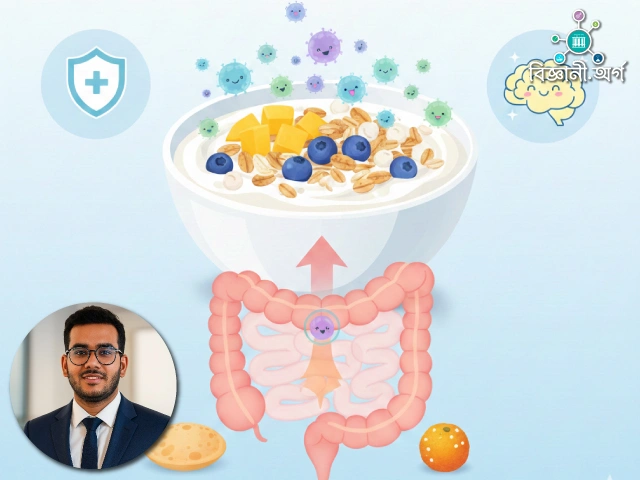
What are Probiotics and Prebiotics?
Probiotics are naturally occurring beneficial live bacteria found in yogurt and some cultured foods. They help maintain a healthy balance of good and bad bacteria in the gut, which keeps the digestive system healthy and boosts immunity. Prebiotics, on the other hand, are types of dietary fibers or ingredients that act as “food” for these probiotic bacteria. Simply put, probiotics are the beneficial bacteria themselves, and prebiotics are the nutrients that help them grow.
Health Benefits of Yogurt Probiotics:
Consuming the probiotic bacteria in yogurt (such as Lactobacillus, Bifidobacteria) regularly provides several important health benefits. The main benefits include:
- Aids Digestion: The probiotics in yogurt assist digestion. Research has shown that they help maintain the balance of natural bacteria in the gut. As a result, issues like bloating, indigestion, constipation, or diarrhea are alleviated. For example, a study found that taking probiotics increased bowel function, reduced gastric transit time by 12.4 hours, and helped increase the number of weekly bowel movements as well as producing softer stools. Thus, regular yogurt consumption helps keep the gut clean and reduces digestive problems.
- Boosts Immunity: The probiotics in yogurt work to strengthen the body’s immune system. Many studies have shown that taking probiotics enables the body to fight better against common colds, coughs, or viral infections. According to a Mayo Clinic report, regular probiotic intake lowers the risk of catching colds, coughs, and flu-like infections and, if infected, also reduces the severity and duration of symptoms. In addition, the calcium, vitamin B, and vitamin D in yogurt further strengthen the immune system.
- Supports Mental Health: The good bacteria in the gut are directly linked to the brain (known as the “gut-brain axis”). Recent research has found that a higher number of good bacteria can reduce symptoms of depression and anxiety. In other words, a healthy gut helps improve mental well-being and mood. Some studies have indicated that regular probiotic intake may reduce depression and anxiety. Thus, probiotic-rich foods like yogurt can be helpful in supporting mental health.
- Improves Skin Health and Controls Skin Diseases: Healthy gut bacteria are also related to the condition of the skin. Studies have shown that probiotics can help improve various skin issues by reducing inflammation in the gut and supporting the immune system. For instance, multiple studies have observed that taking probiotics reduces the risk and severity of eczema (skin irritation and itching). This is because good bacteria control inflammation and boost the skin’s defense mechanisms. As a result, regular yogurt consumption may benefit the skin as well, reducing issues like eczema and inflammatory skin conditions.
In summary, the probiotics and prebiotics in yogurt play a vital role in gut health, immunity, mental well-being, and skin care. The live beneficial bacteria in yogurt help reduce digestive problems and keep the body healthy. Therefore, including moderate amounts of yogurt or other fermented foods in your daily diet can yield significant health benefits. However, always remember that moderation is key; overconsumption of any food can lead to problems instead of benefits. According to trusted sources and research, using both probiotics and prebiotics together as part of a balanced diet helps ensure a healthier life.
References:
Information derived from health research on yogurt and probiotics and publications of the World Health Organization.
Md. Fahad Husain
Student, Department of Zoology
Shahid Bulbul Government College, Pabna.









Too much informative….♥️
Thank you.